Aesculus hippocastanum
Information about horse chestnut trees can be found on Wikipedia and from the Woodland Trust.
Vicarage Road
As you come in to the park, from the entrance on the corner of Avenue Road and Vicarage Road, this particular Horse chestnut is just off the right hand side of the path.
Grange Road
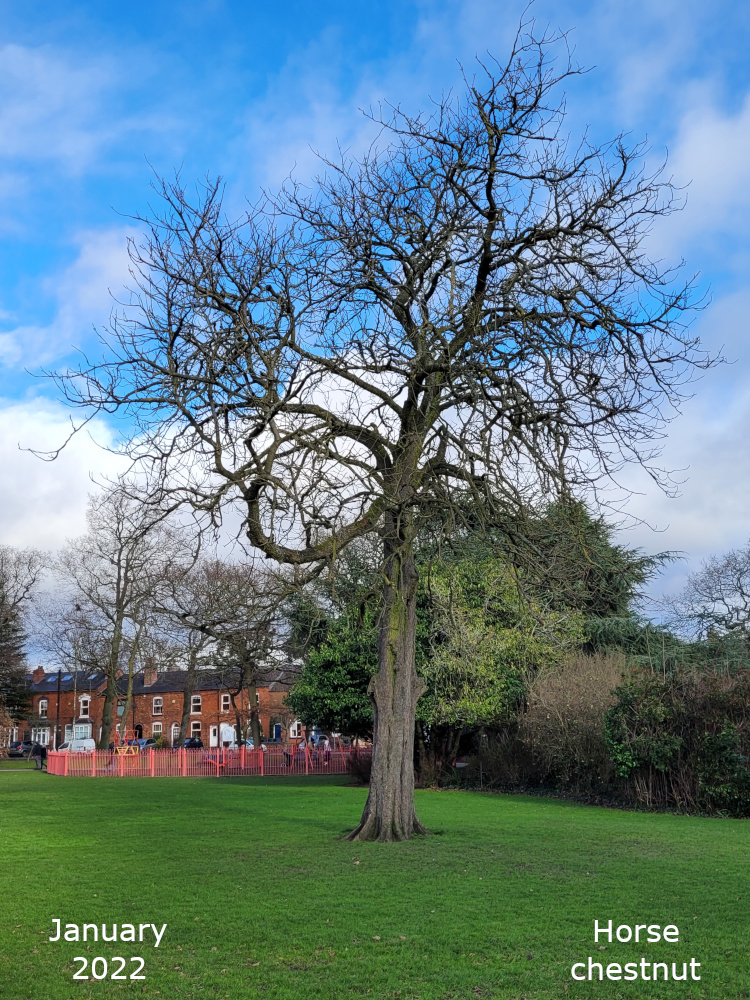
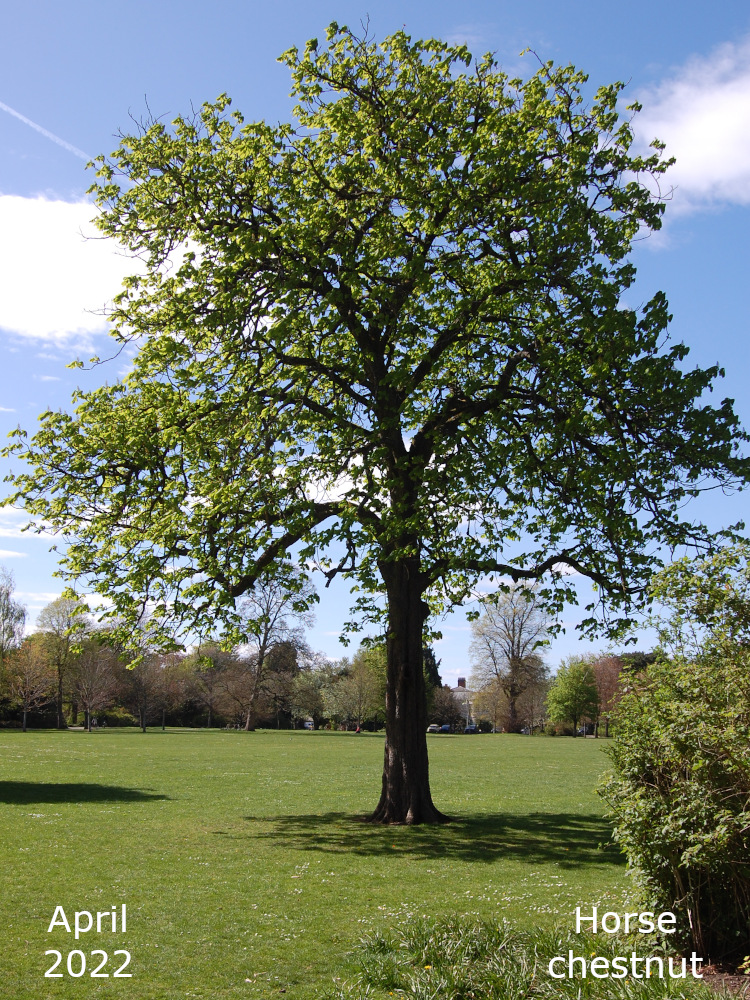
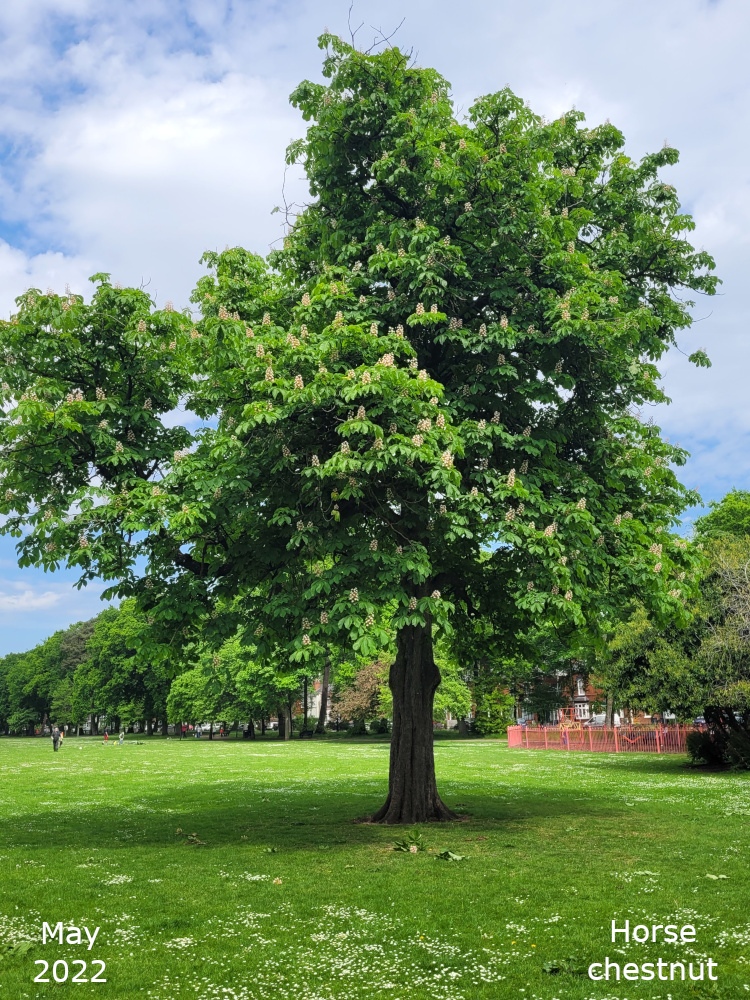
As you walk into the park from Grange Road and you get level with the small path from the car park, there will be a large tree on your right, just off the path. It will be on the left if you are walking from the bowling green. It is a Horse chestnut.
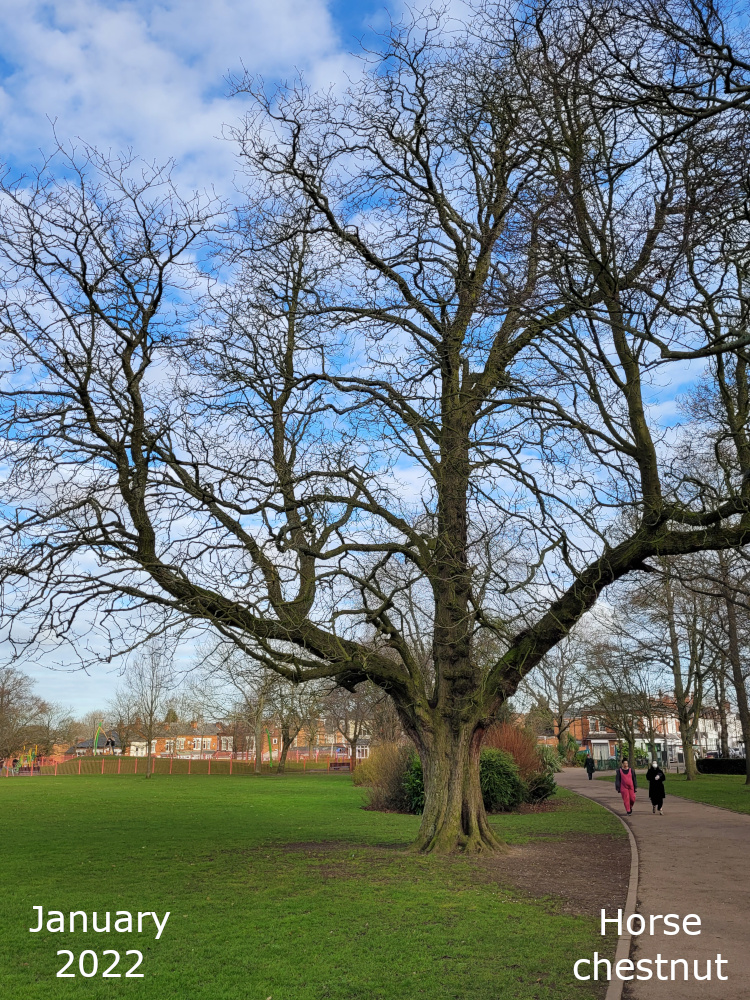
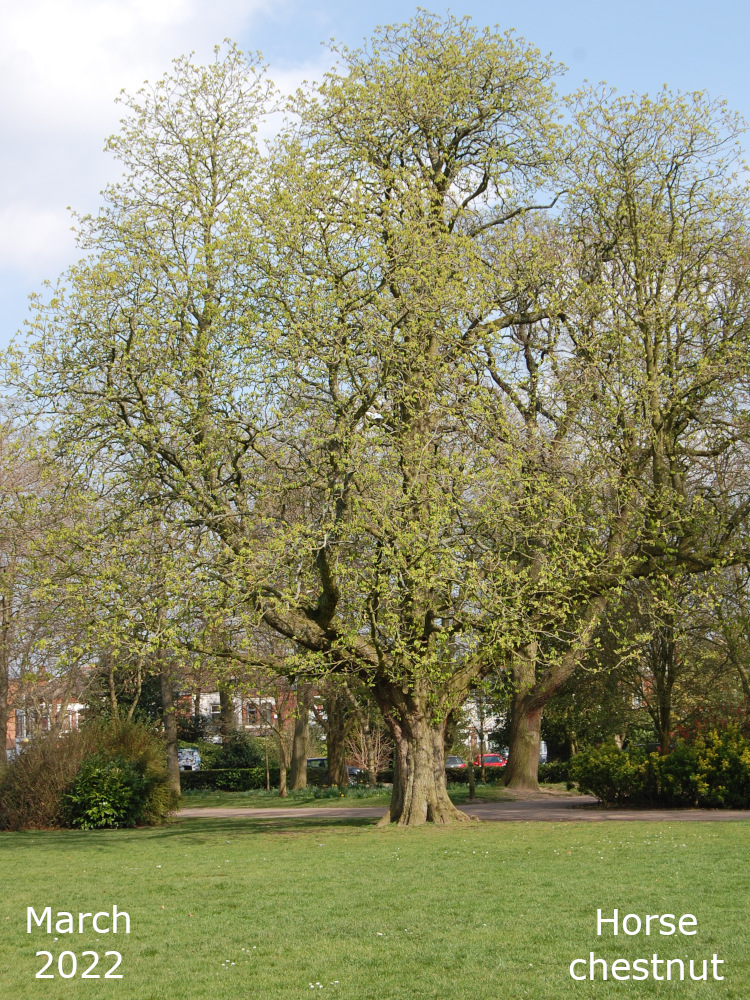
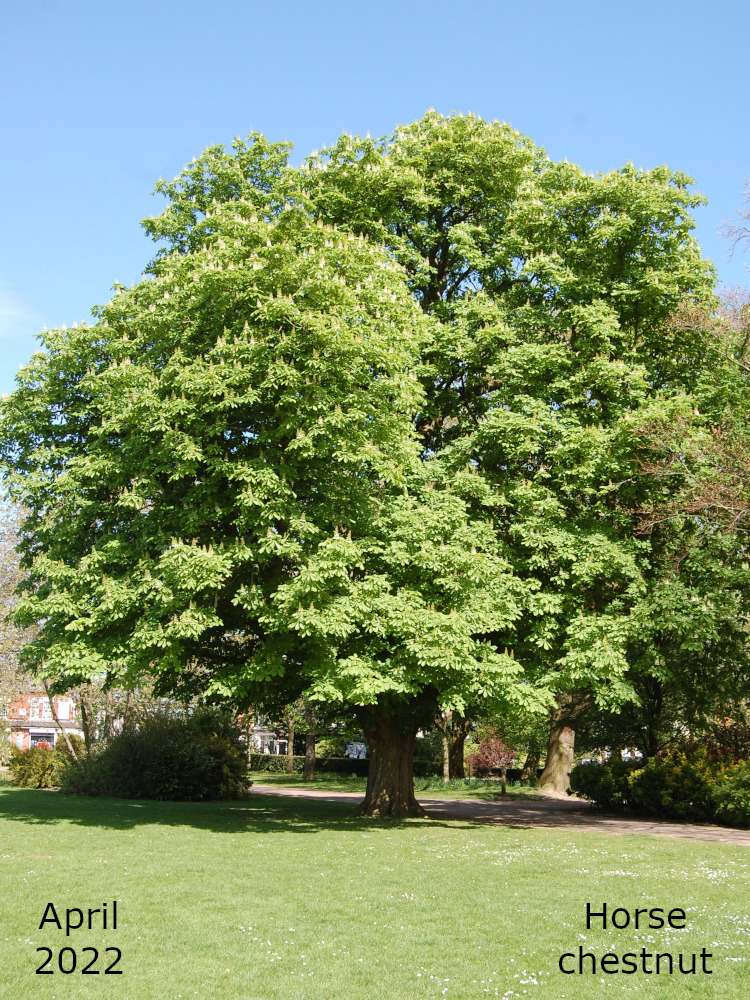
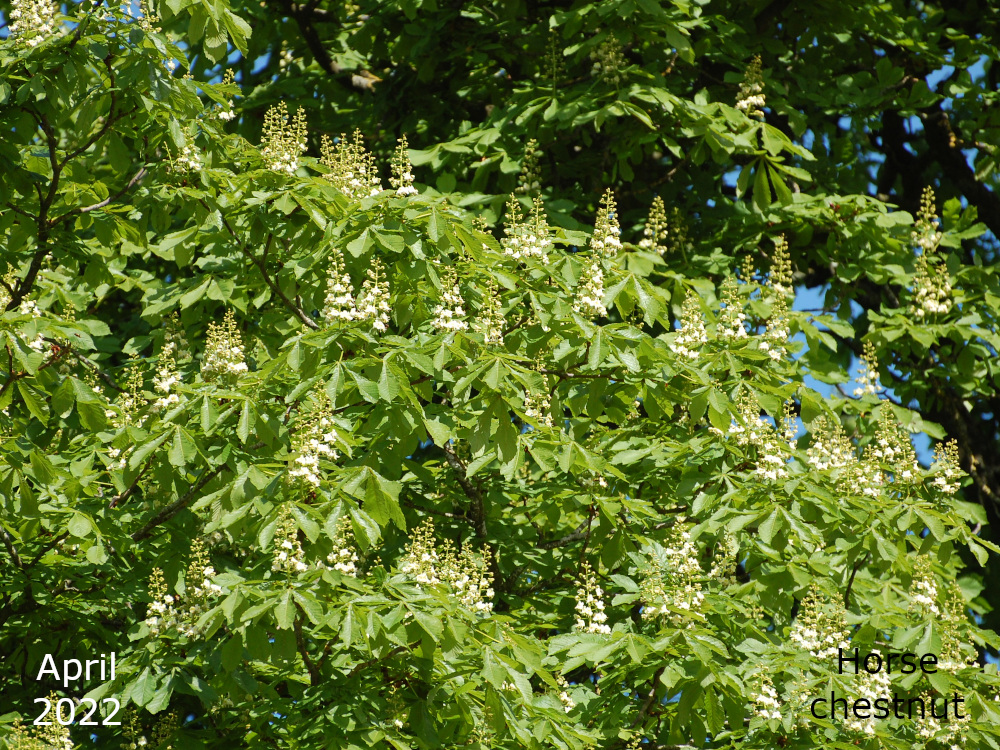
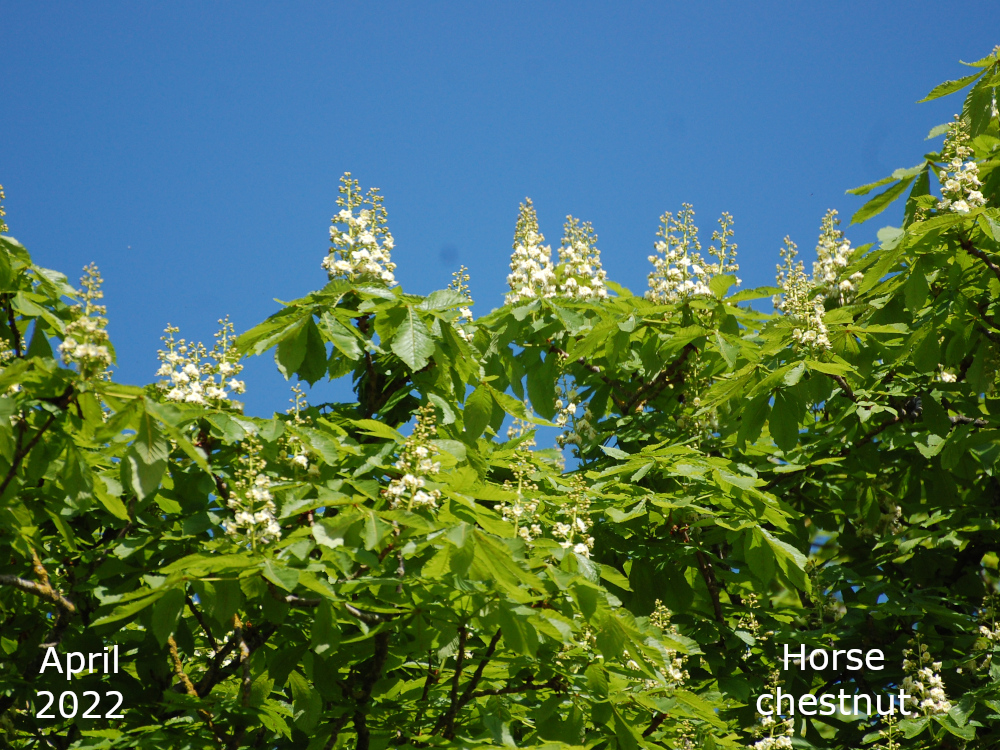
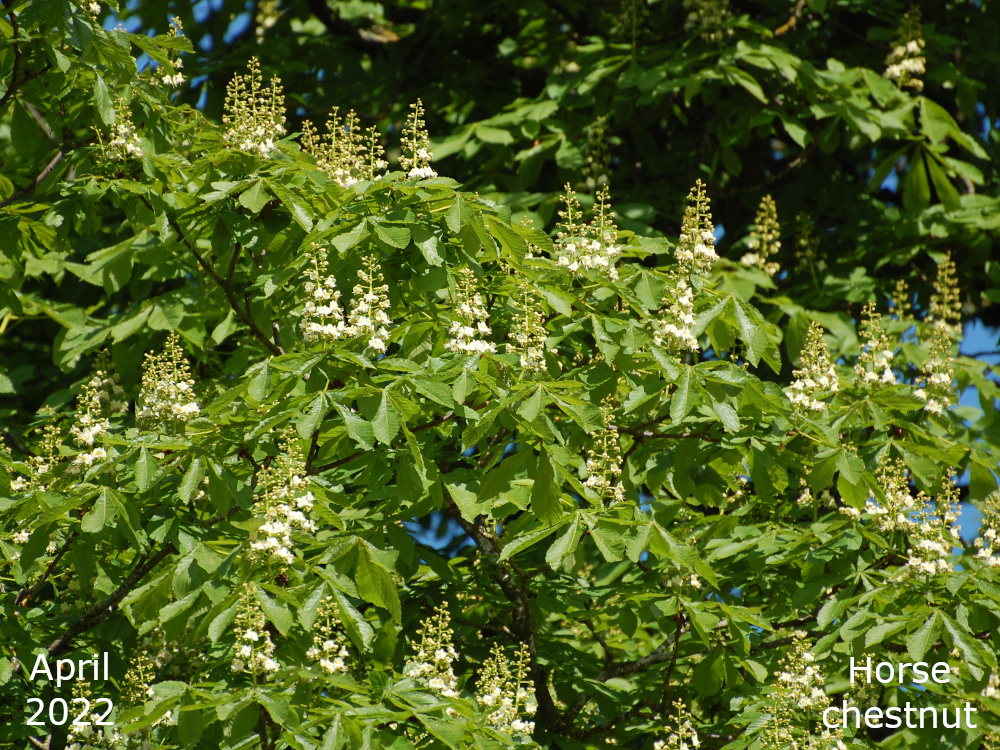
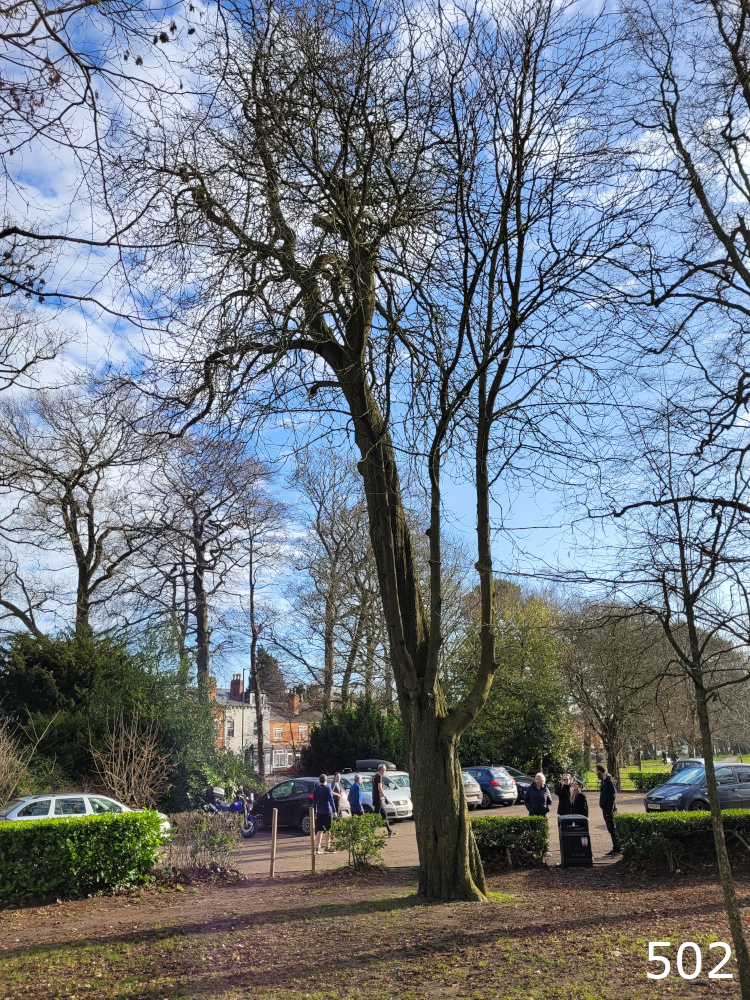
There is a group of trees along the hedge to the car park by the Grange Road entrance. This Horse chestnut is on the left of that group as you look into the car park.
Avenue Road
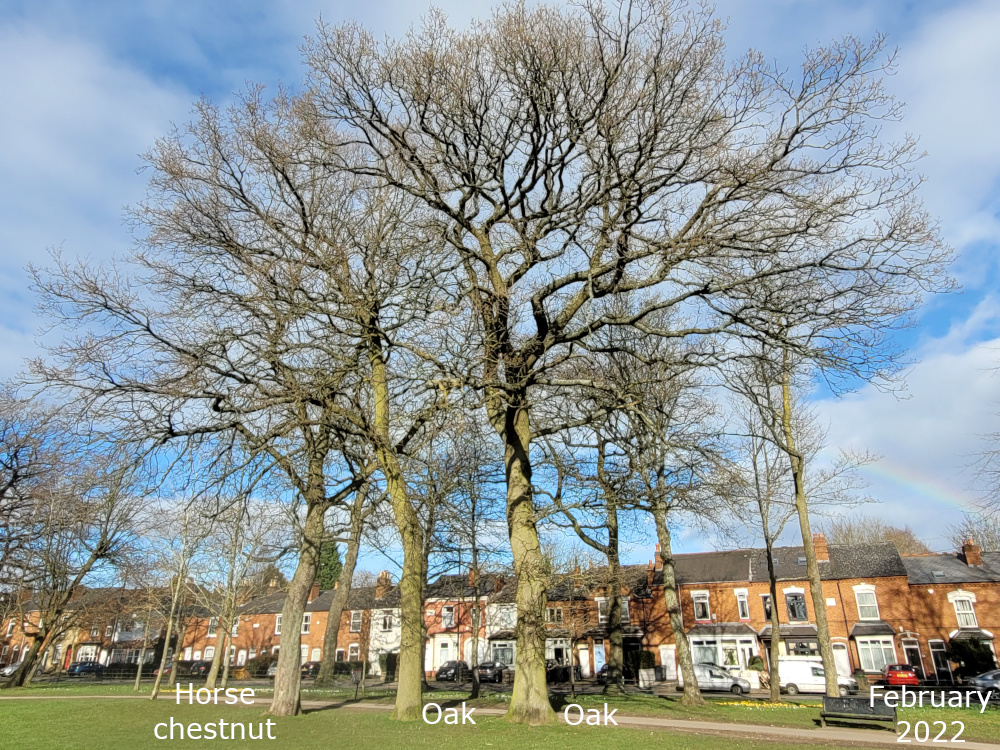
There is a group of three trees about half way along the path that runs parallel with Avenue Road, on the left. Two of them are Oaks but the third one is a Horse chestnut. Their canopies are merged together but the conker tree stands out from the oaks especially when it produces the tall white spikes of flowers in Spring.
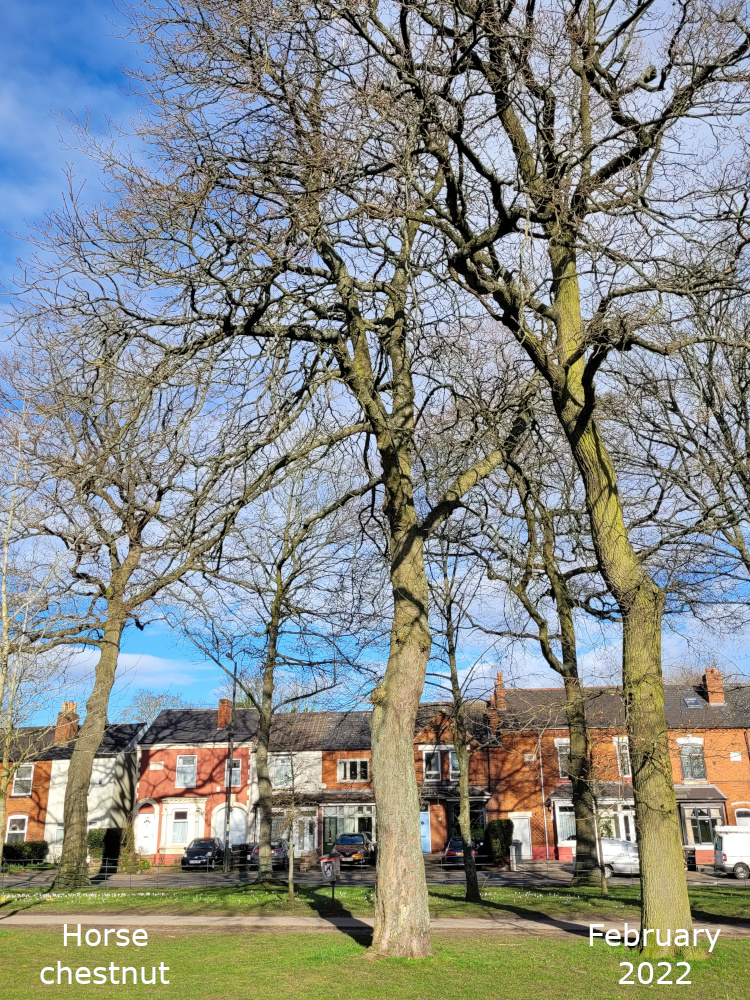

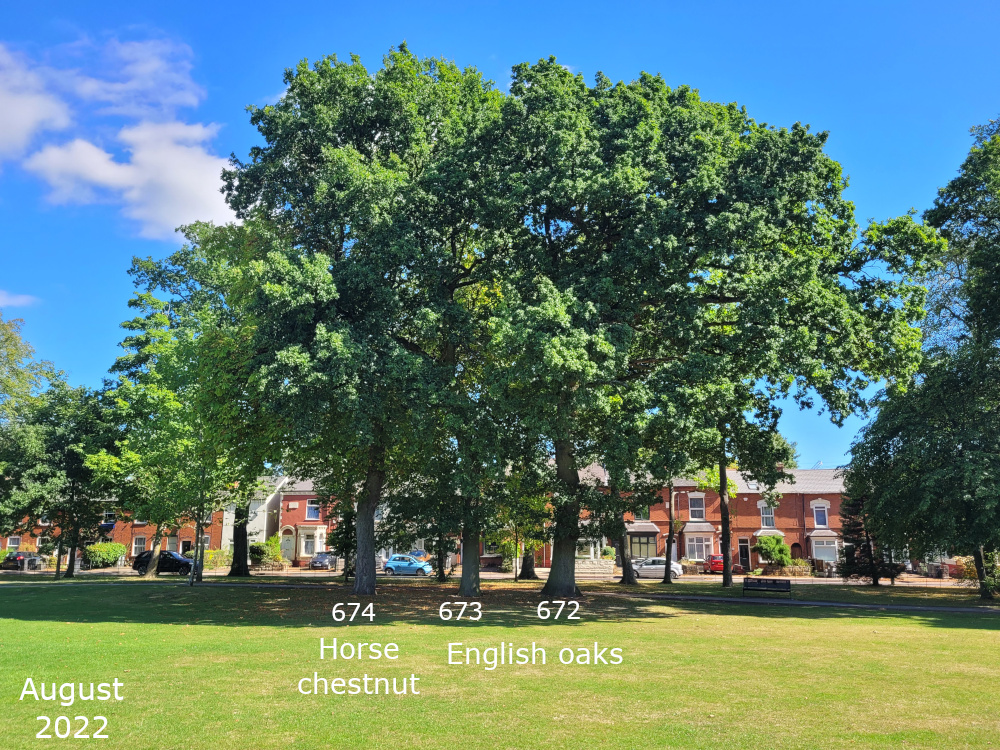
Monster tree
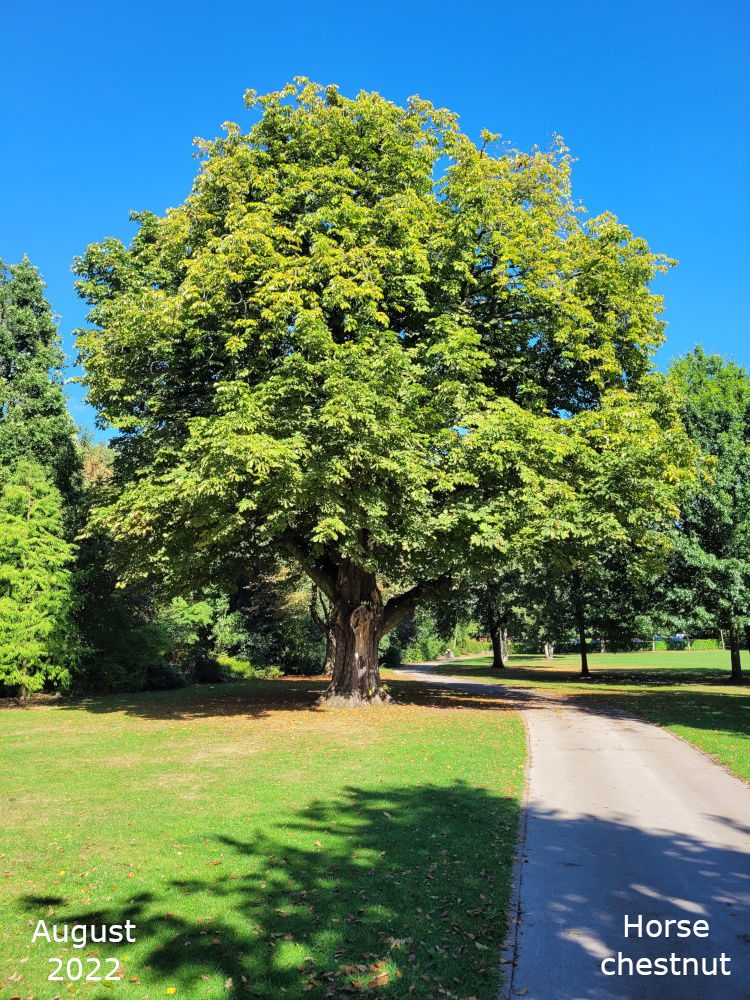
This is a monster of a tree in the most friendly of terms, it’s just enormous and it has already lost a couple of huge limbs, one of which came crashing down about ten years ago. I had an email from a lady who remembered a large Horse chestnut tree, when she was a schoolgirl in the fifties. They called it the ‘umbrella’ tree because they used to shelter under it. She had wondered if the stump by the large Sycamore was the umbrella tree. I wondered if it could, in fact, have been this large tree. The Friends of Kings Heath park certainly use it as a focal point for organising some events.
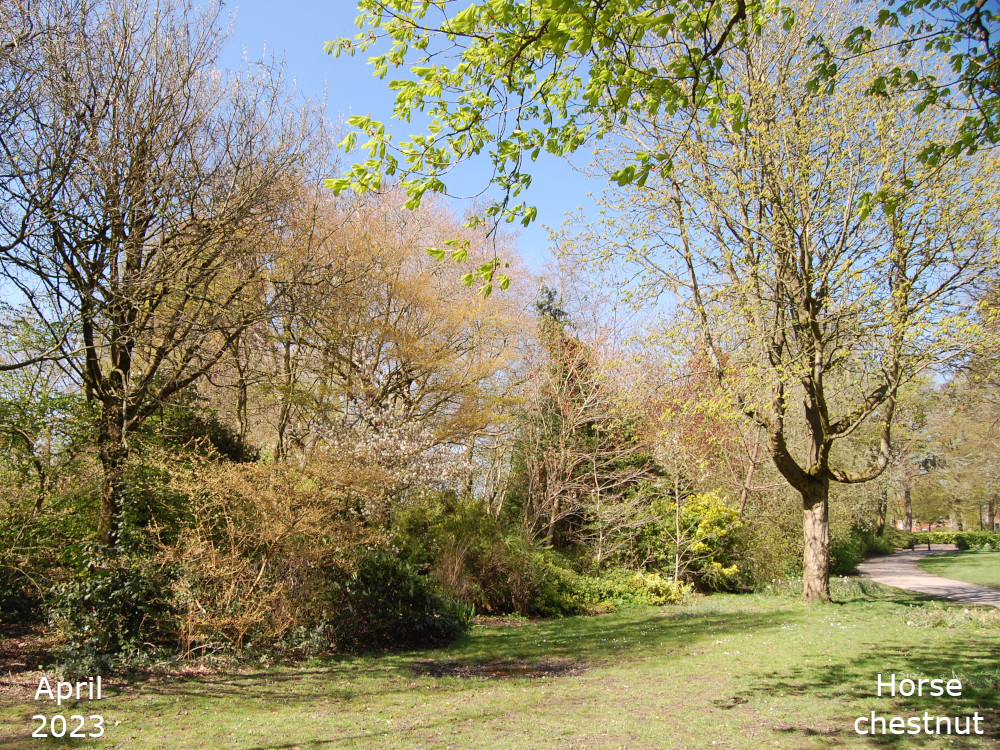
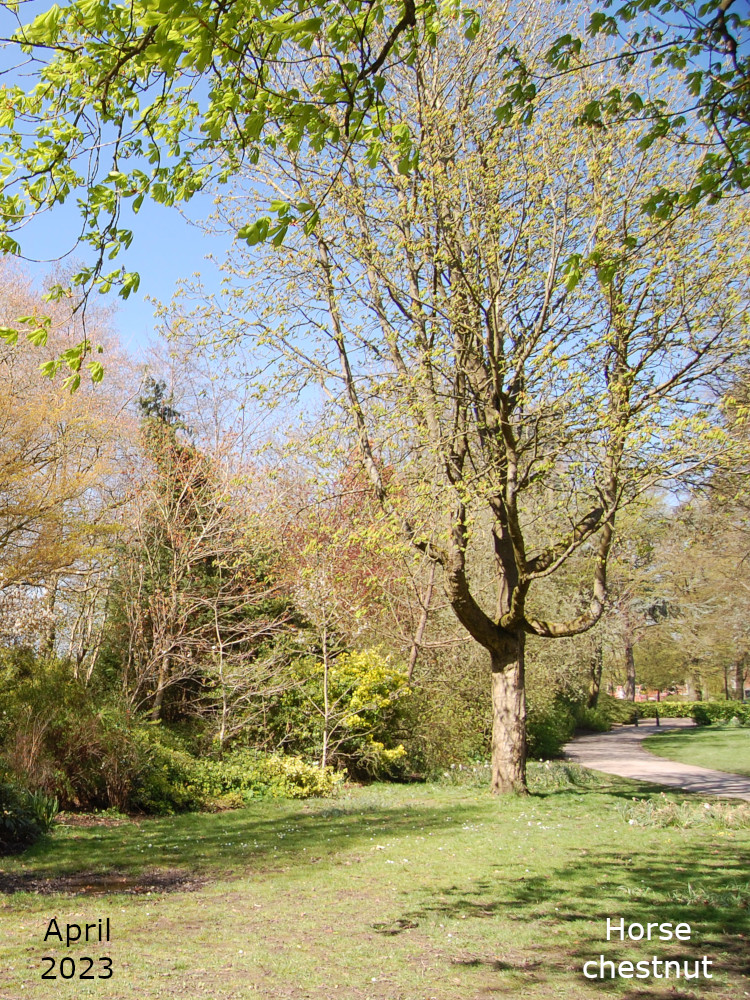
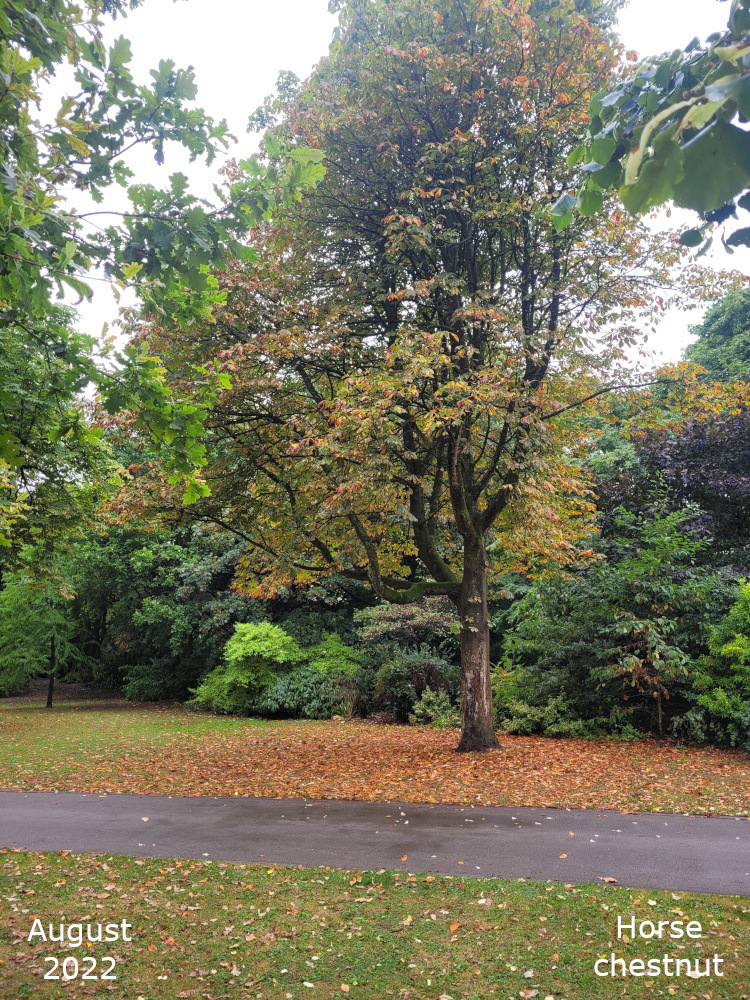
There is another, smaller, Horse chestnut alongside this one and the photos in the slideshow show how it was badly affected by last summer’s drought.
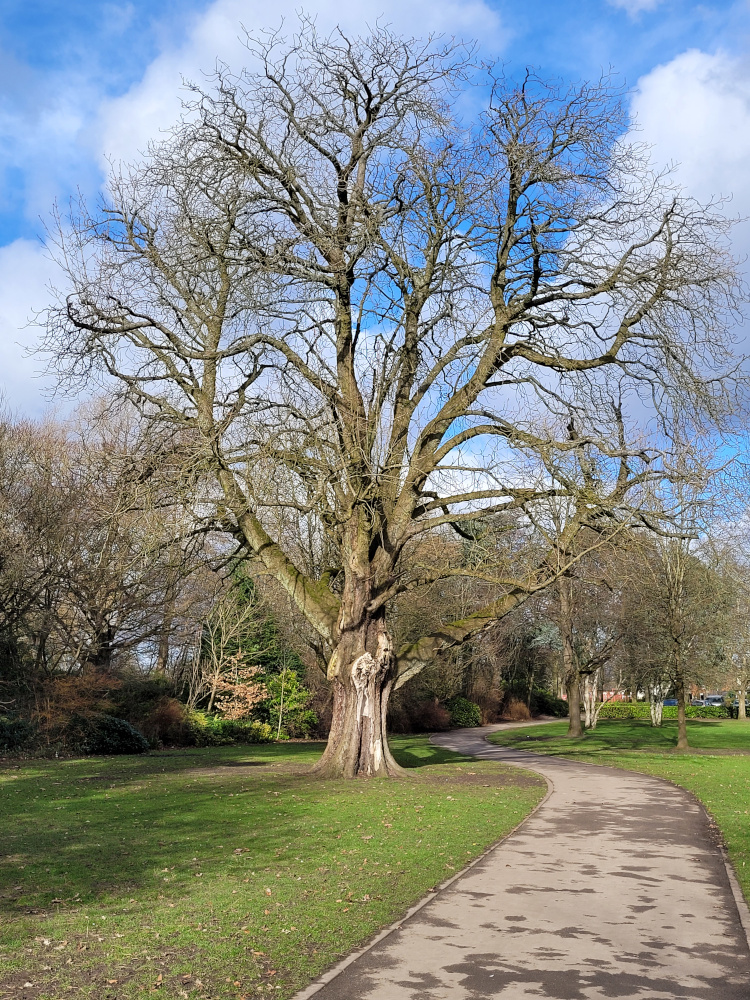

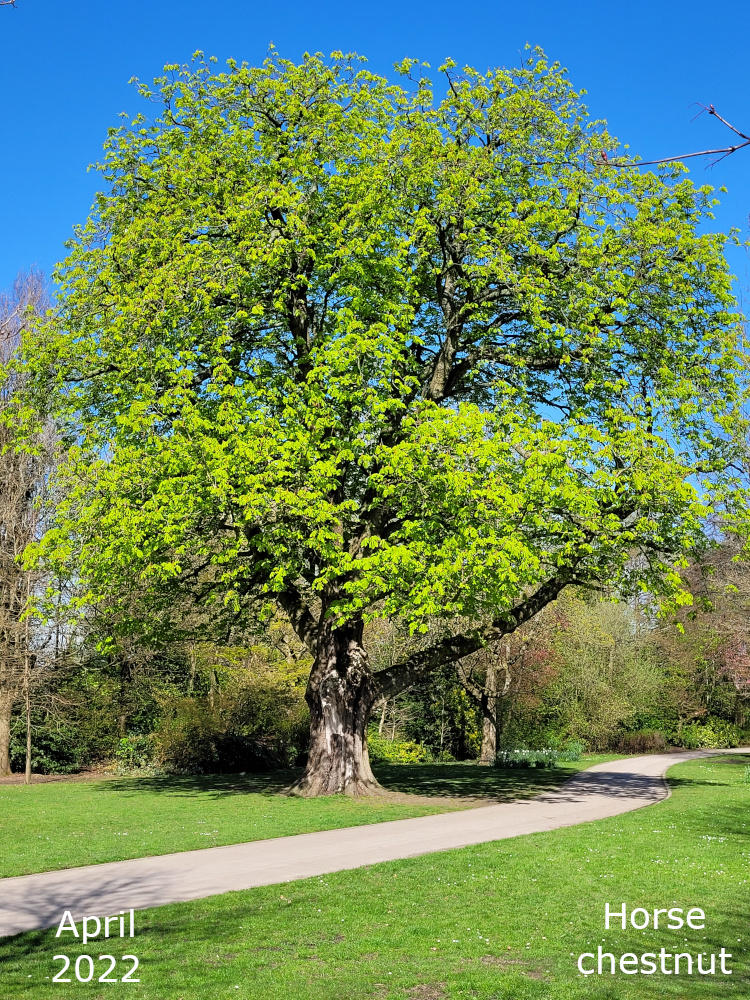
Main field
As you walk from the Vicarage Road vehicle entrance towards the Grange road car park and you pass the triangular area of grass, about half way along, on the opposite side of the path there is a conker tree. This Horse chestnut is next to a Tibetan whitebeam and on the opposite side of the path to a crab apple.
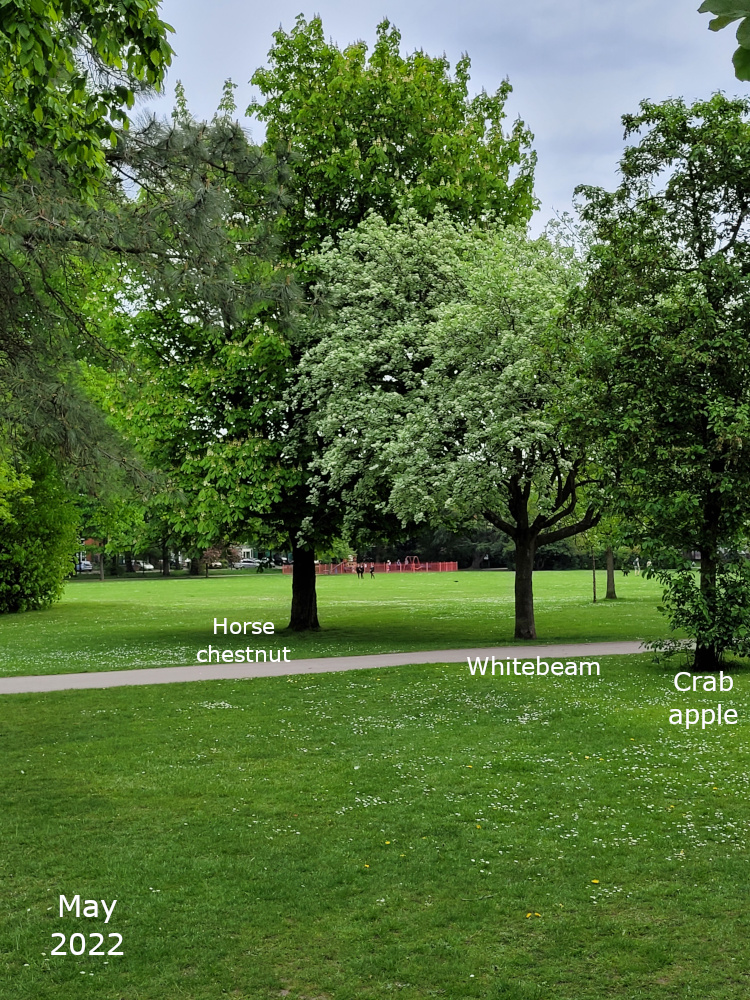
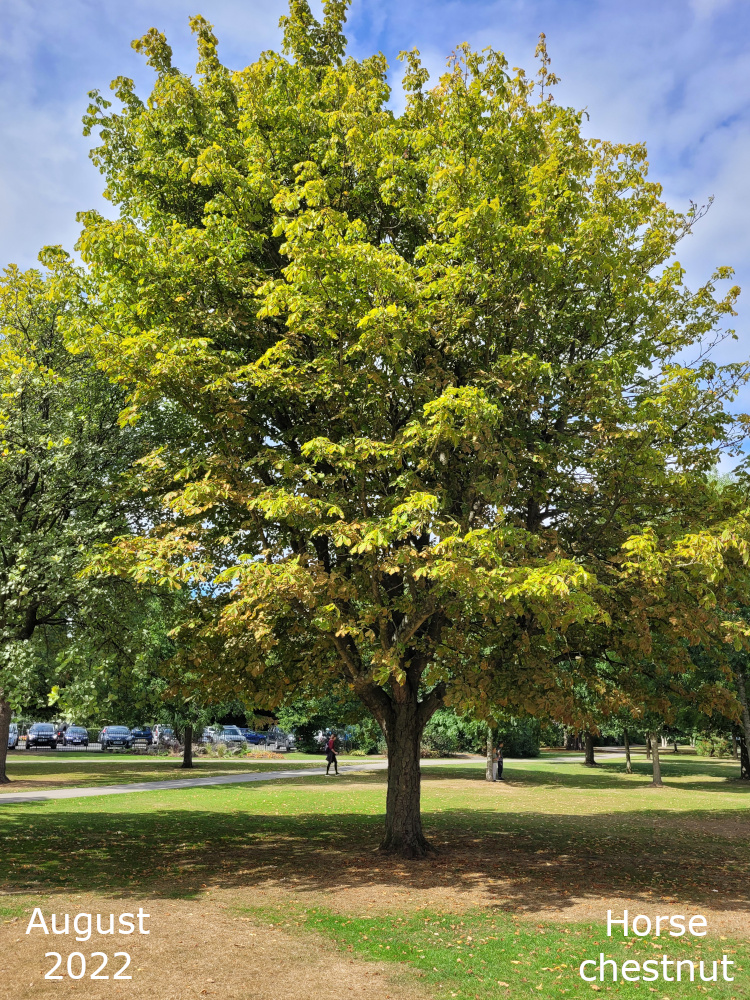
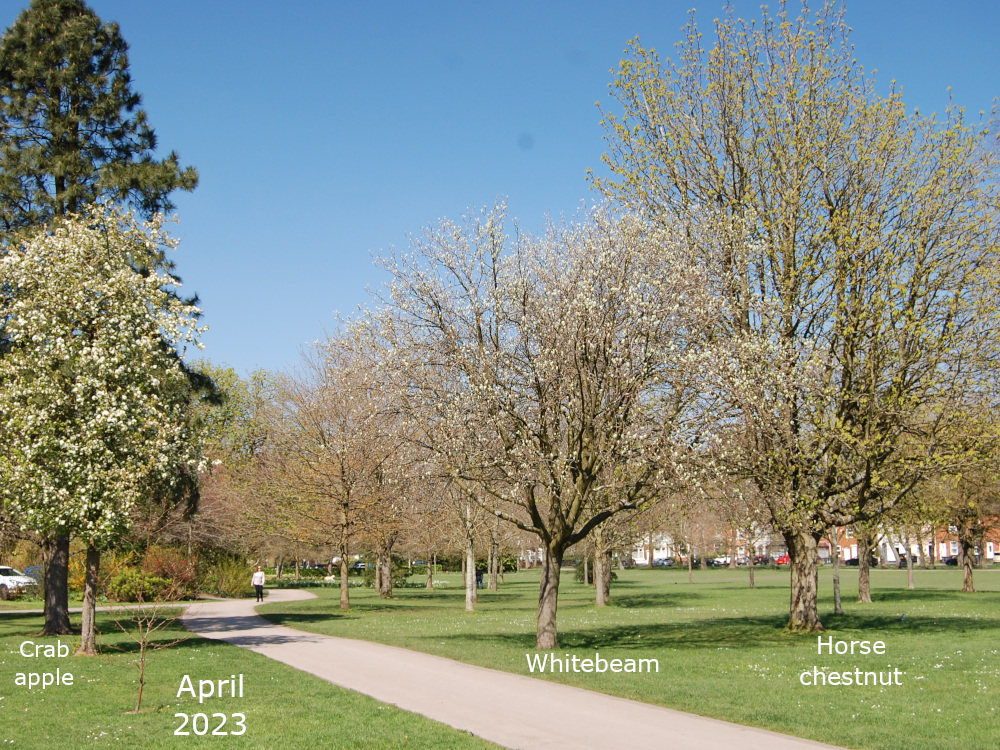
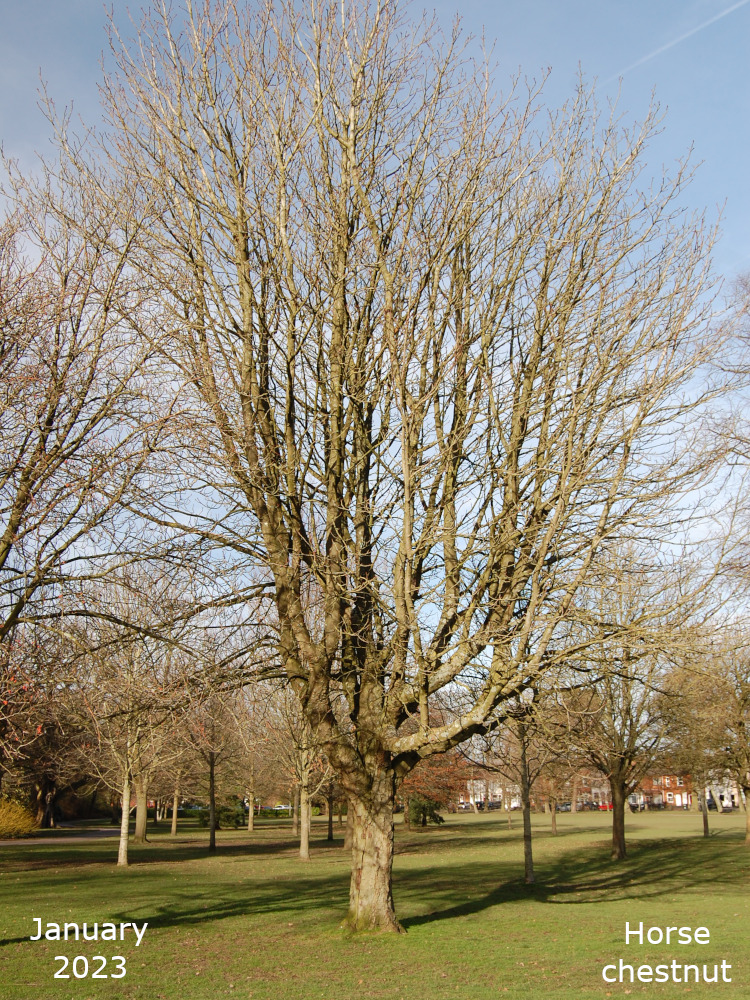
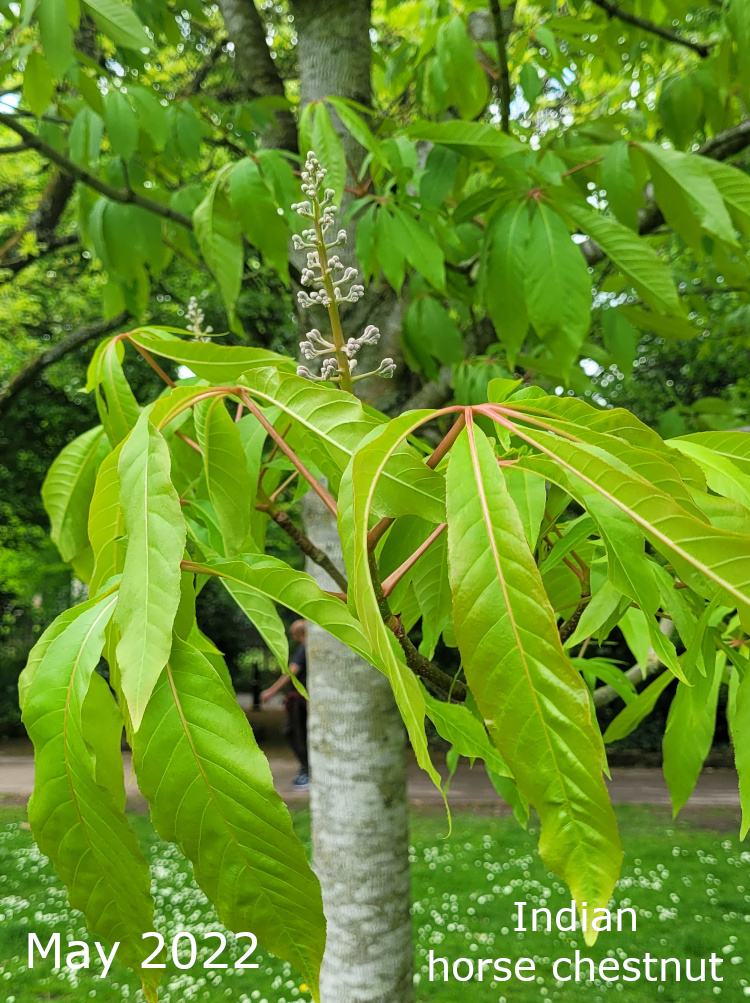
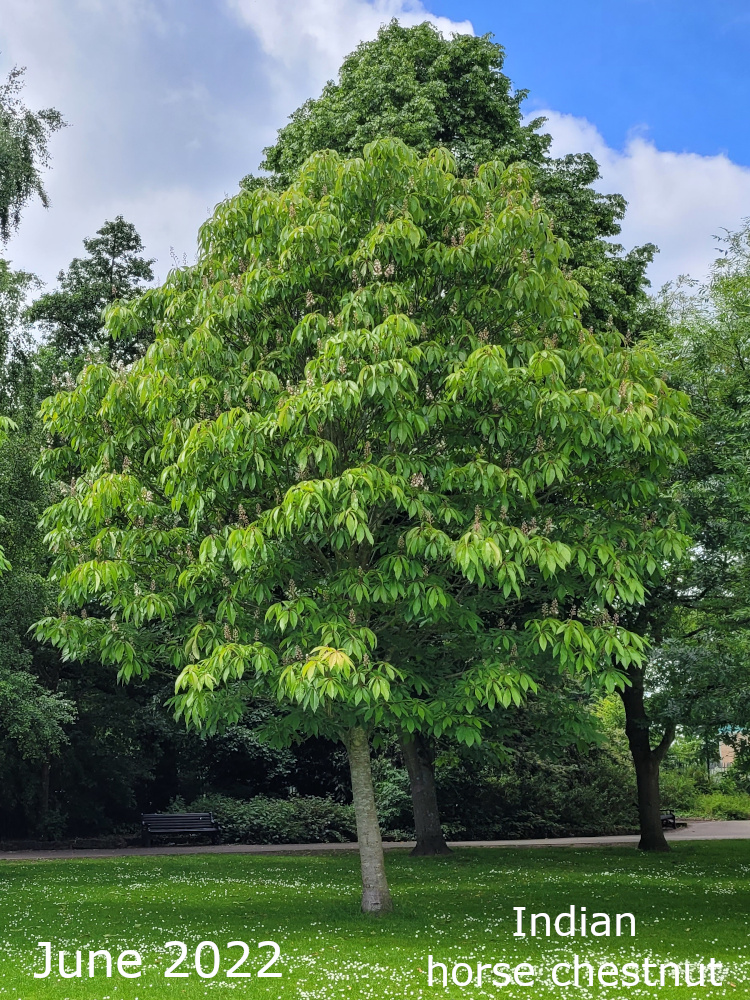
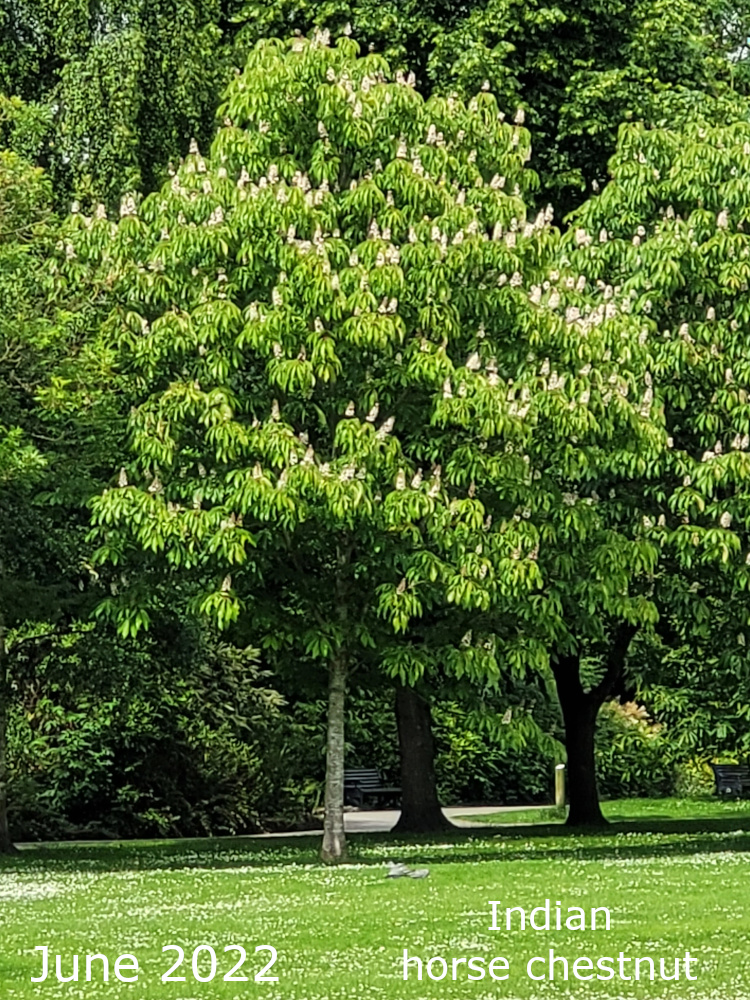
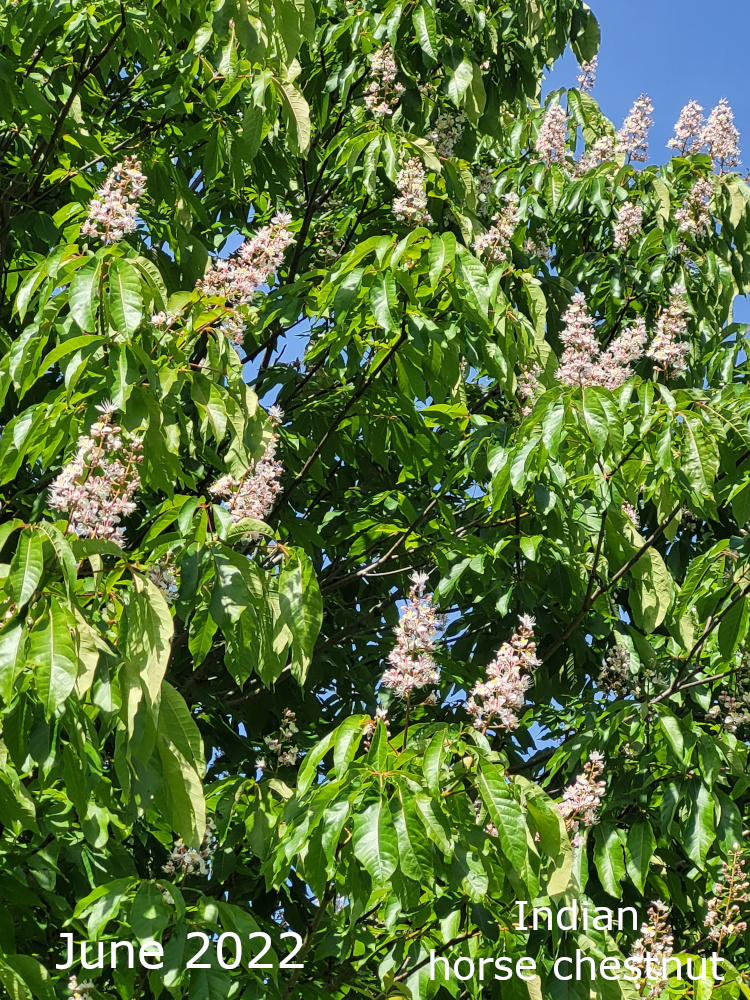
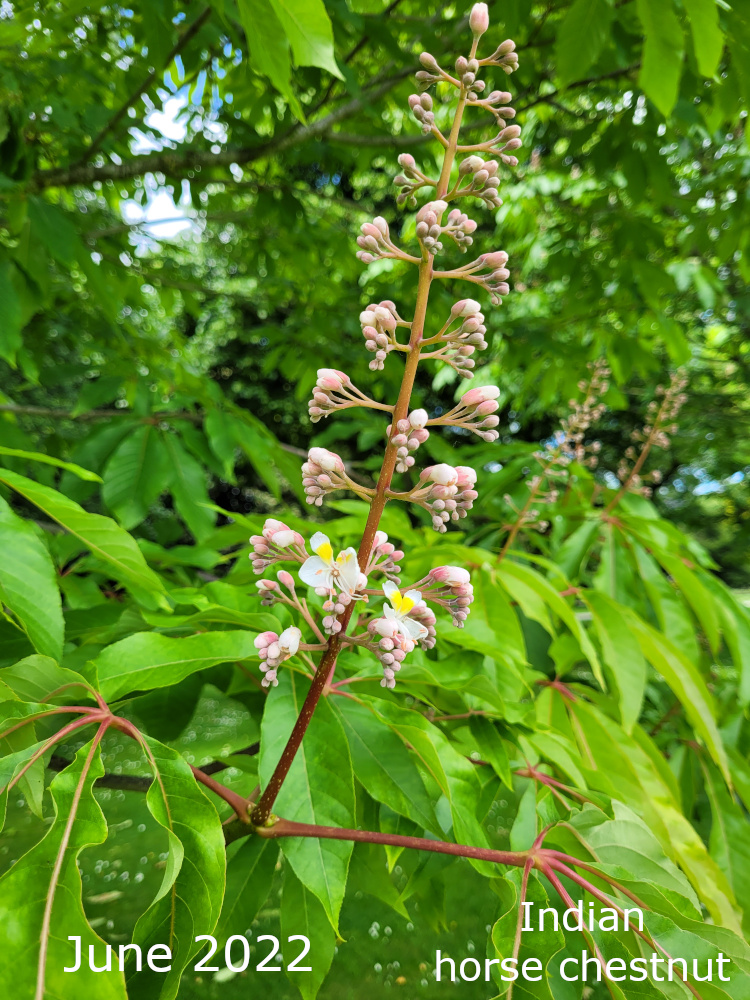
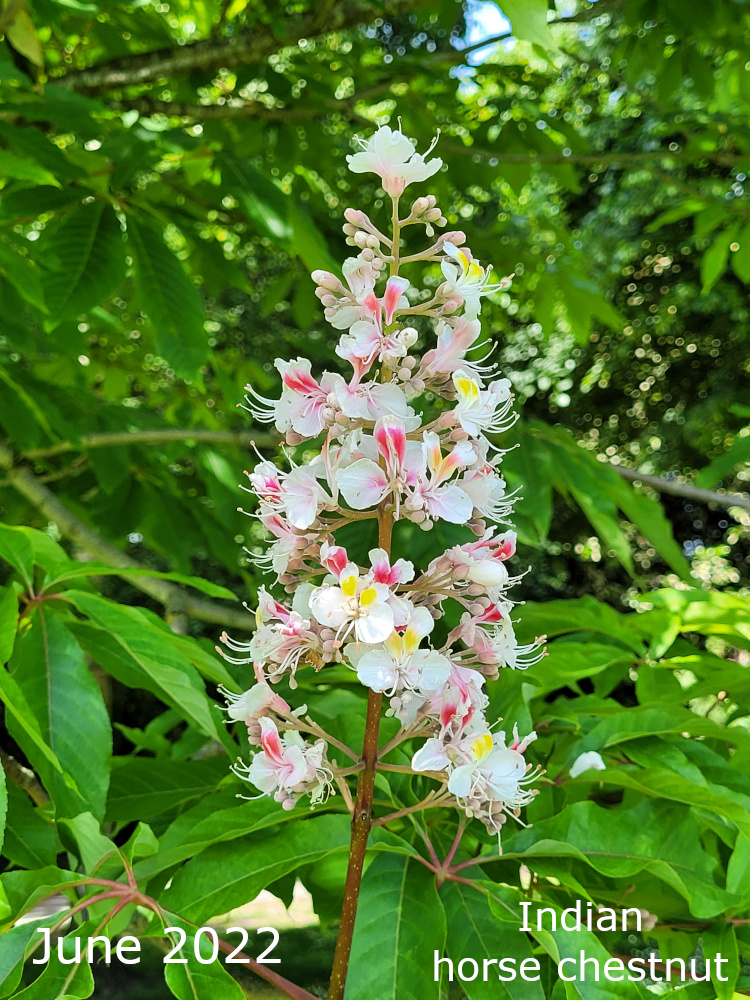
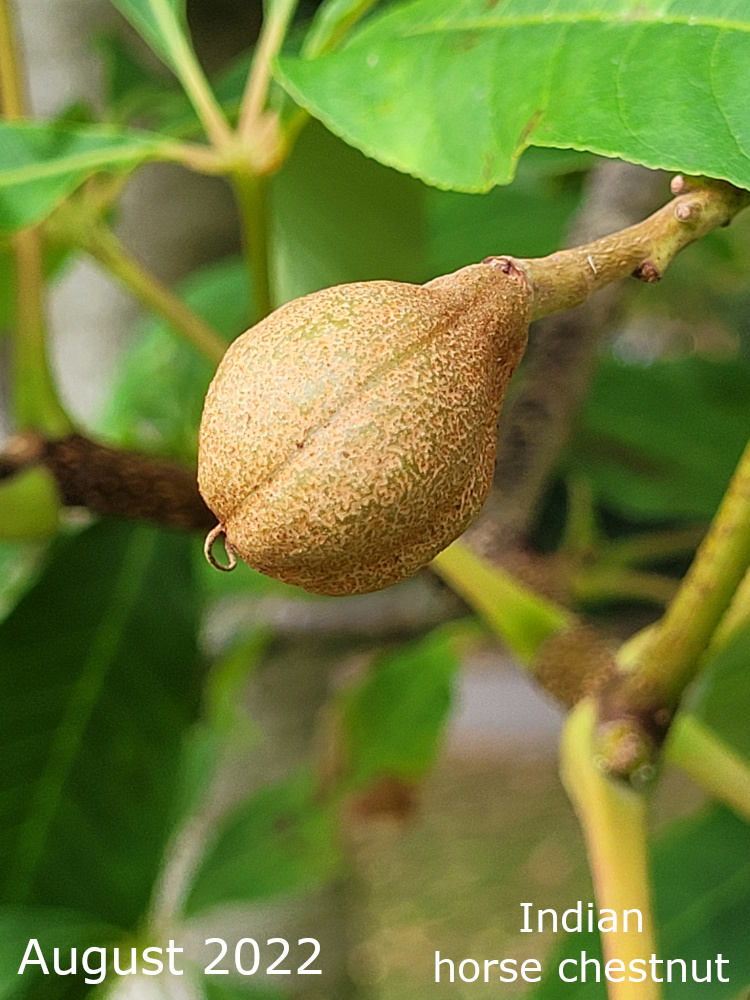
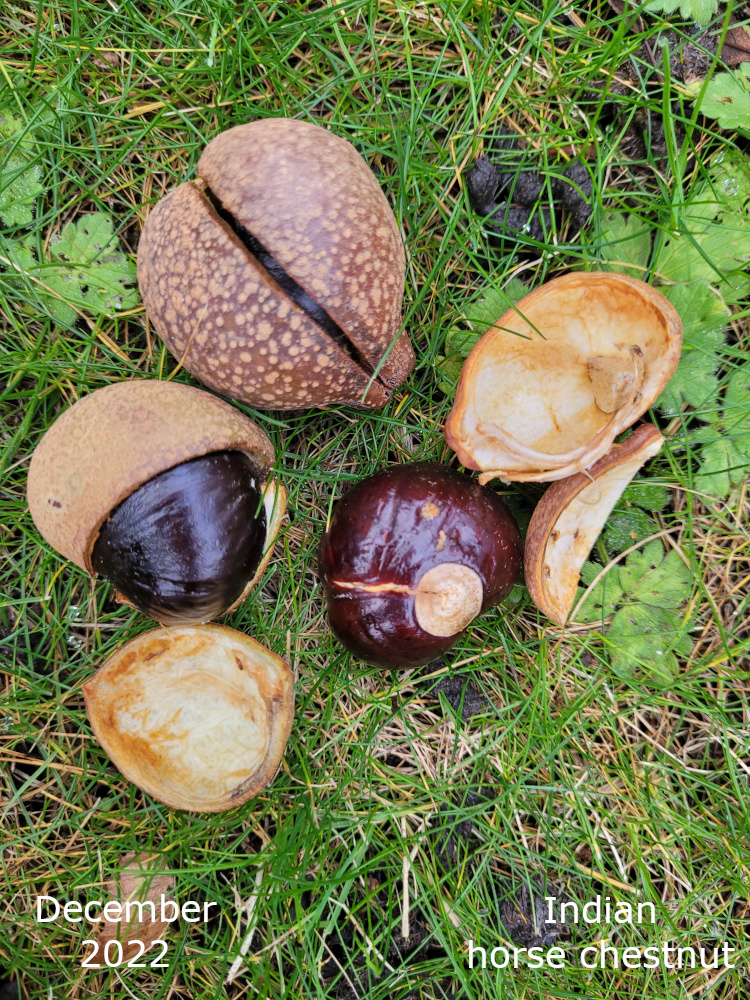
Go back towards Vicarage Road but stay off the path so that you have all the trees between you and the path. After you have passed the huge Sycamore, there are three medium sized trees in a line. The first is an Ash tree and the second two are Indian horse chestnut trees. They have some similarities to a regular horse chestnut and some important differences. Their leaves are still palmate – there are seven of them all radiating from the same point. However each leaflet is narrower and more pointed than the usual horse chestnut. These trees also flower later. They are in full flower by mid June rather than April. Their conker cases are smooth and the conkers are much darker.



 Kings Heath Park Trees