Drive
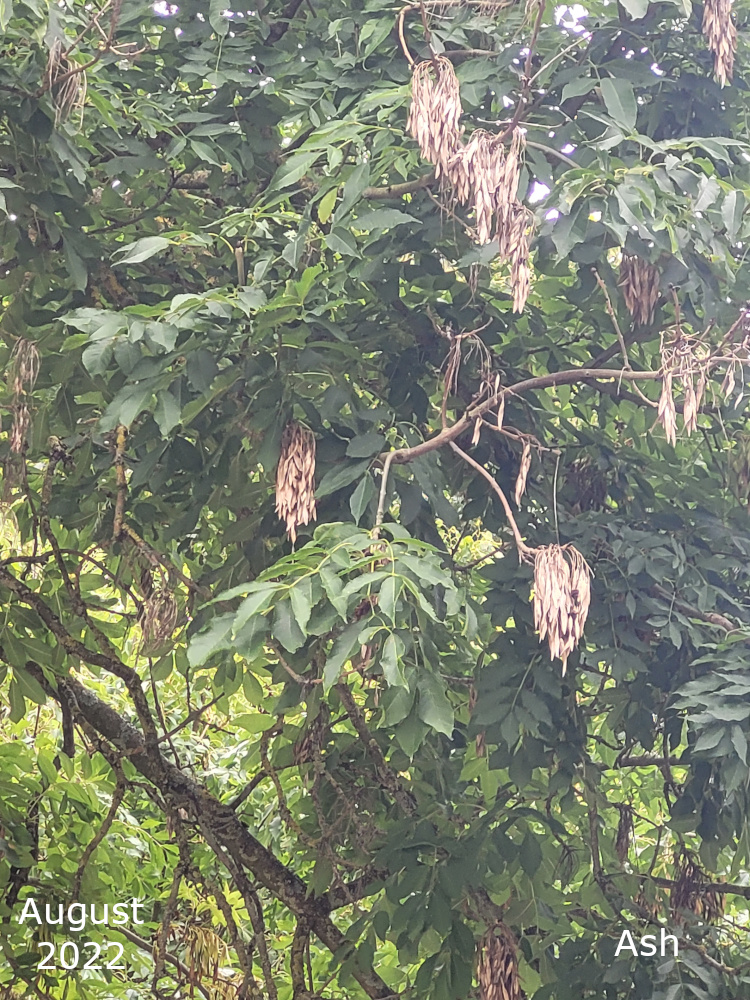
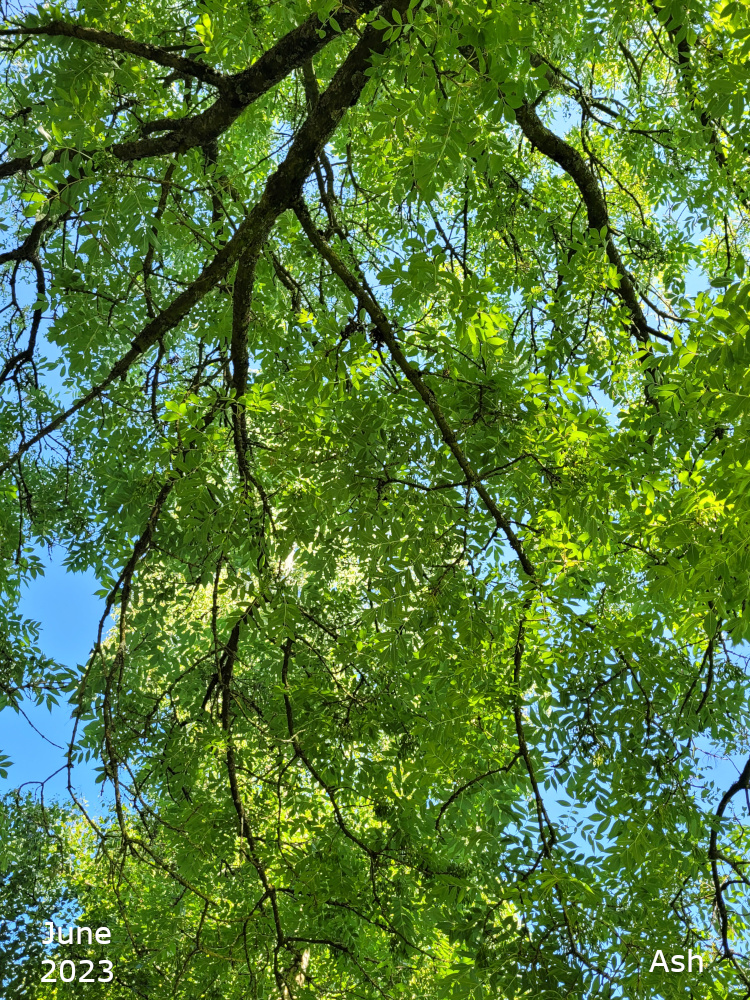
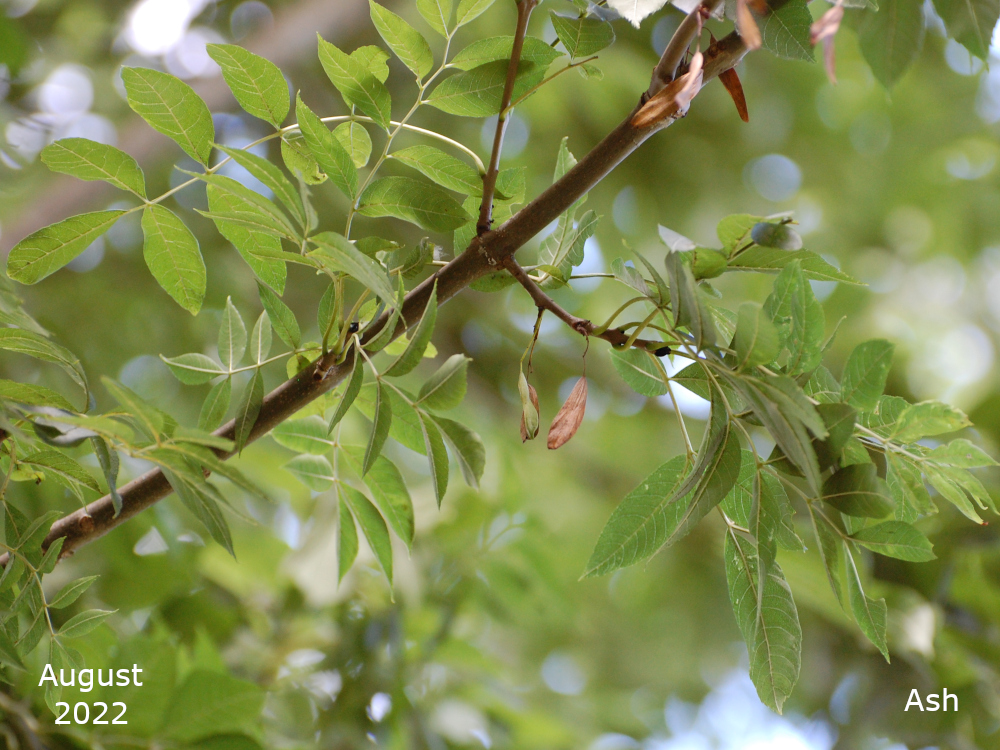
There is a small triangular area just off the drive and one of these three Ash trees is near that triangle more or less opposite the link to the drive. This particular tree usually has keys from the previous year still hanging in the branches. The keys are a type of samara which is a dry, winged fruit containing a single seed and are meant to be carried by the wind.
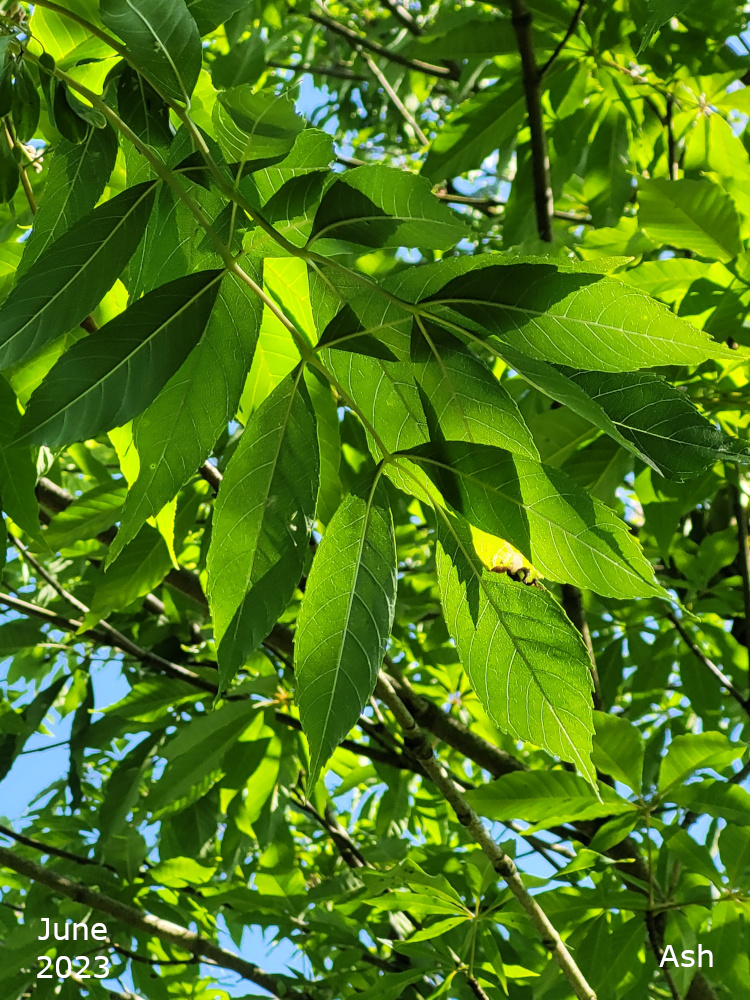
There are two more Ash trees alongside the path leading towards the front gate. The final tree, on the drive, is at one end of the small parking bay just before the turn-in to the yard. All these trees are common Ash, Fraxinus excelsior.

Manna ash
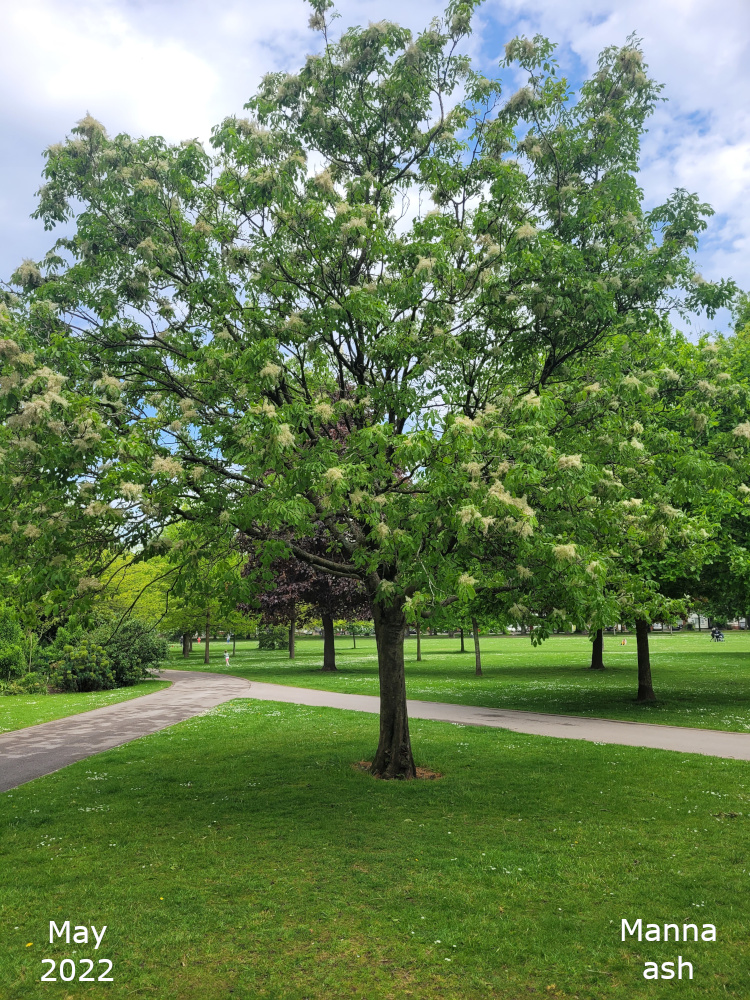
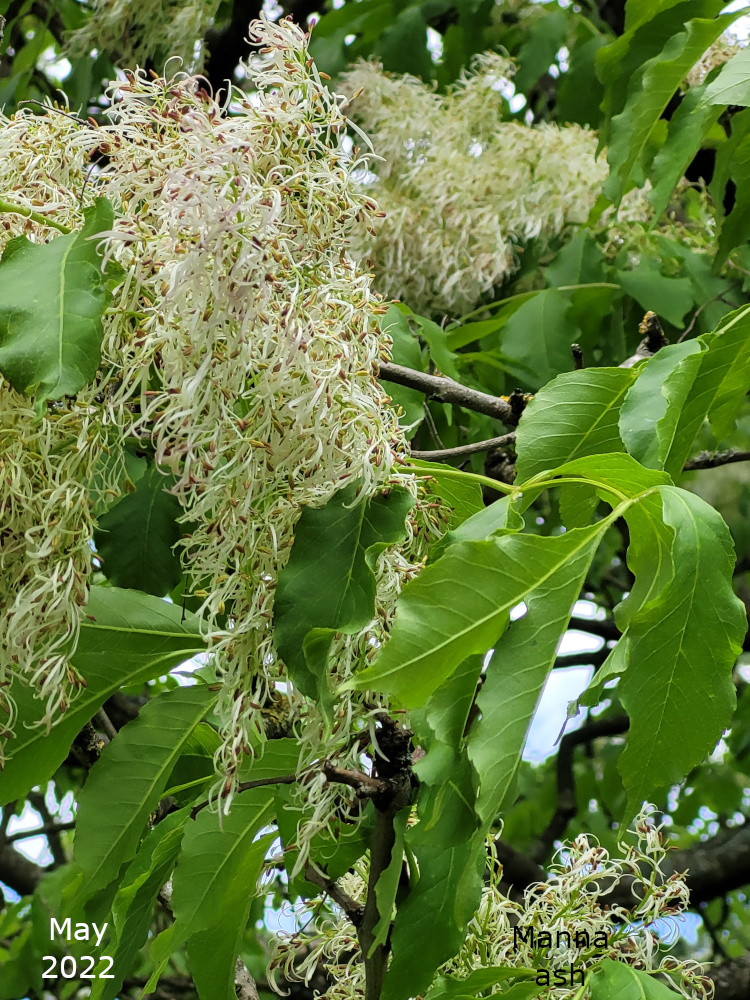
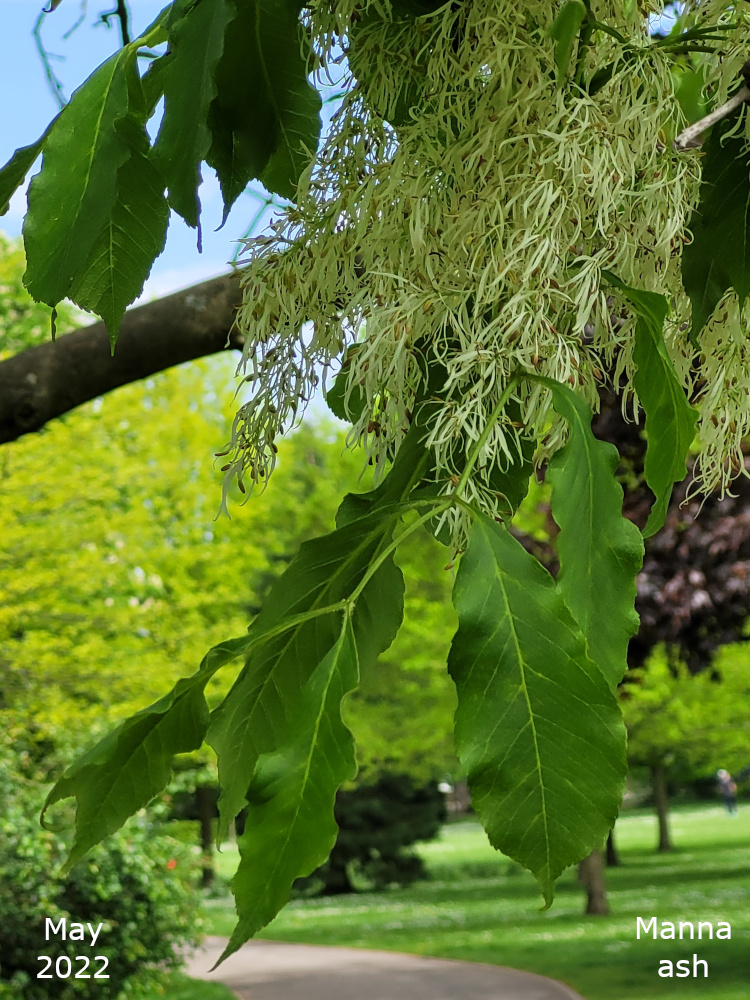
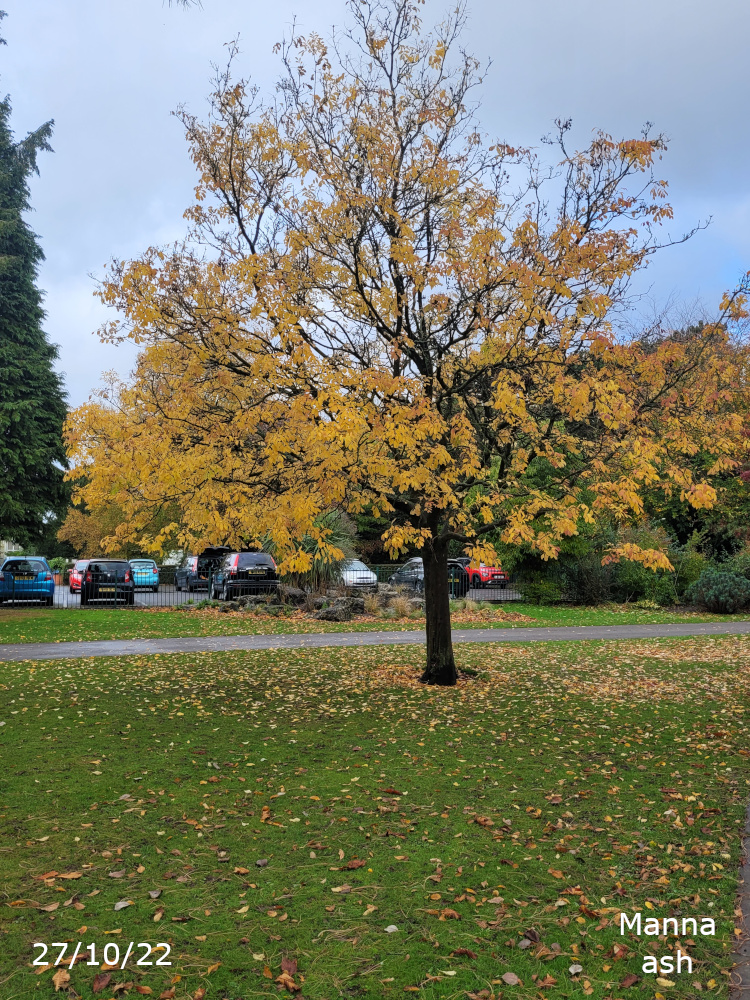
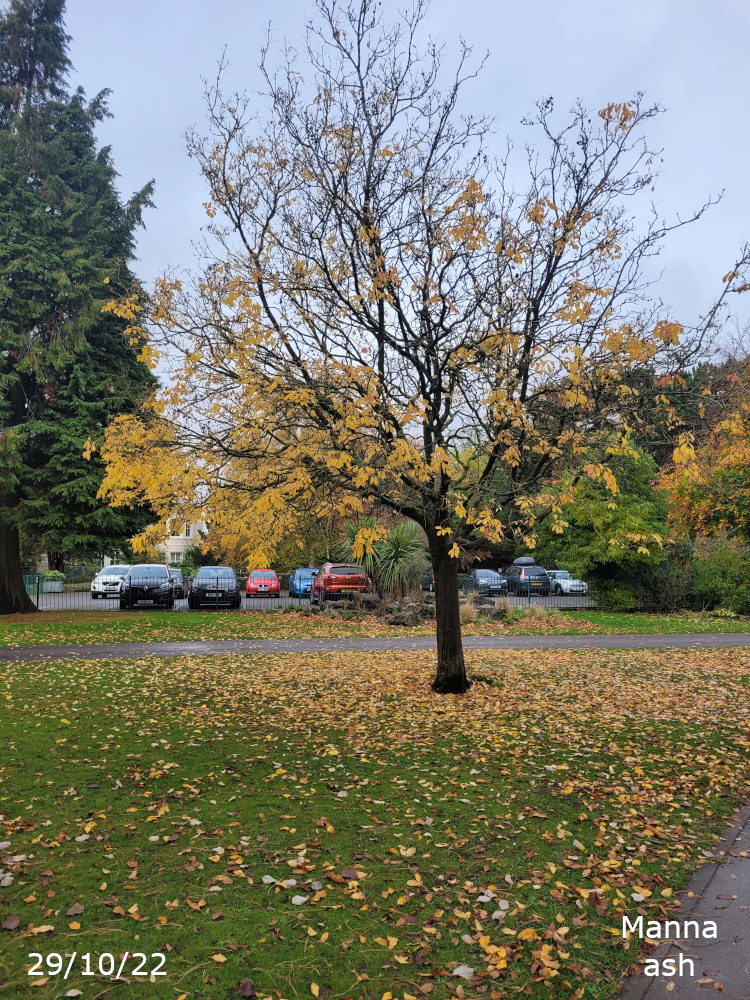
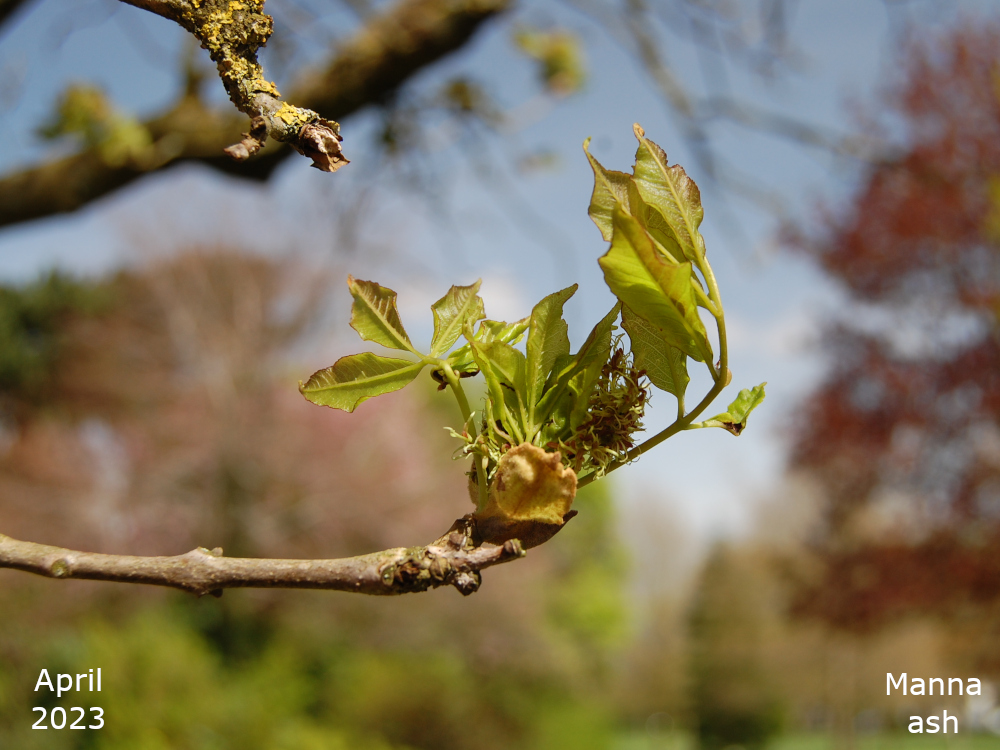
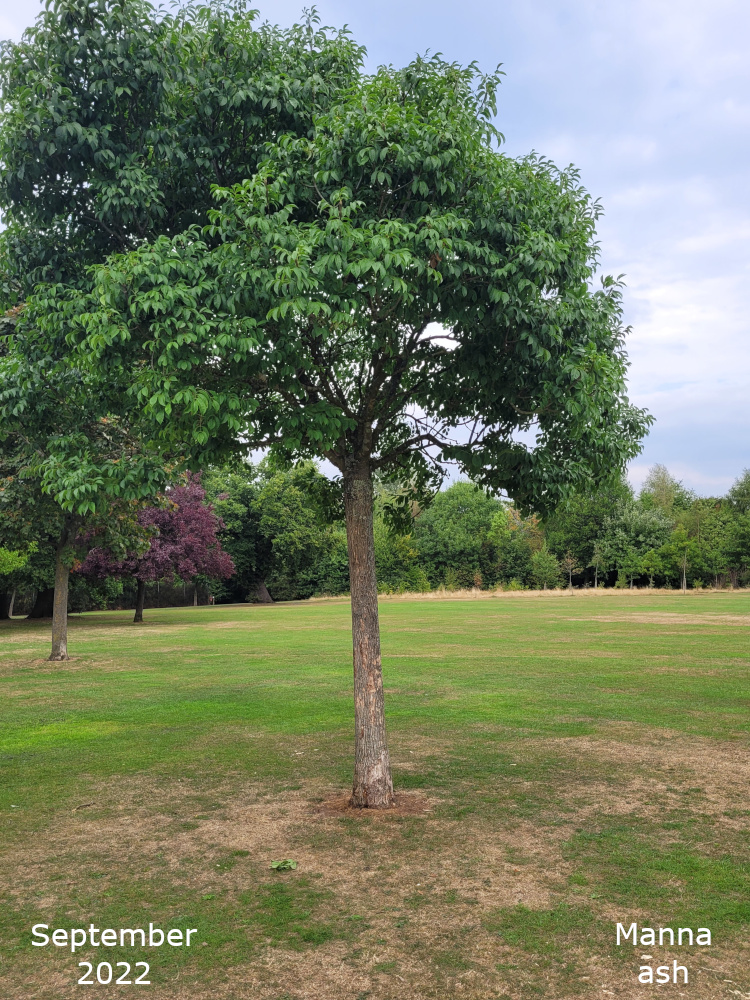
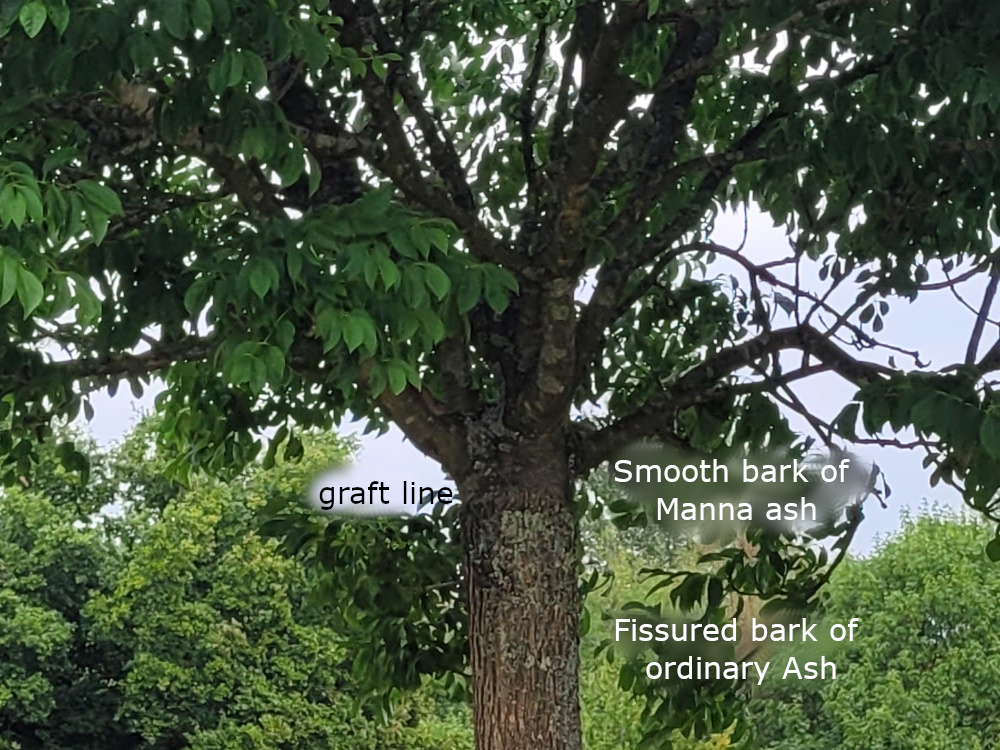
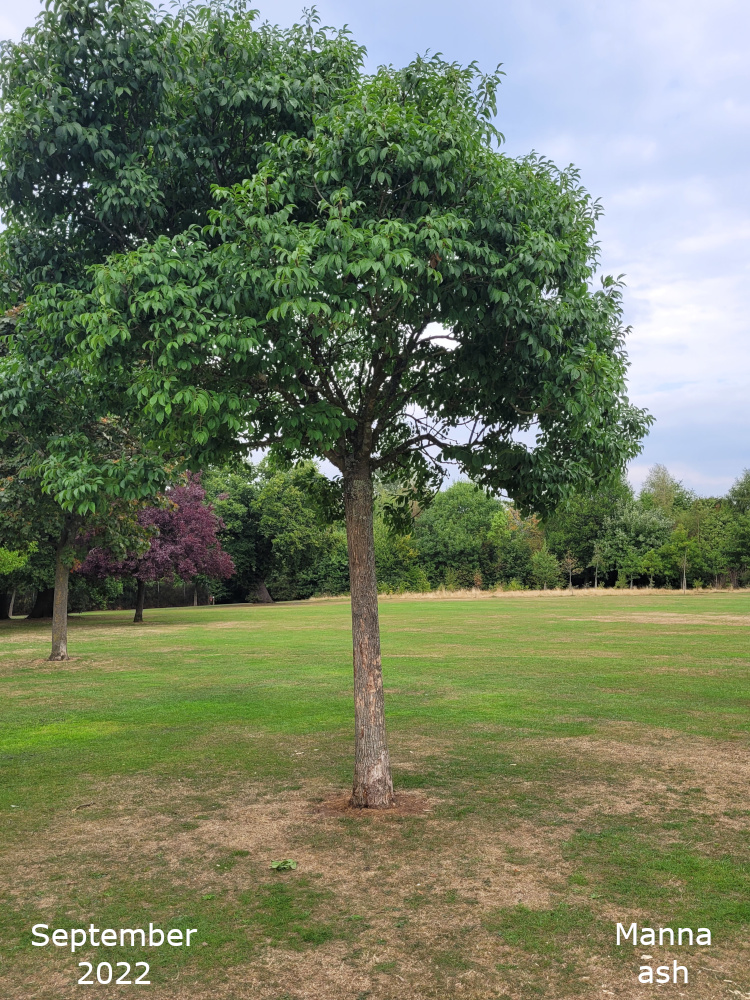
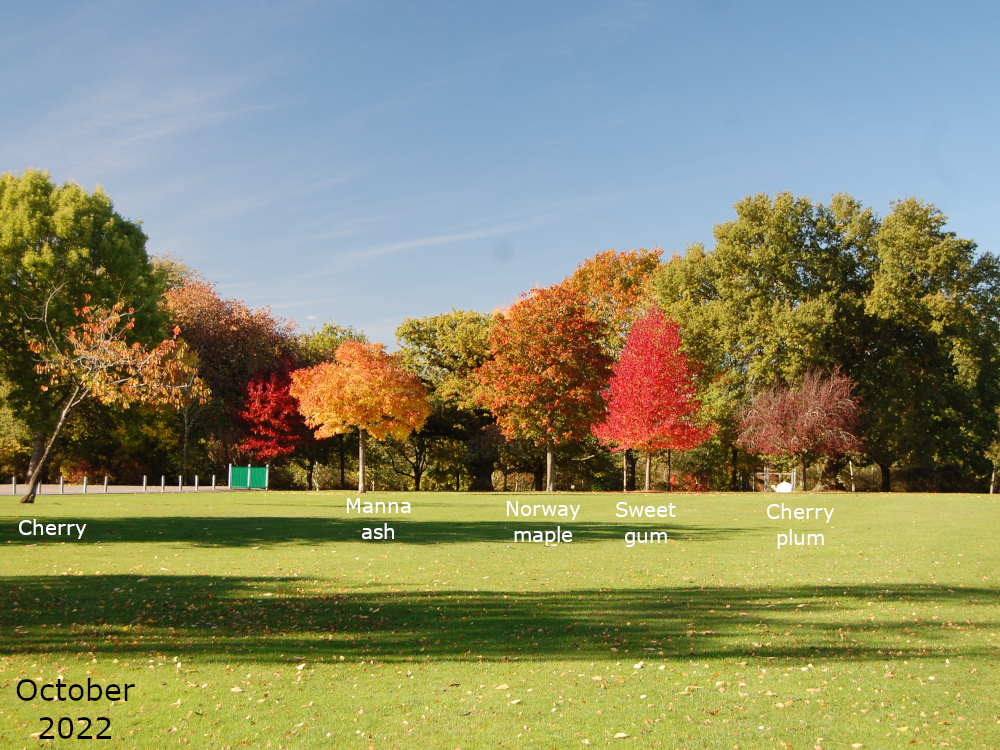
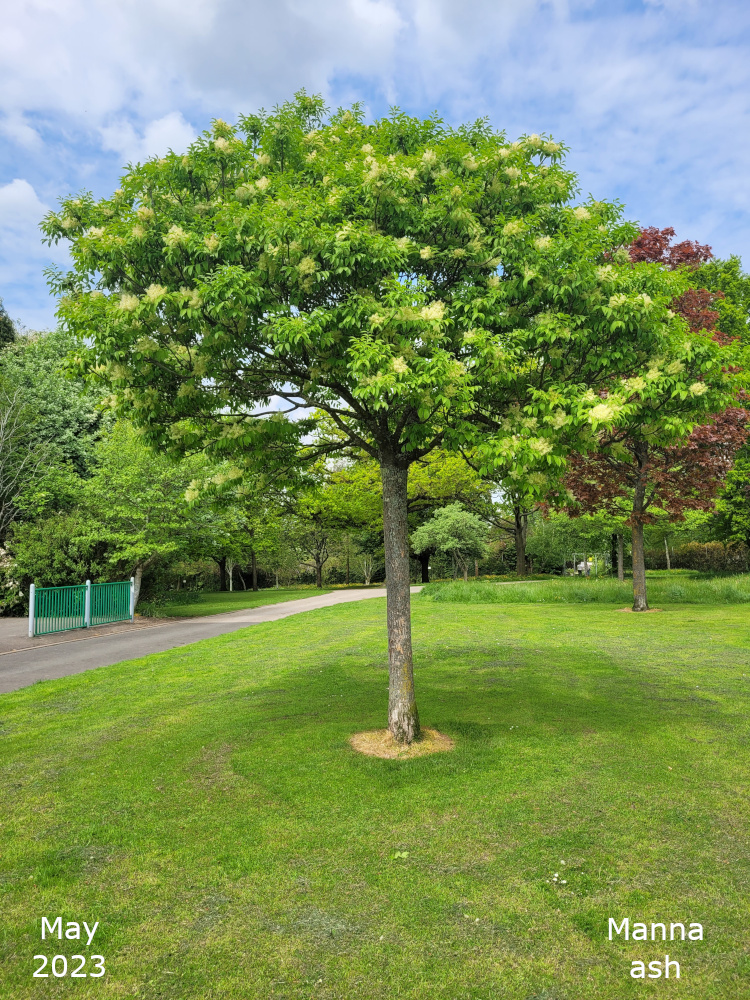
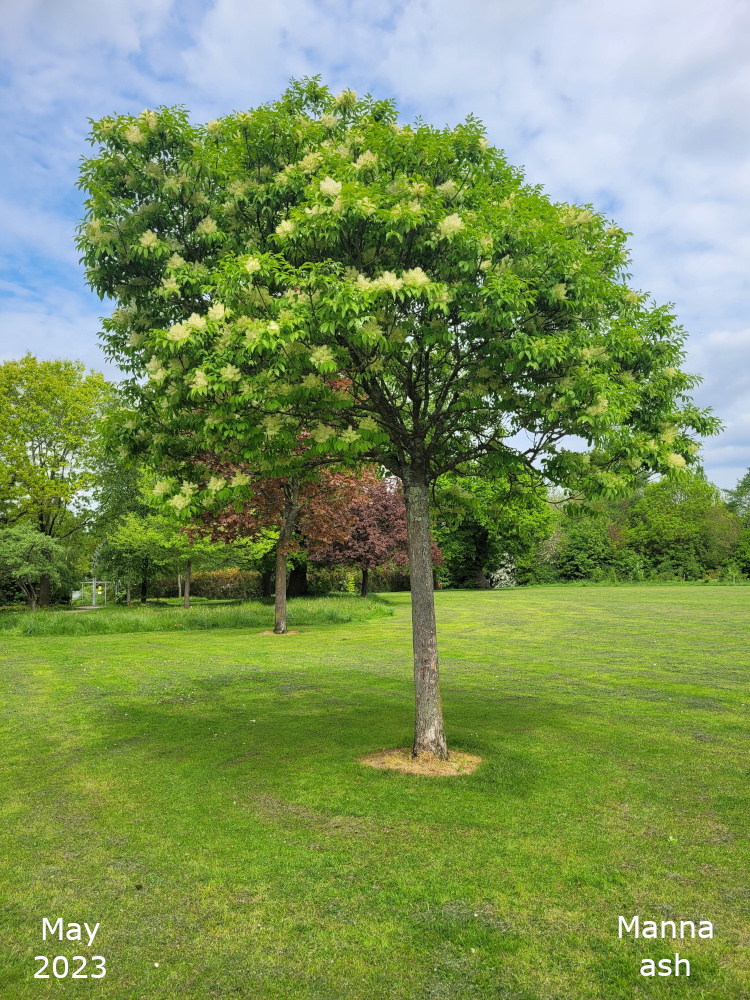
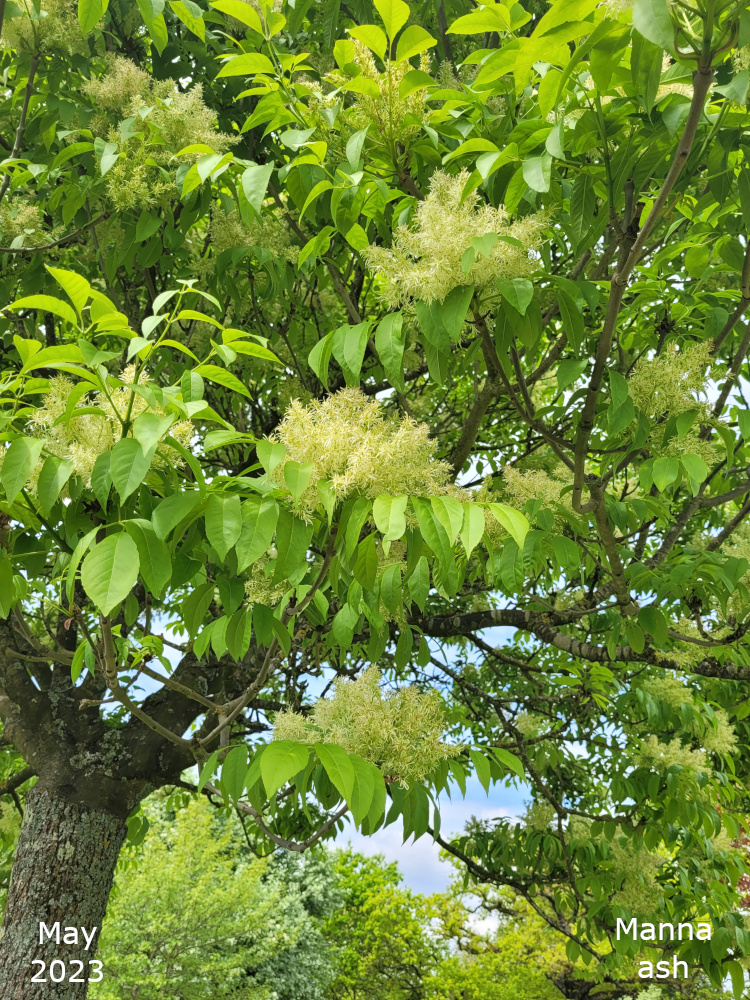
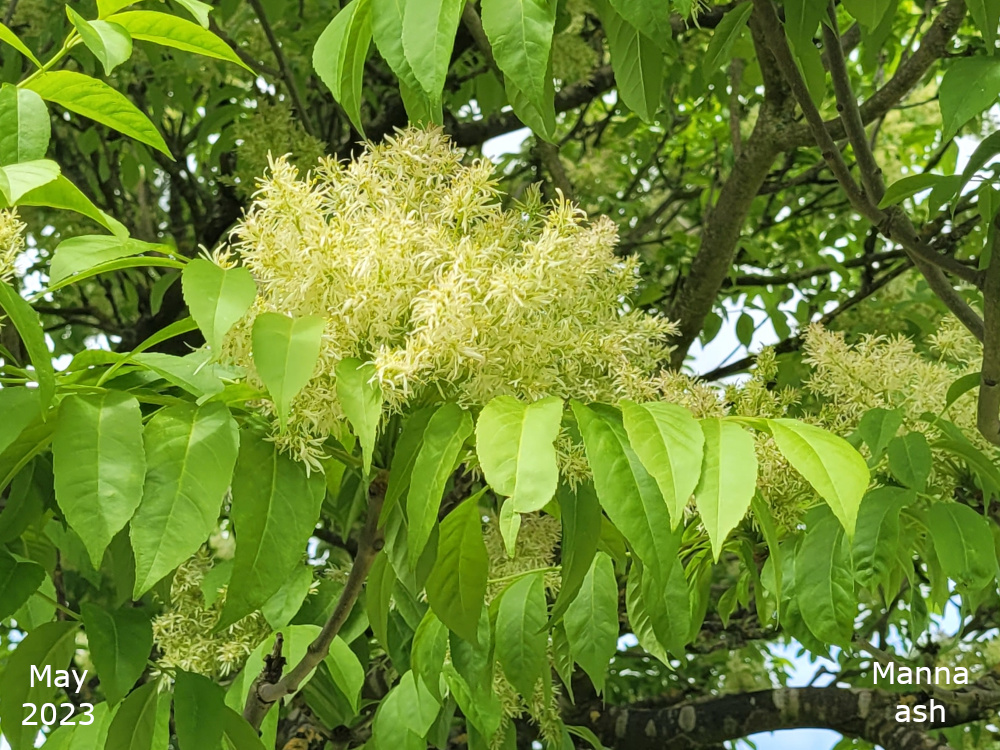
Also in that triangular area, opposite the gate at the corner of the car park, is a Manna ash, Fraxinus ornus. There are two of them in the park and the other one is over by the basketball court. The Manna ash has pinnate leaves like an ordinary Ash tree but the leaflets are more oval, less pointy than the Ash. The bark is smoother and this shows up in the Manna ash by the basketball court which is grafted onto an ordinary Ash rootstock with more fissured bark. The graft line is quite conspicuous just below the crown of the tree. The trees flower in May.
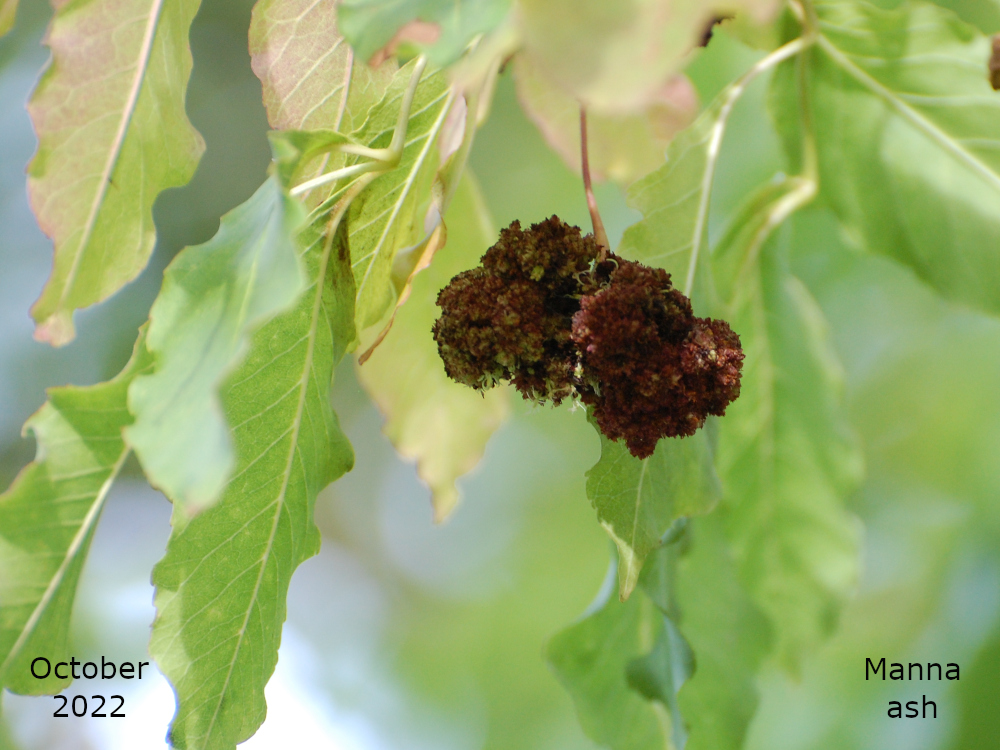
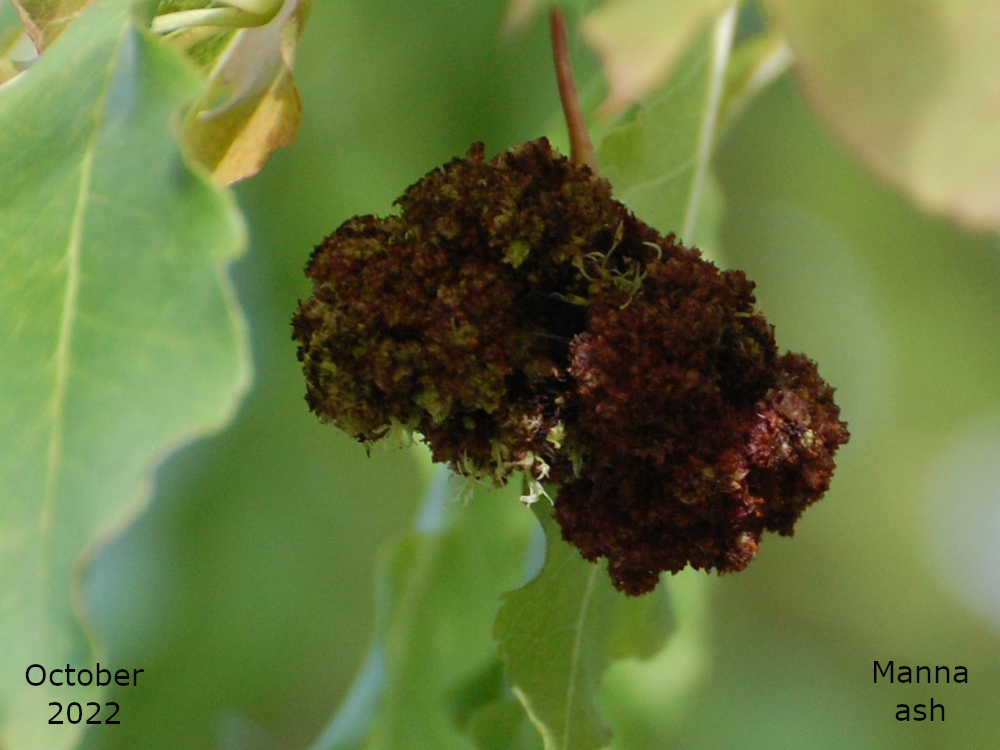
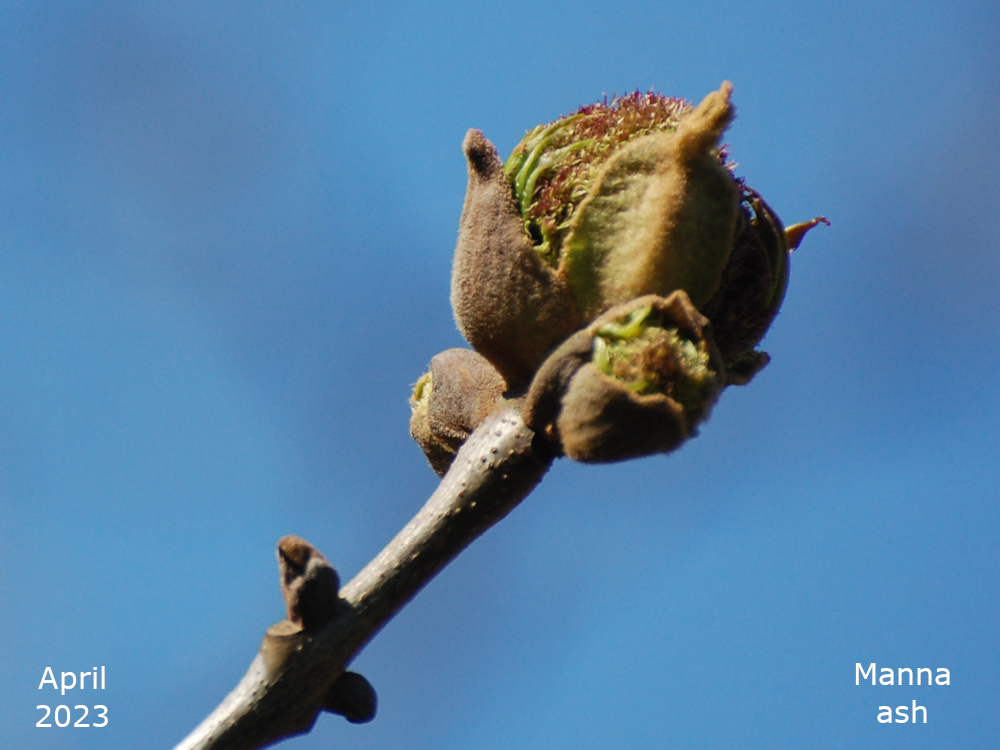
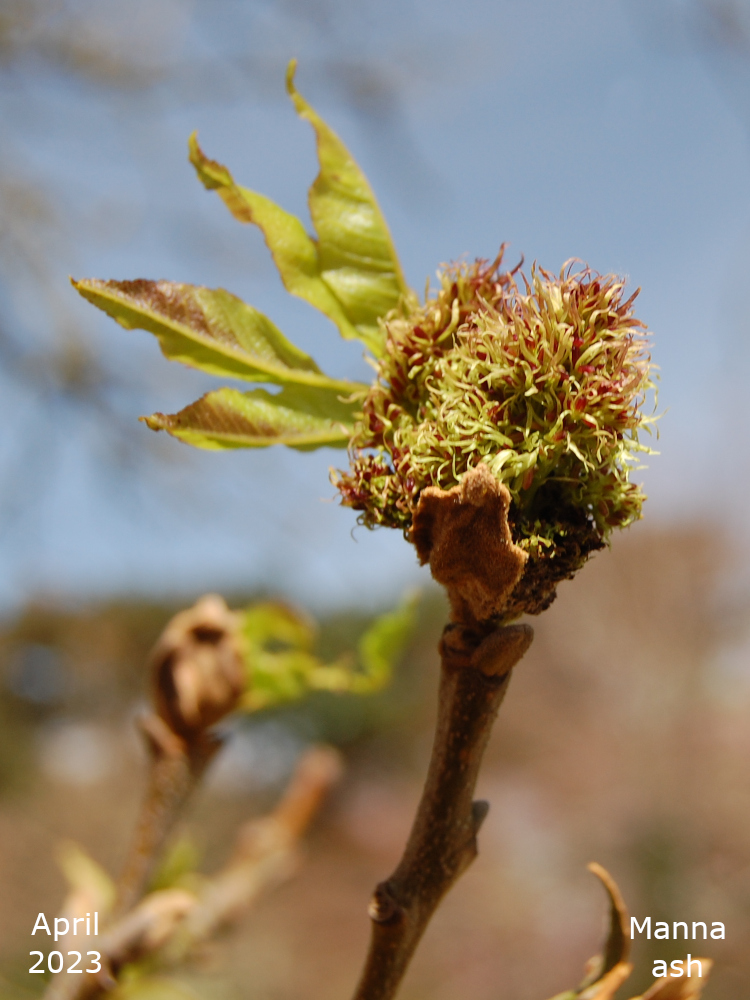
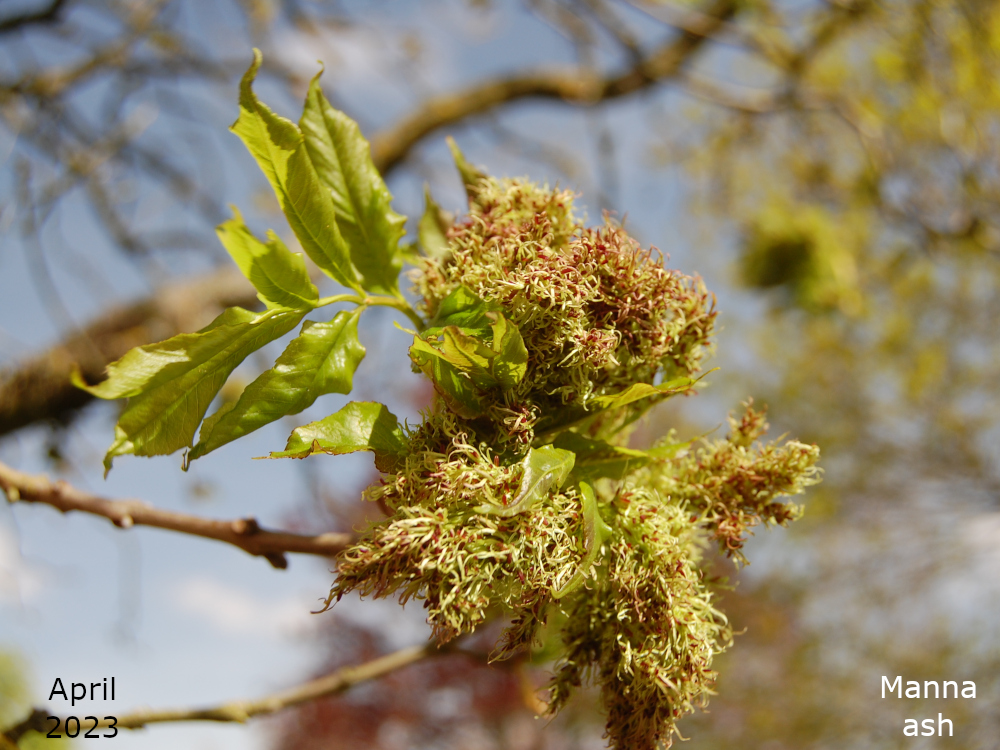
The flower buds look weird and leathery in early Spring and as they grow they look almost deformed. The buds burst about the same time as the leaves come out but the flowers take some time to develop. When they open and the flowers grow it’s not surprising that they were bulging so much as the flowers are a mass of slender petals much like a big white pom-pom. The fruit is a slender samara, much like an ordinary Ash but I did photograph a strange object in the tree, in October, and I can’t decide whether it’s a gall or a normal formation. I have found out that ‘normal’ for ash trees can be quite strange so I’m waiting to see if these objects appear again.


Main field
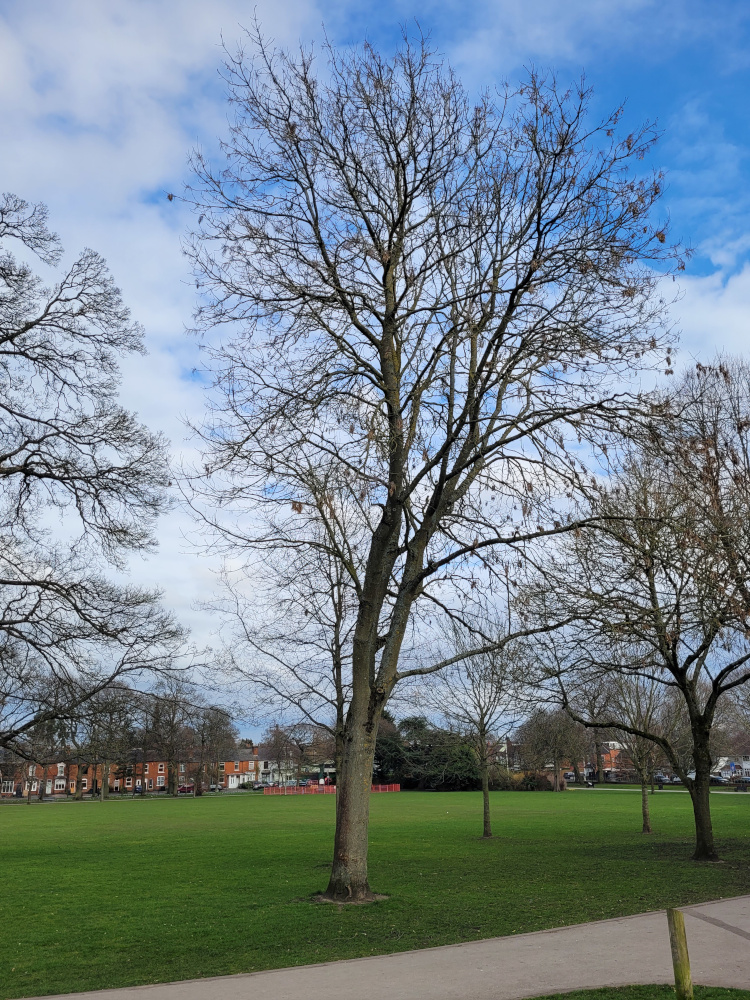
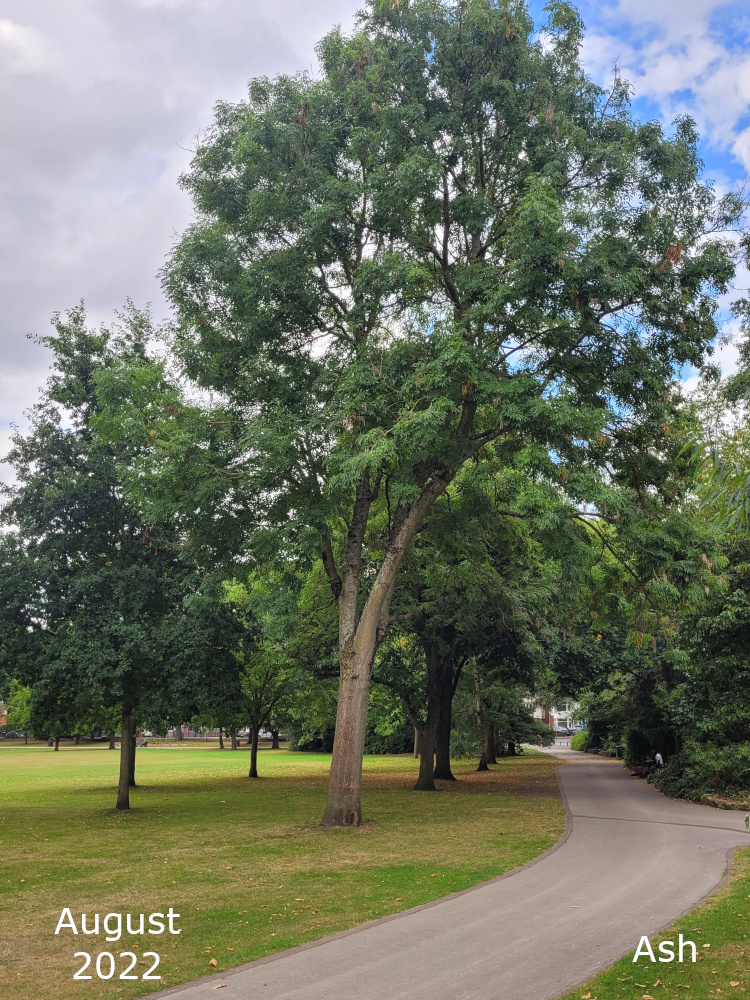
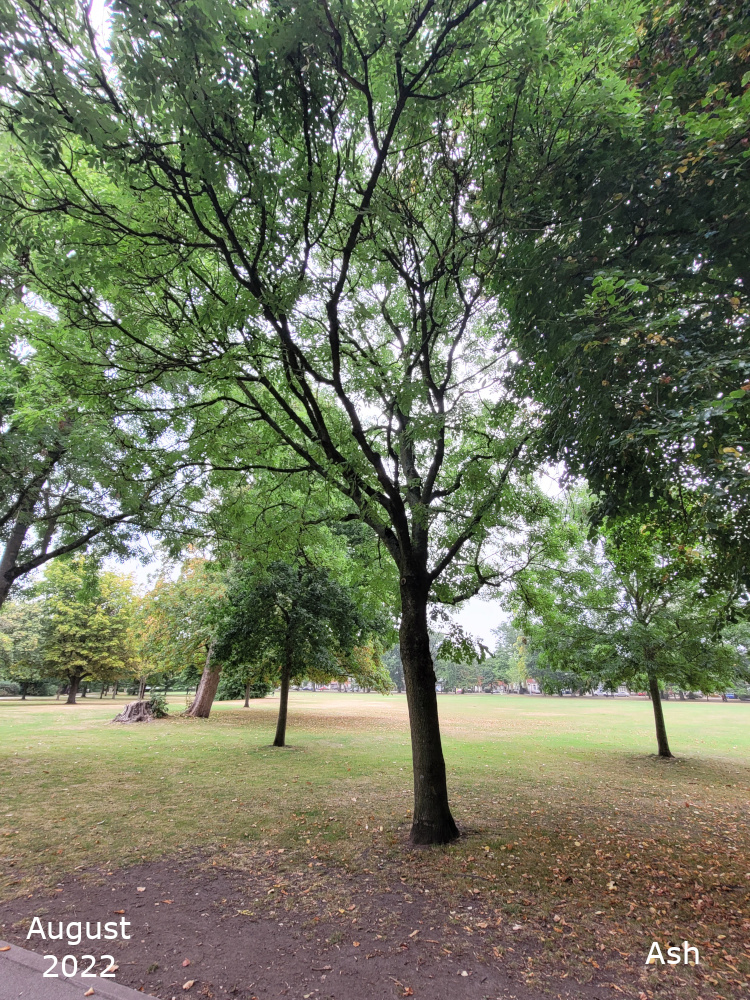
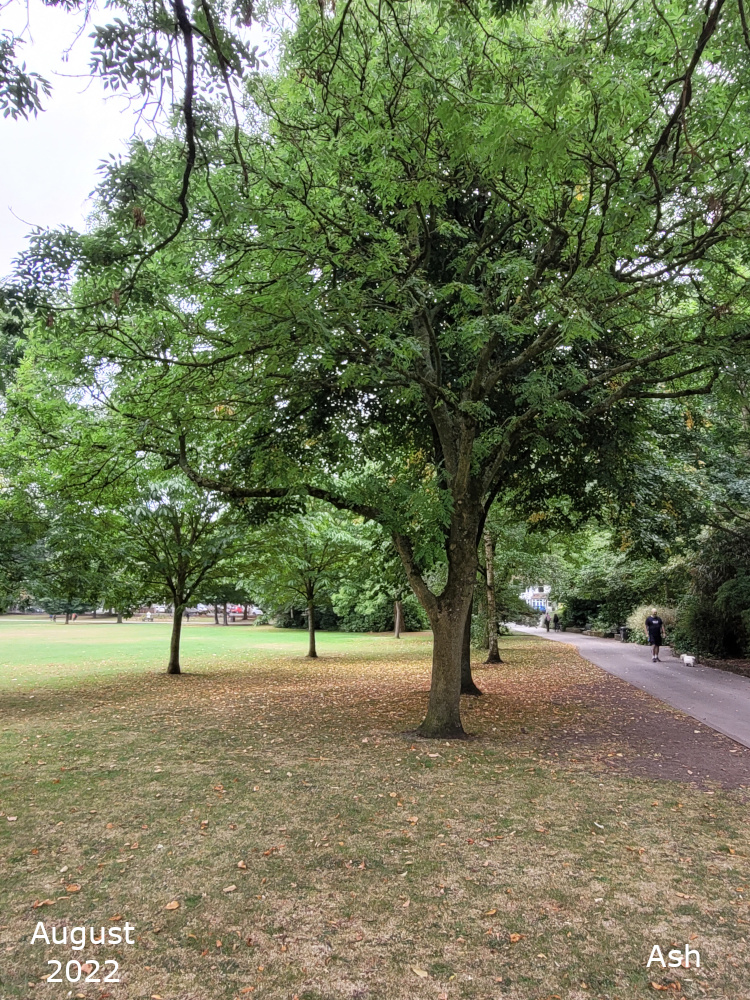
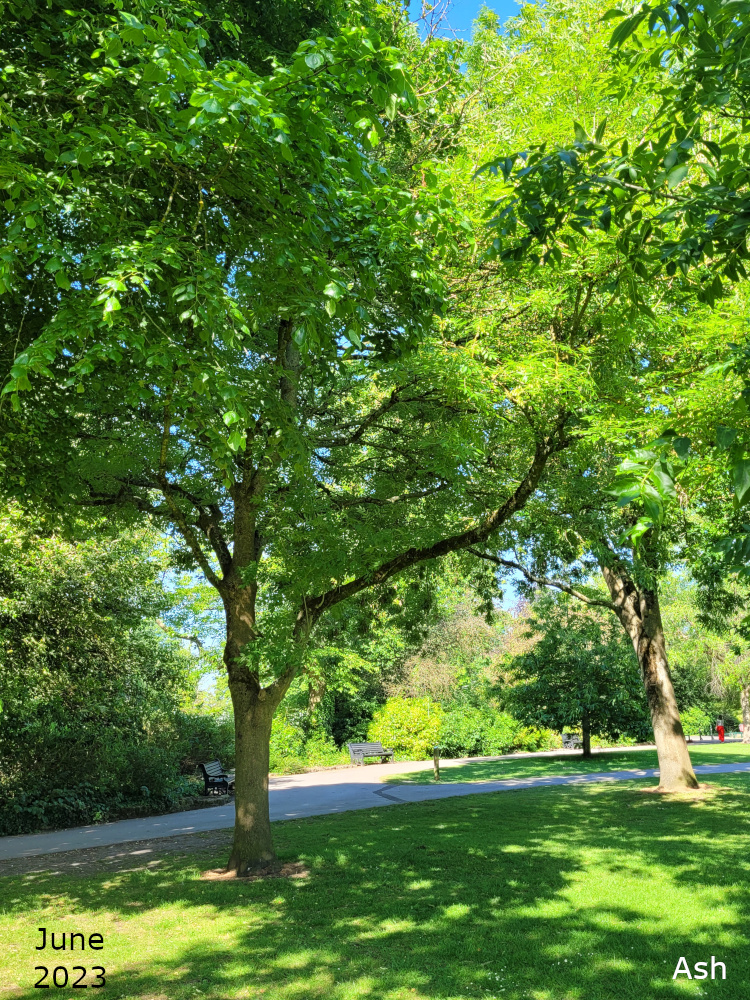
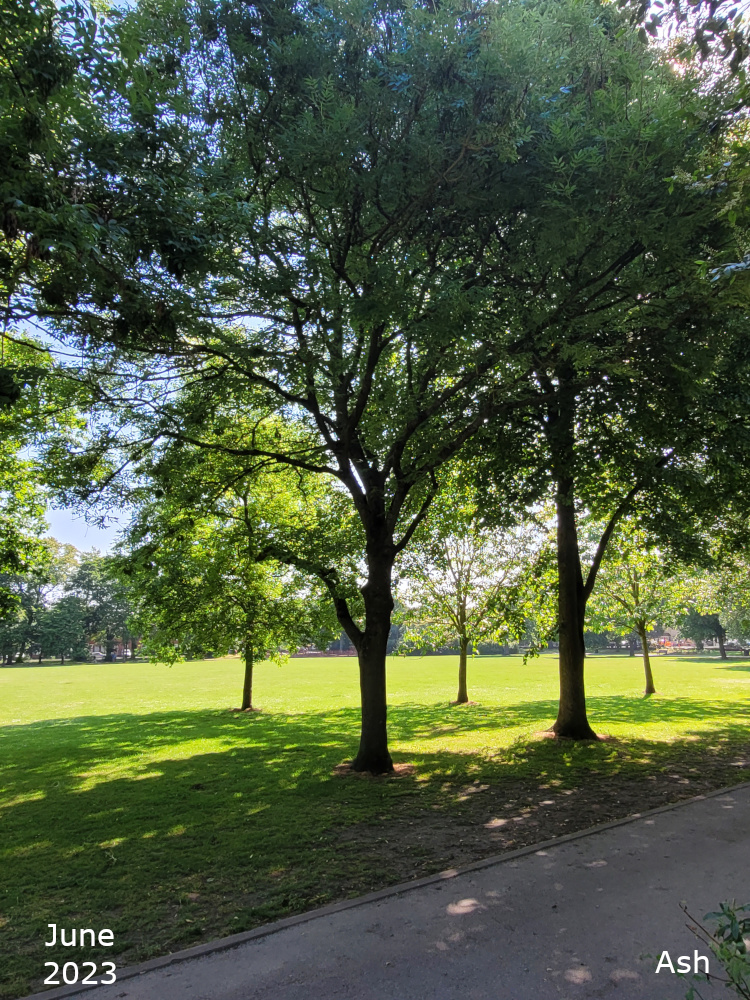
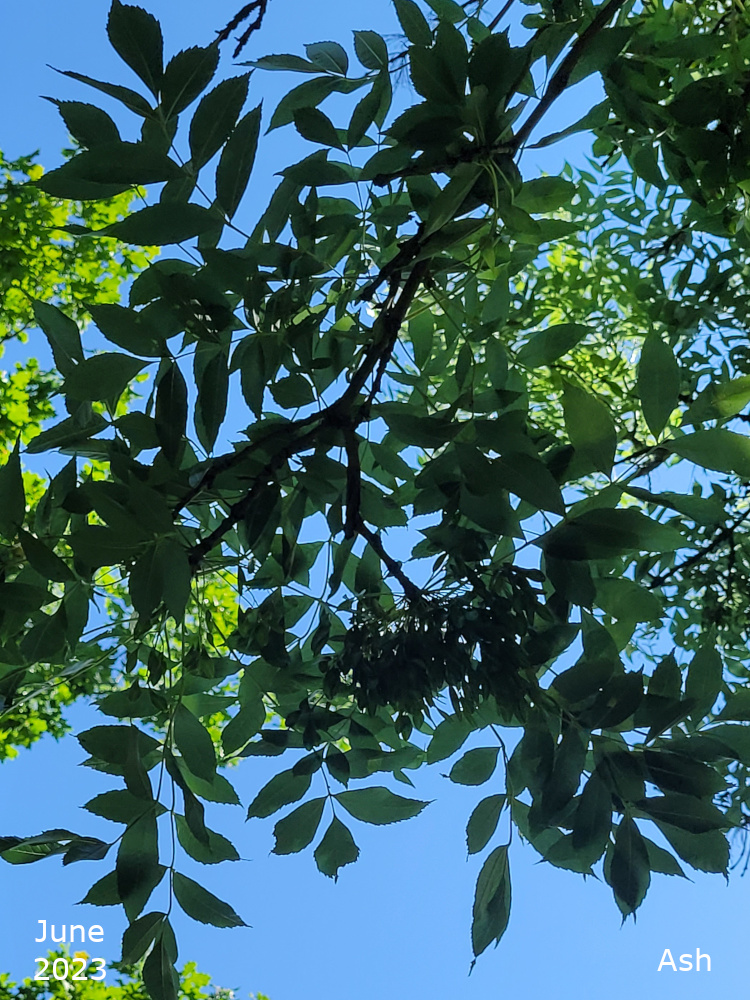
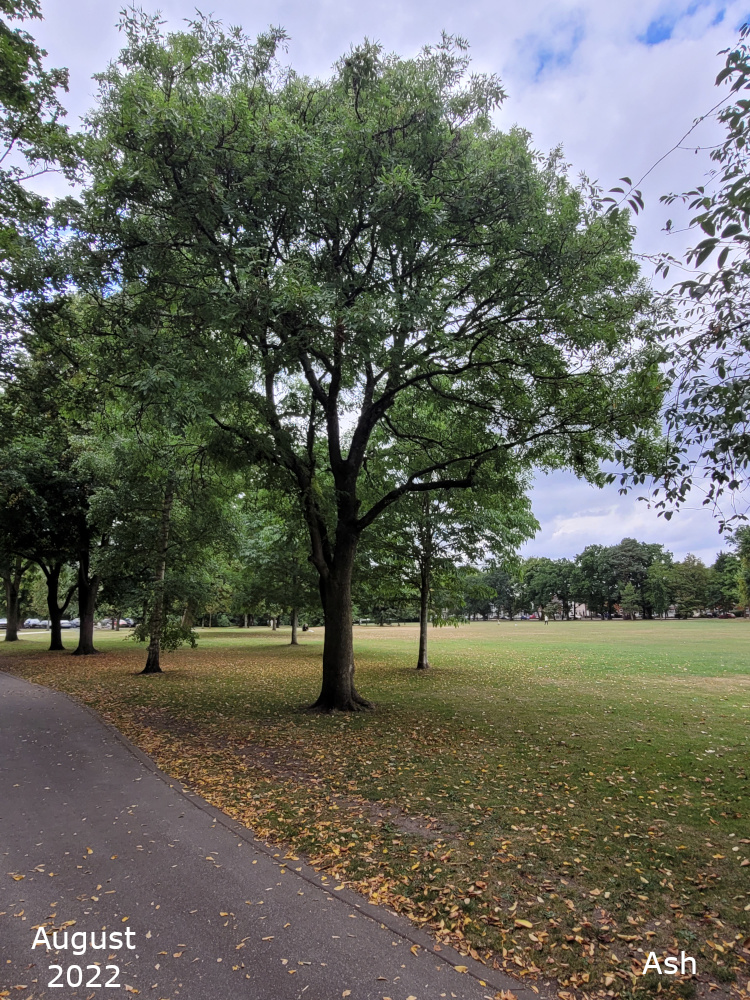
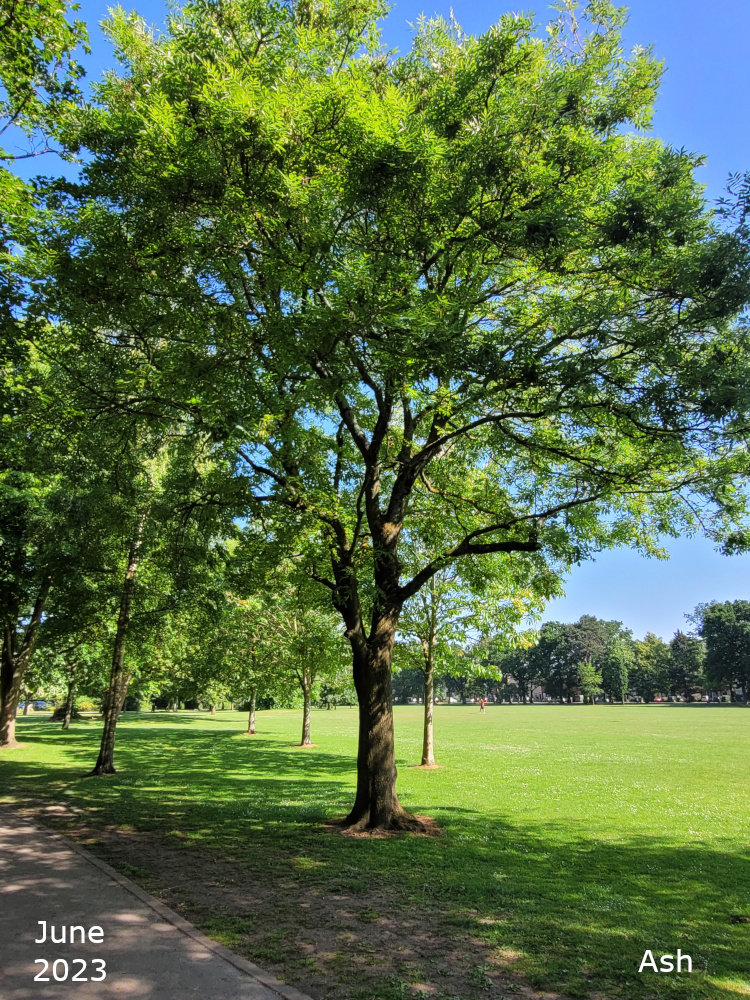
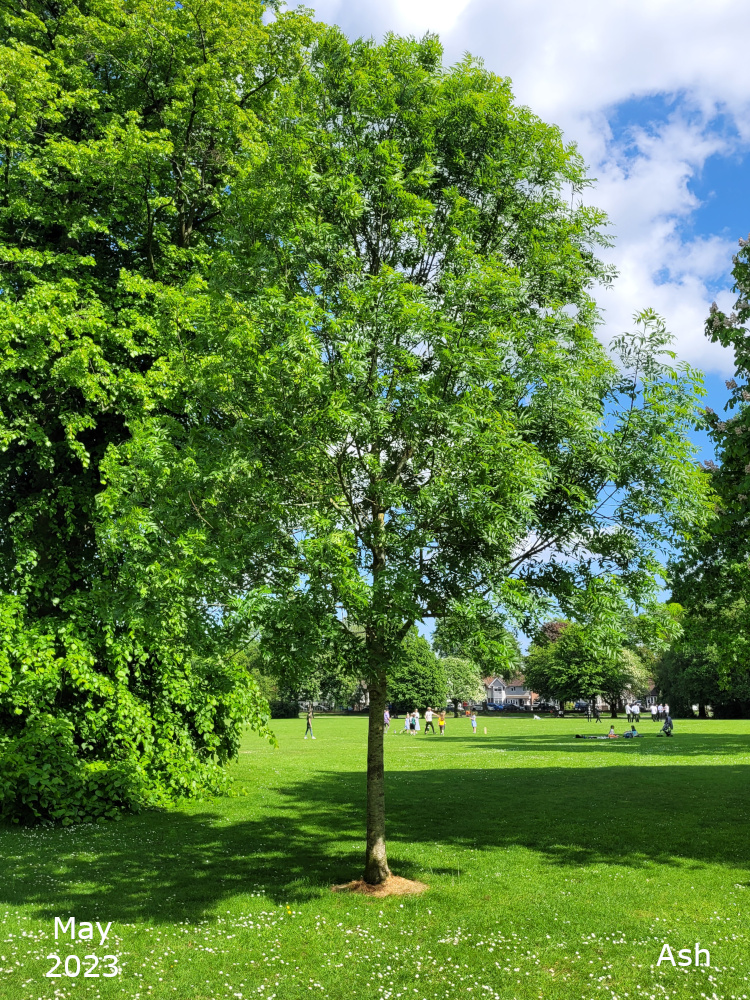
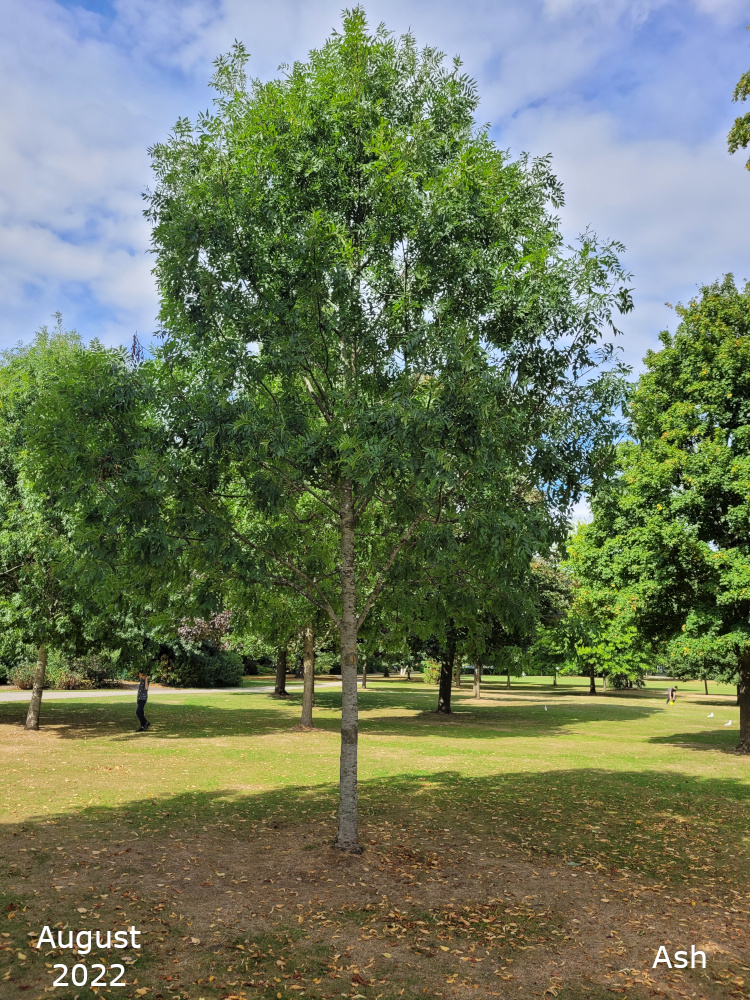
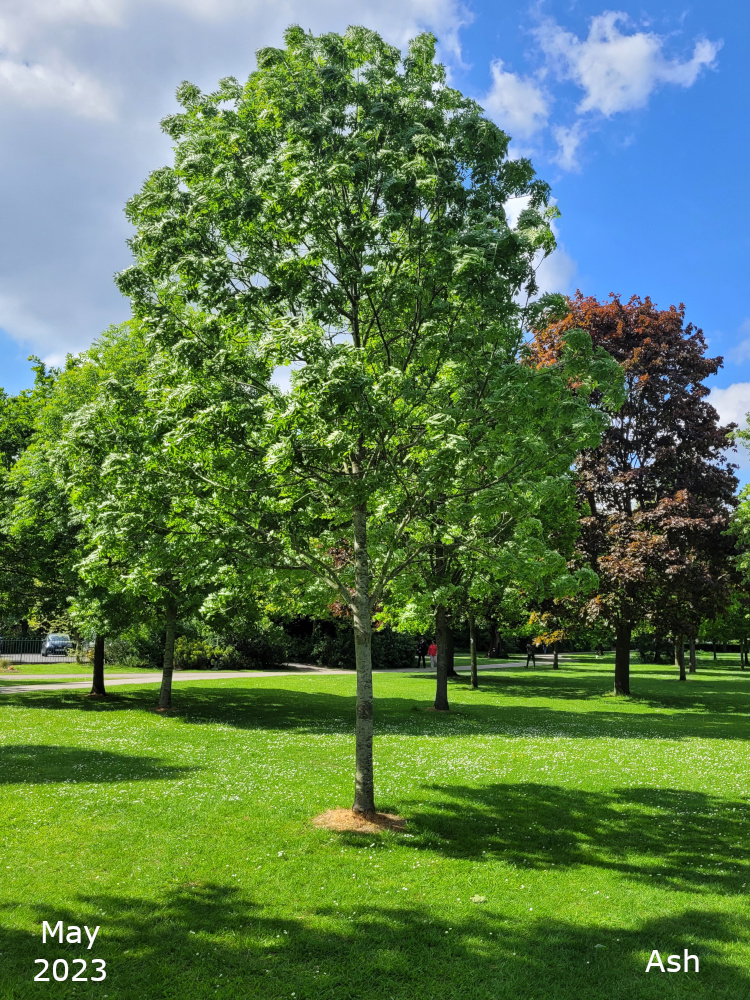
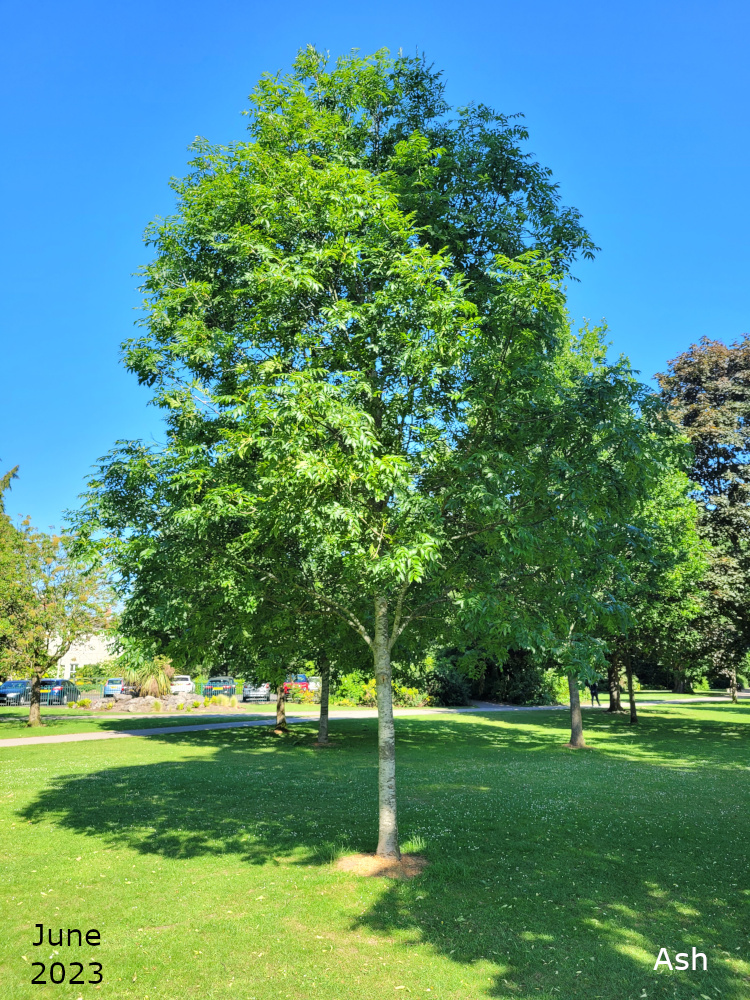
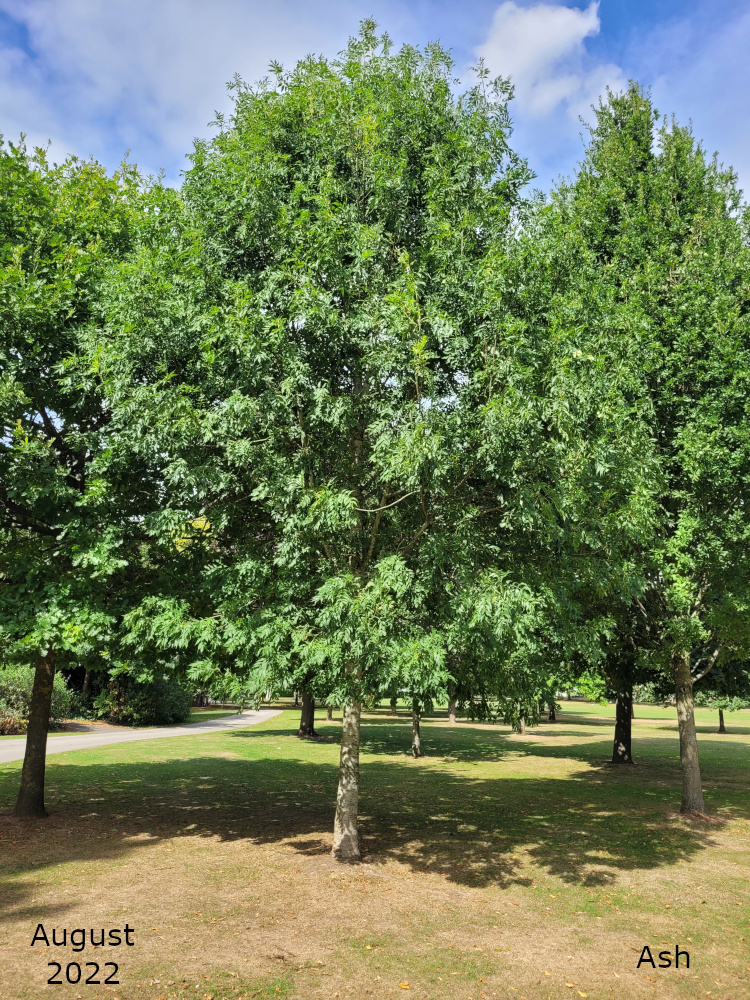
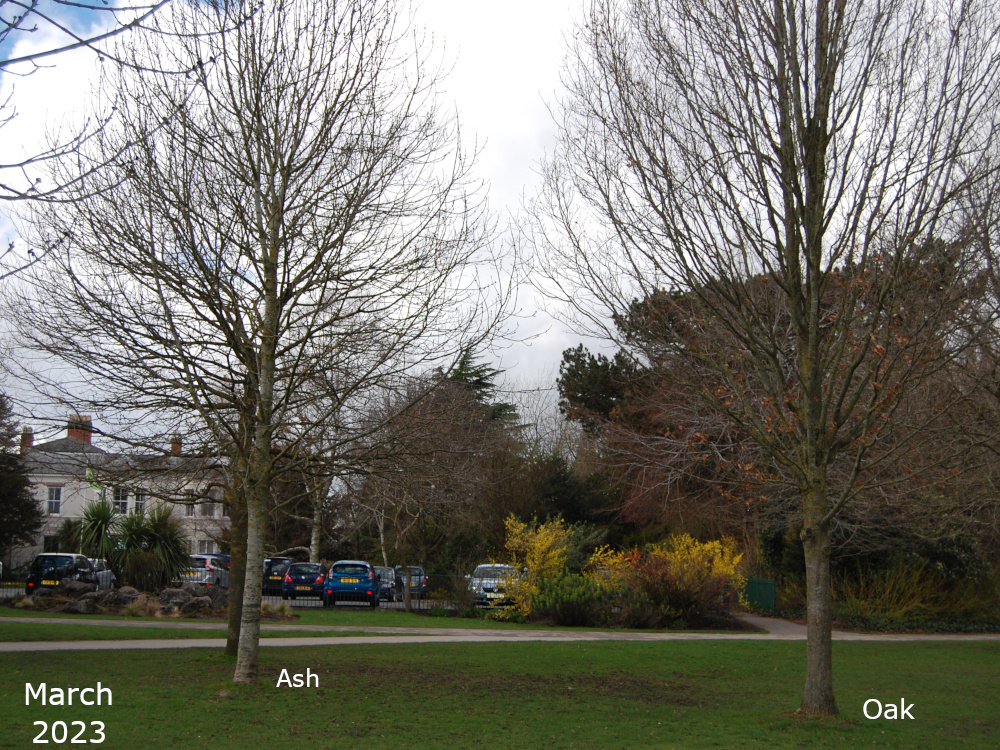
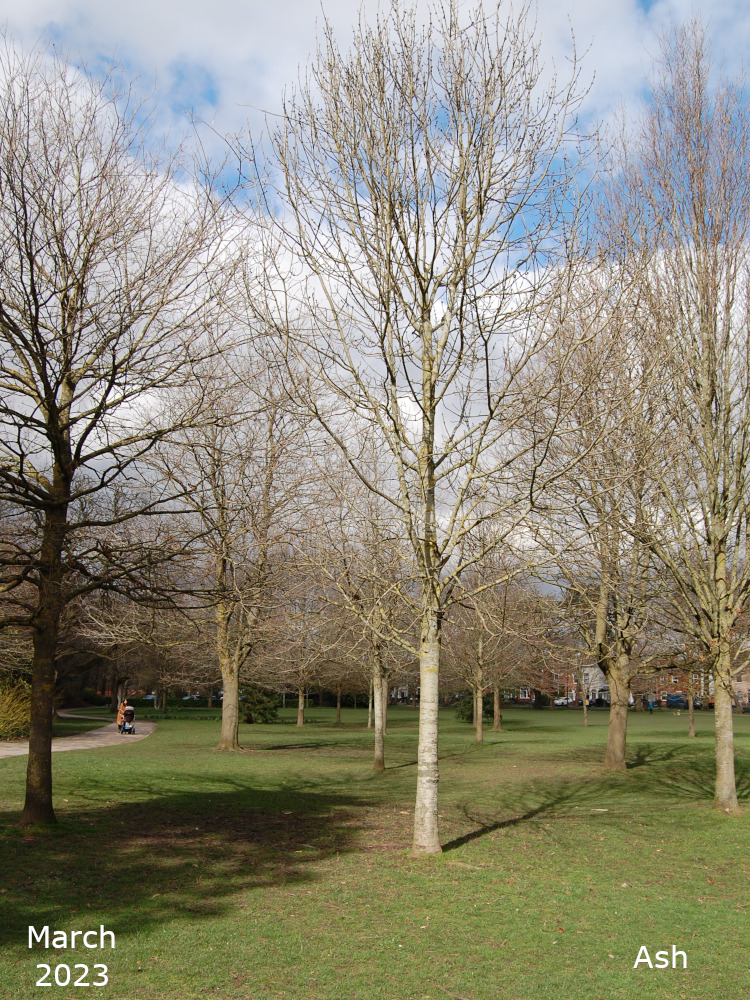
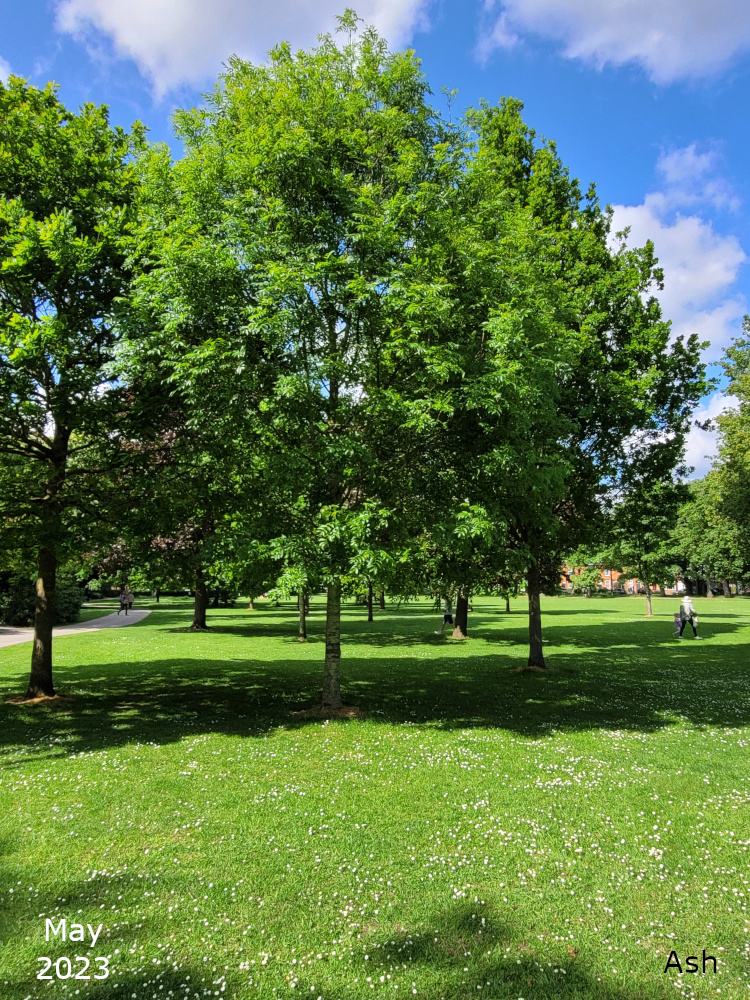
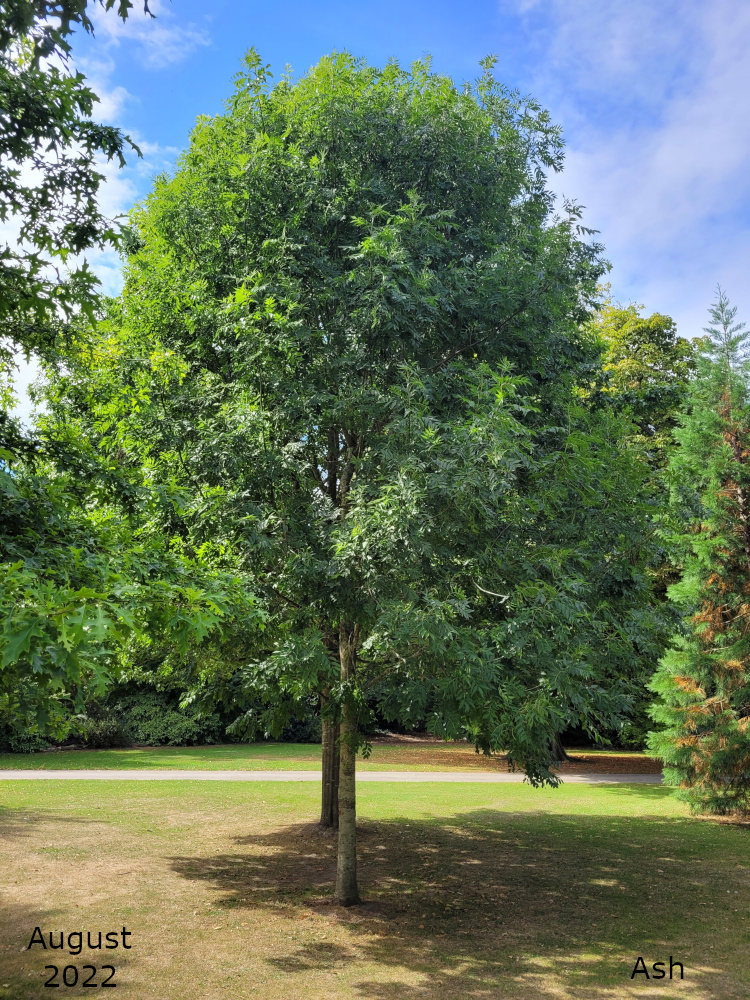
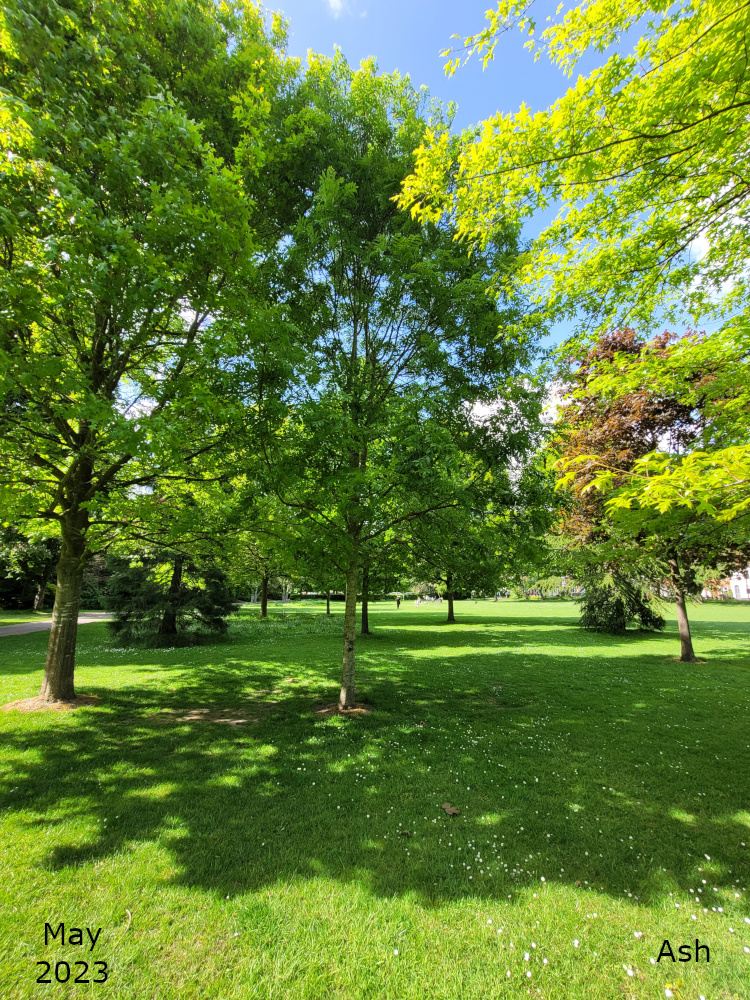
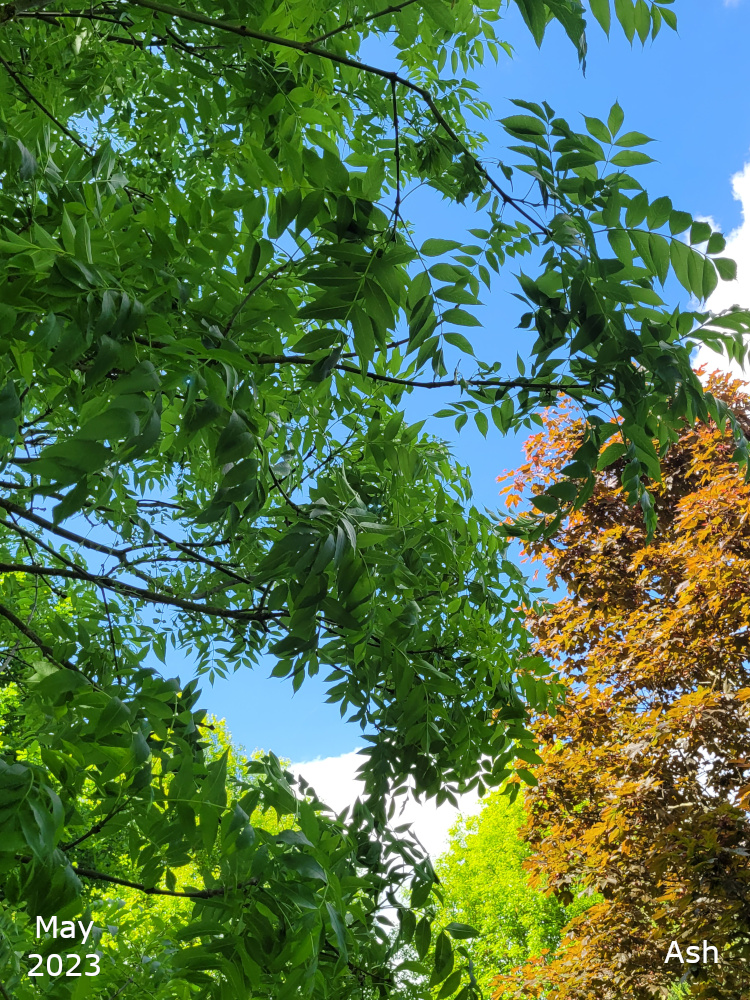
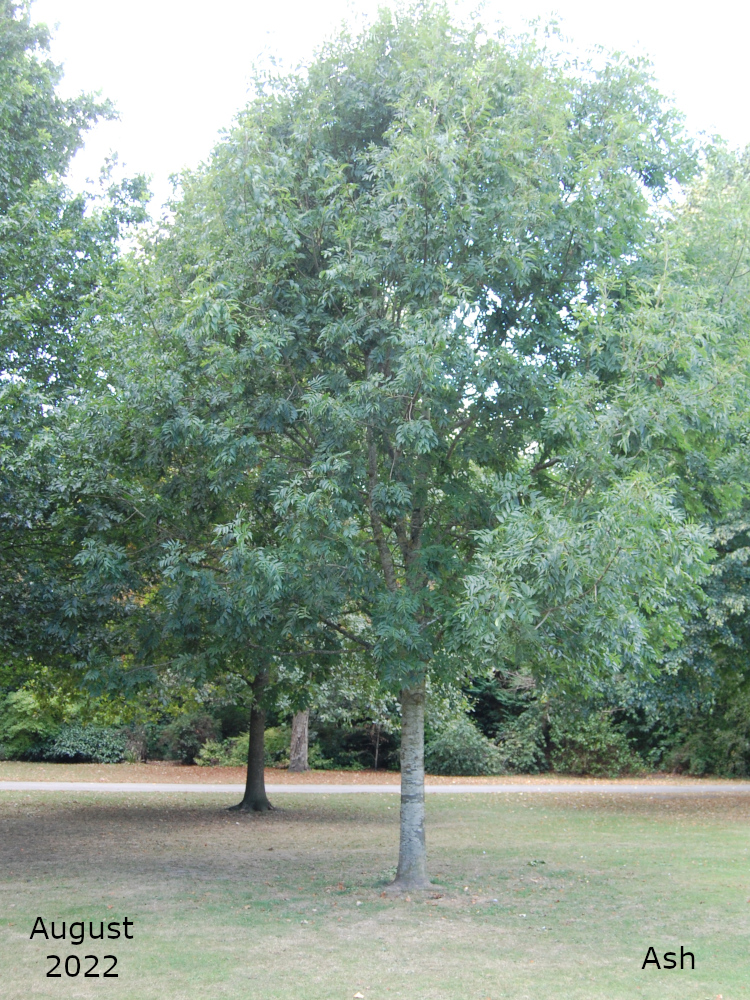
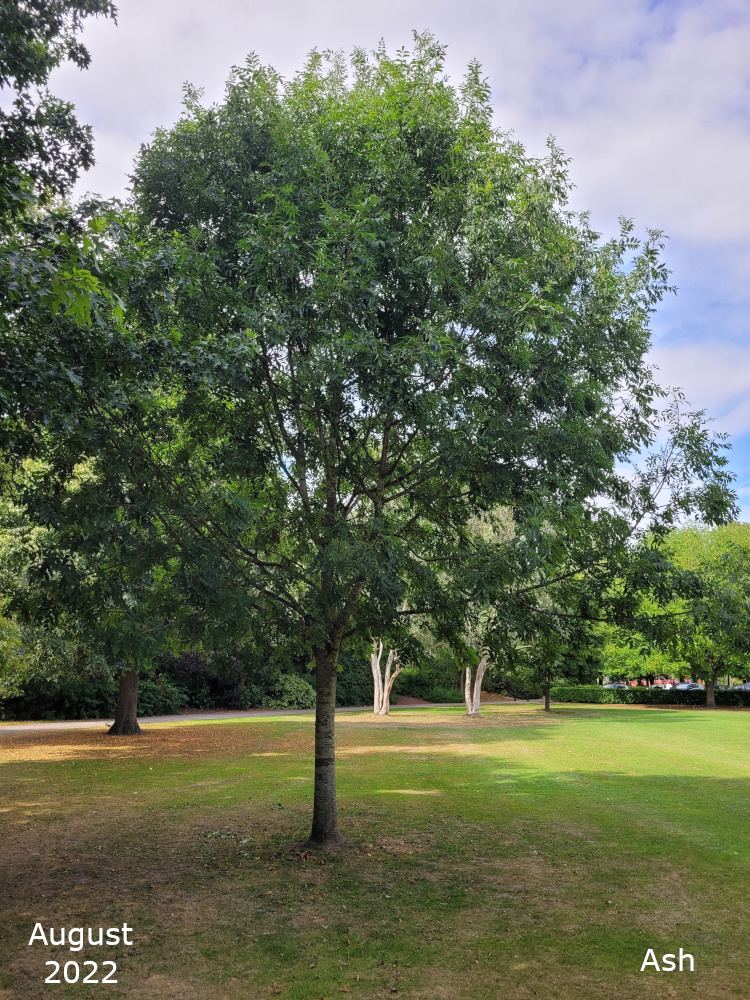
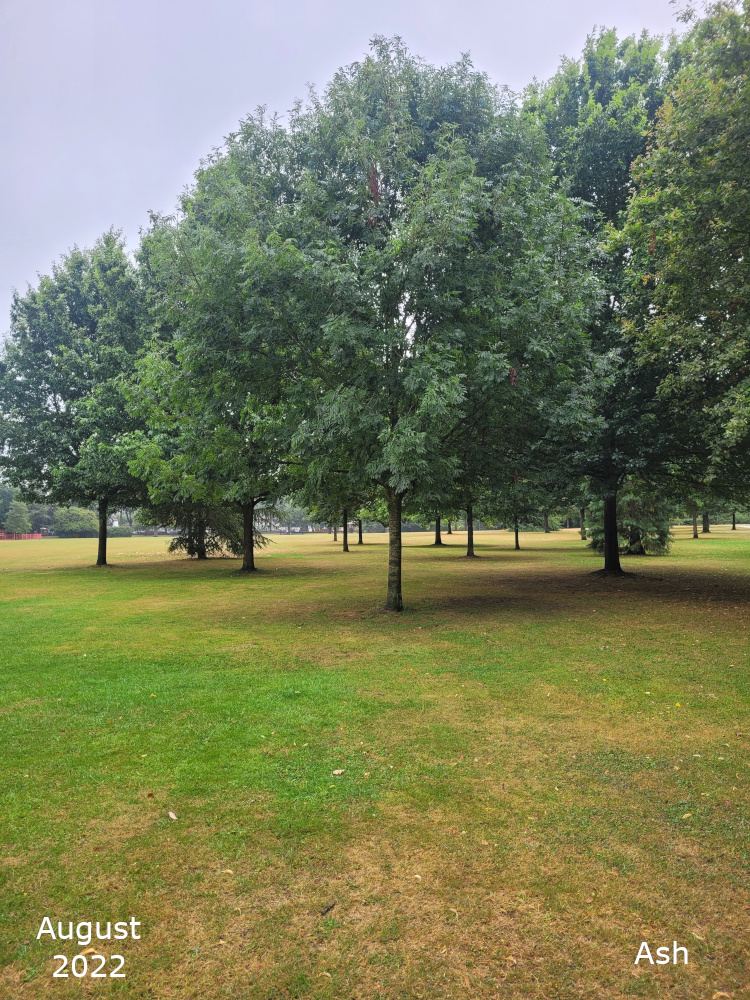
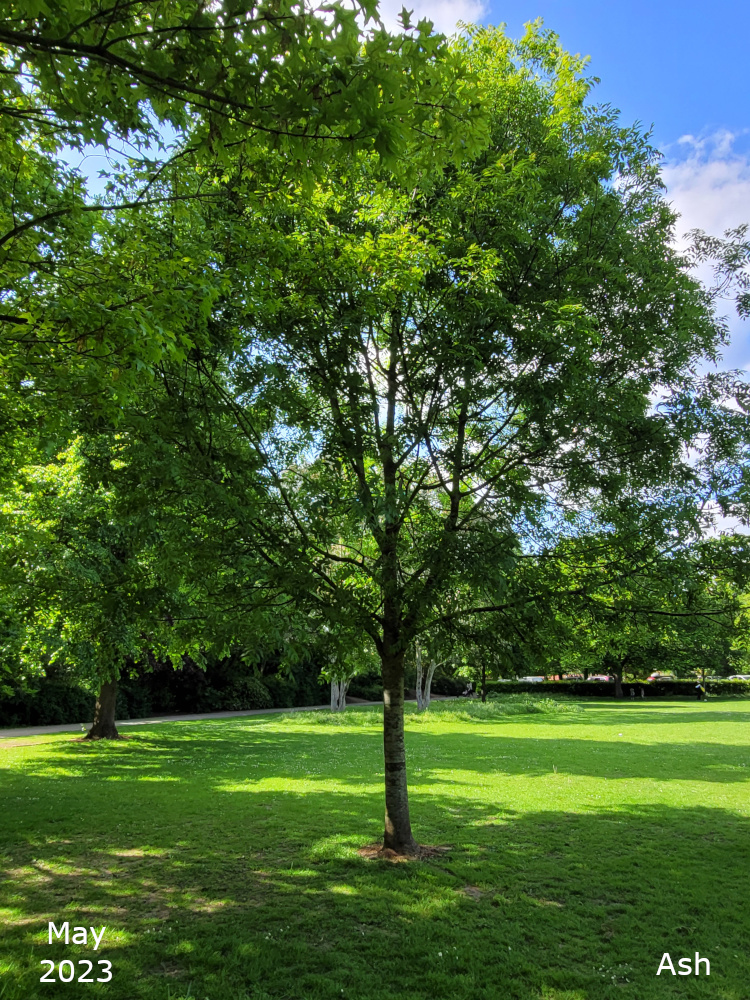
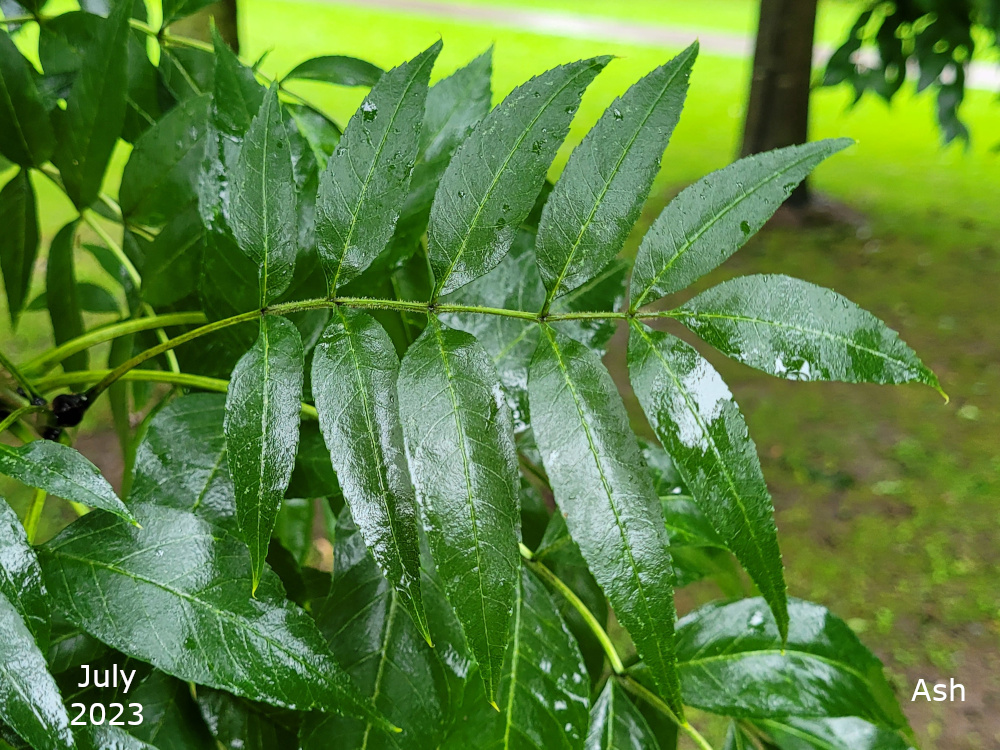
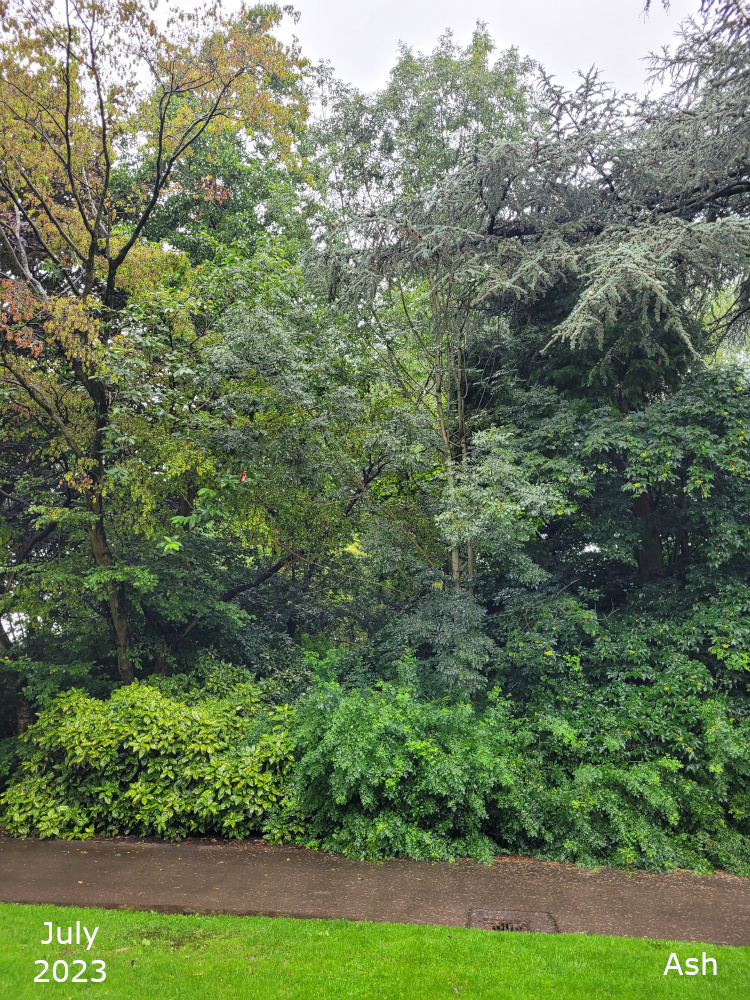
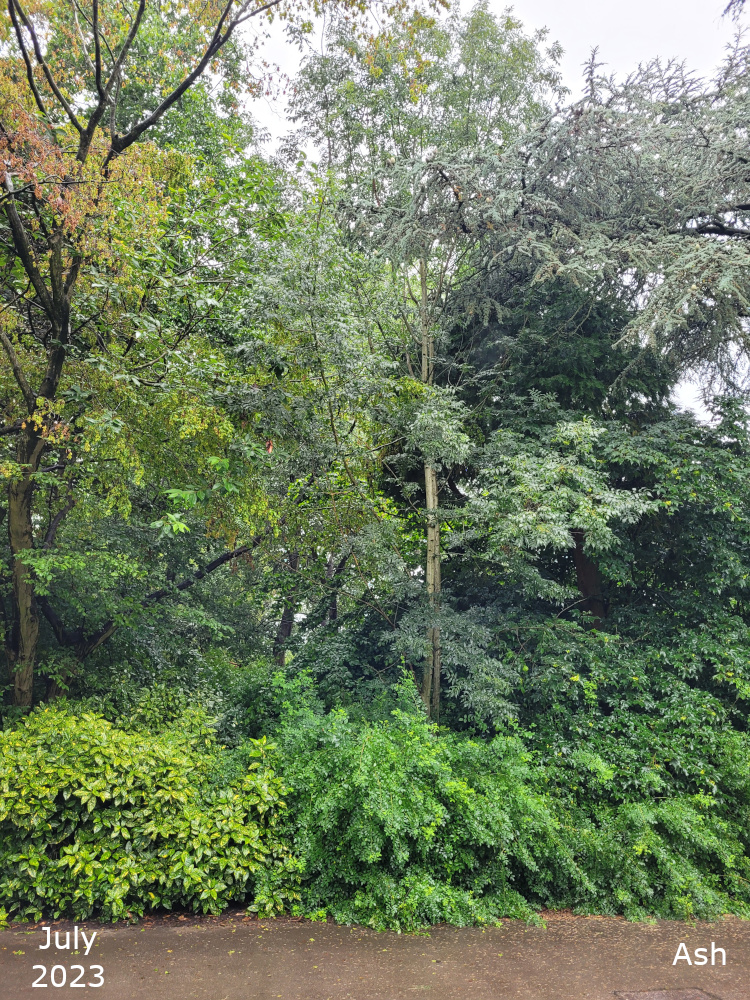
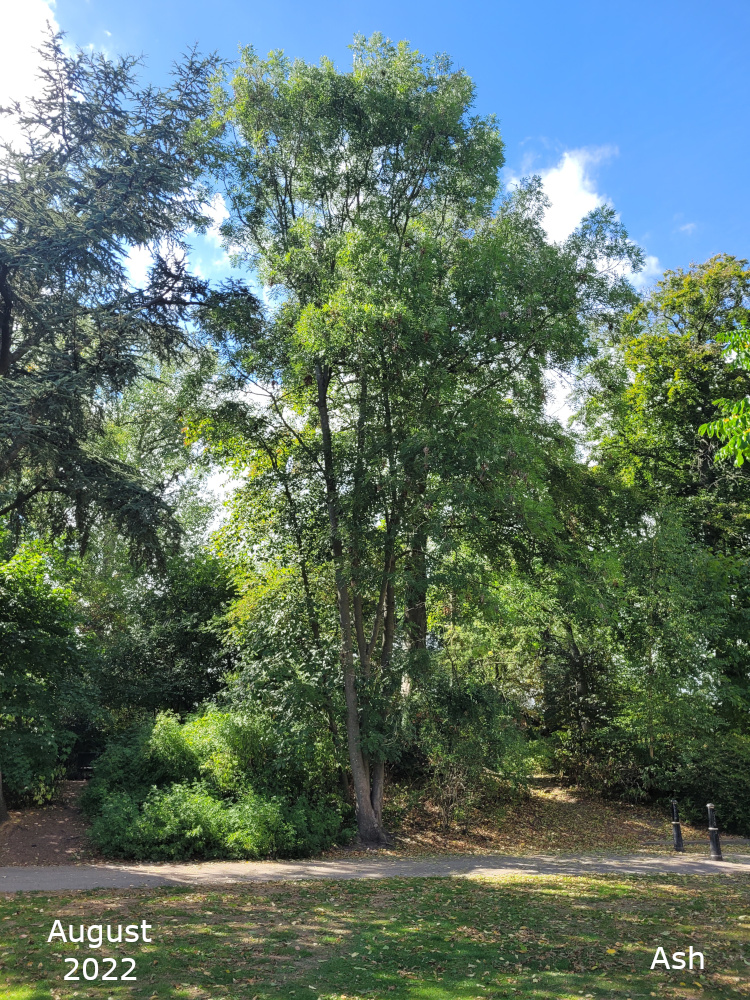
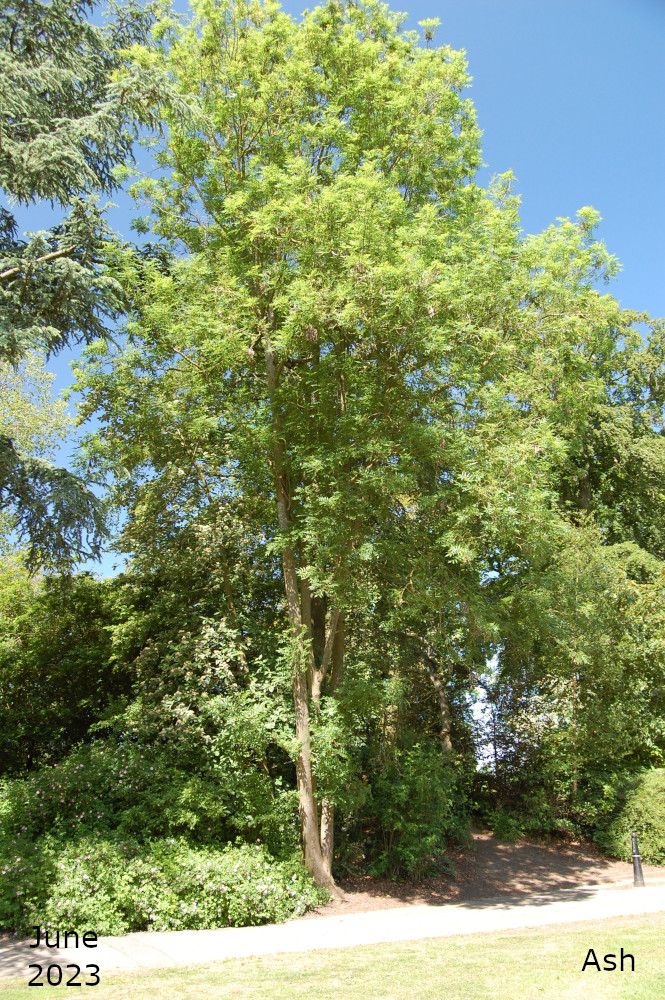
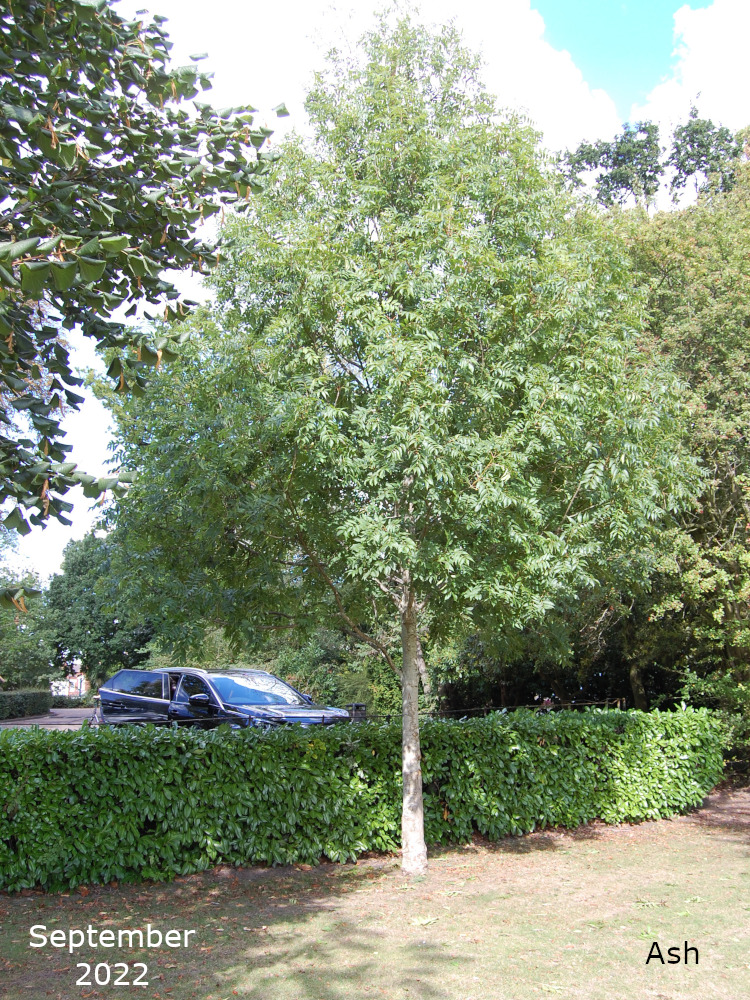
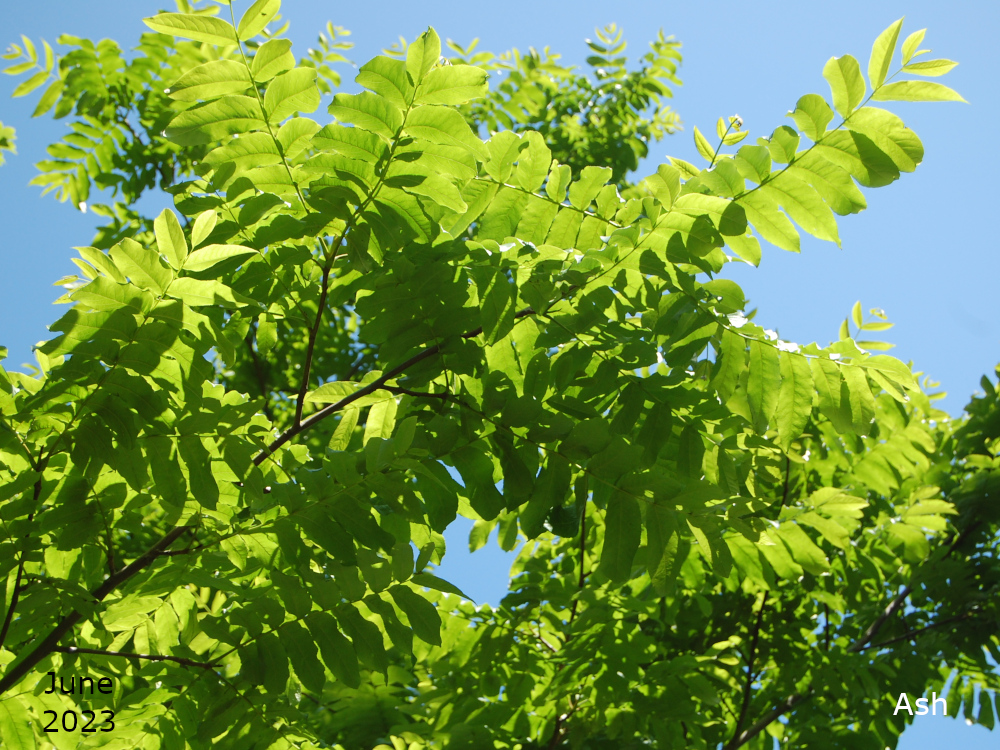
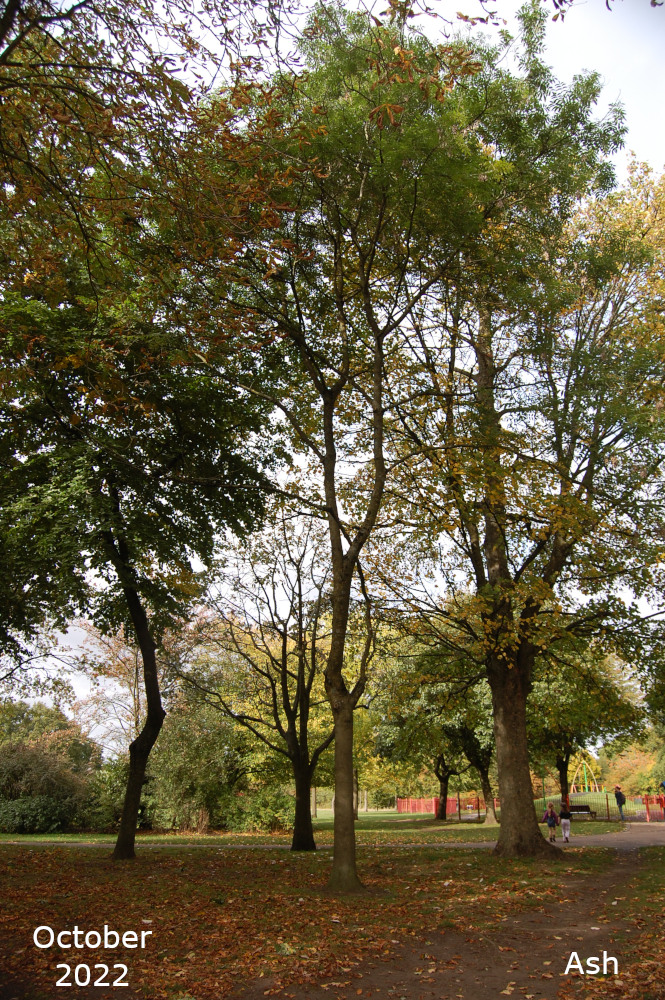
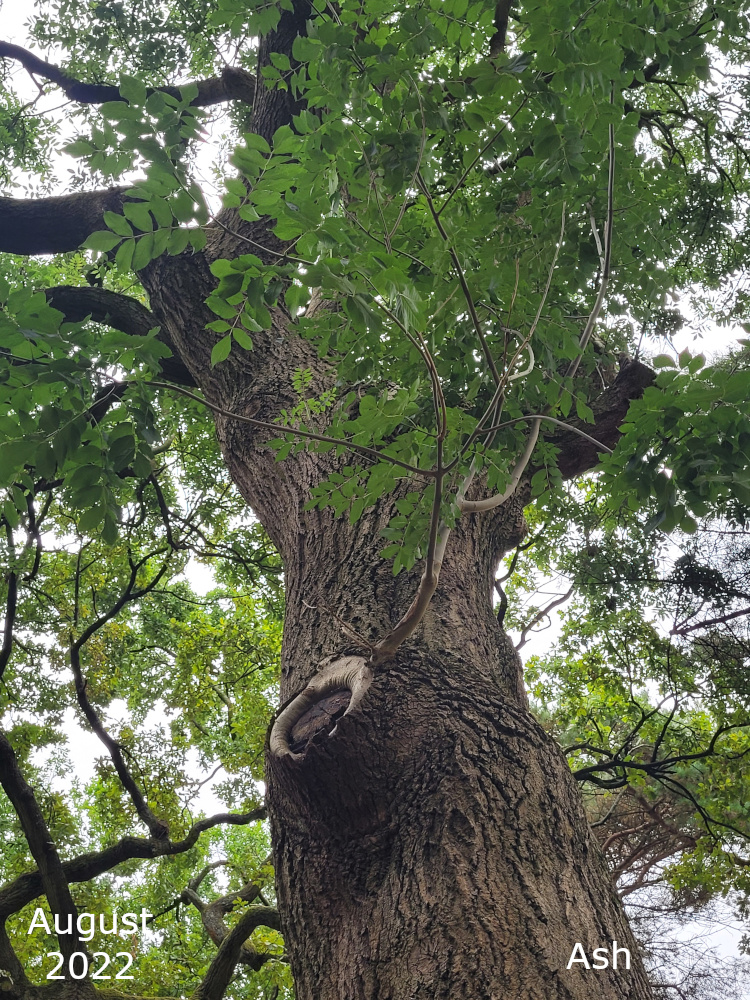
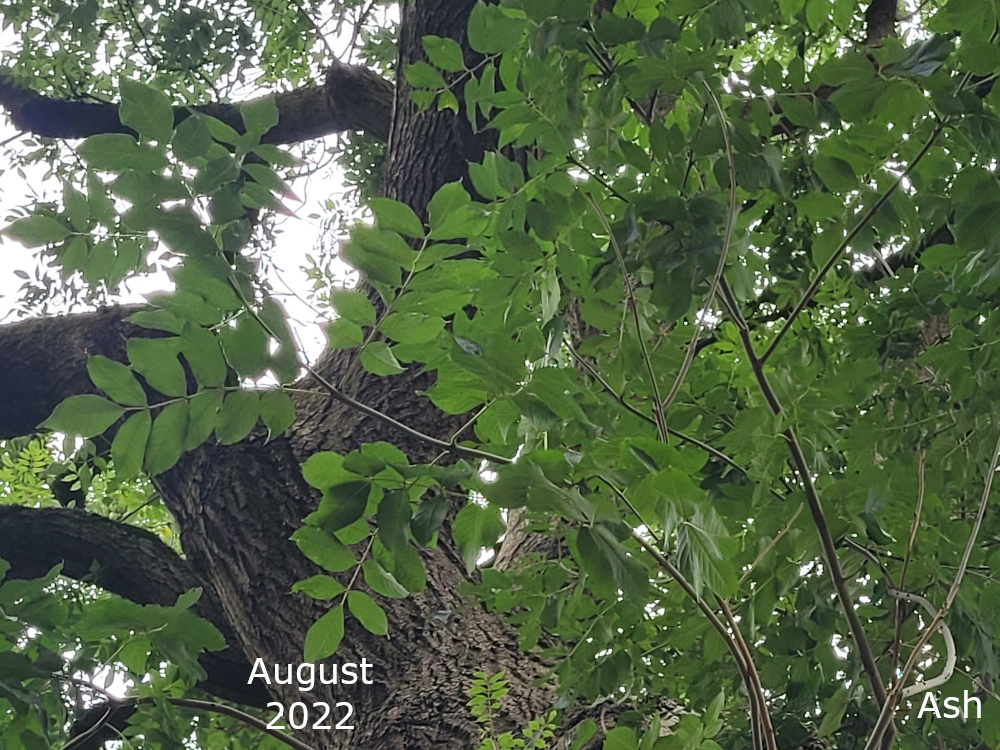
Next to the triangle, with the Manna ash, there are a bunch of trees across the path on the main field. Several of them are Ash trees. They are mostly small to medium sized trees and nothing out of the ordinary, in fact very typical of Ash trees. The bark on several of them is smooth and grey as they are still quite young. The bark becomes rougher and fissured as the trees get older. The leaves are pinnate – having multiple leaflets either side of a common stalk. This gives a feather like appearance and ‘pinna’ is Latin for feather. The leaflets are in opposite pairs with a single leaflet at the tip. They are elongated ovals, or lanceolate, with a pointed tip and have a toothed margin.
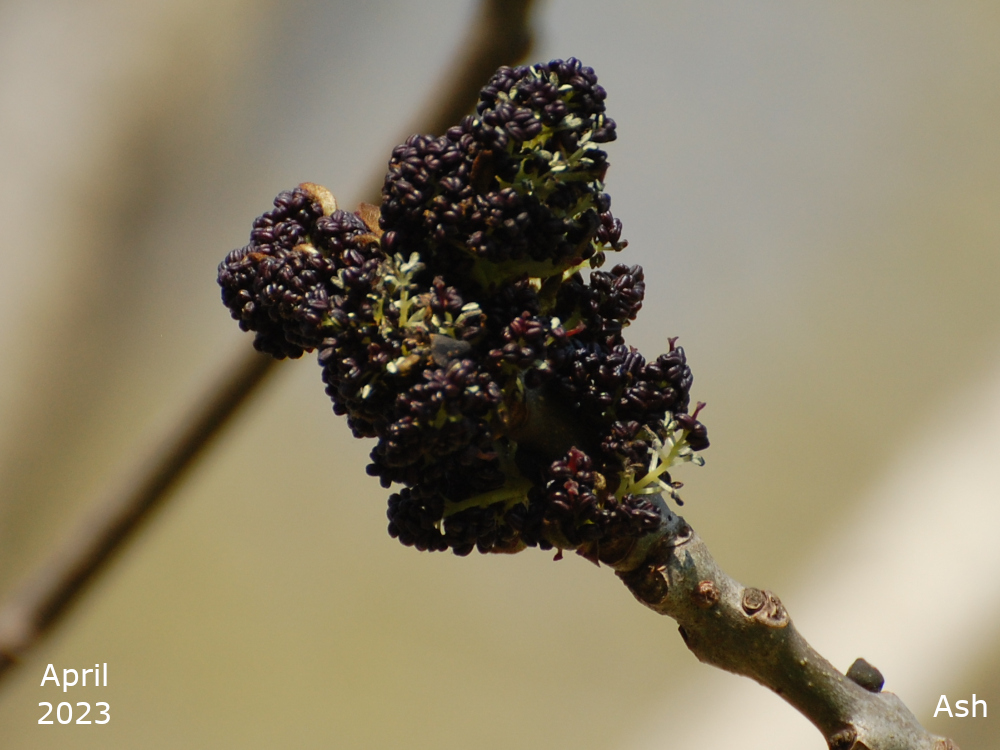
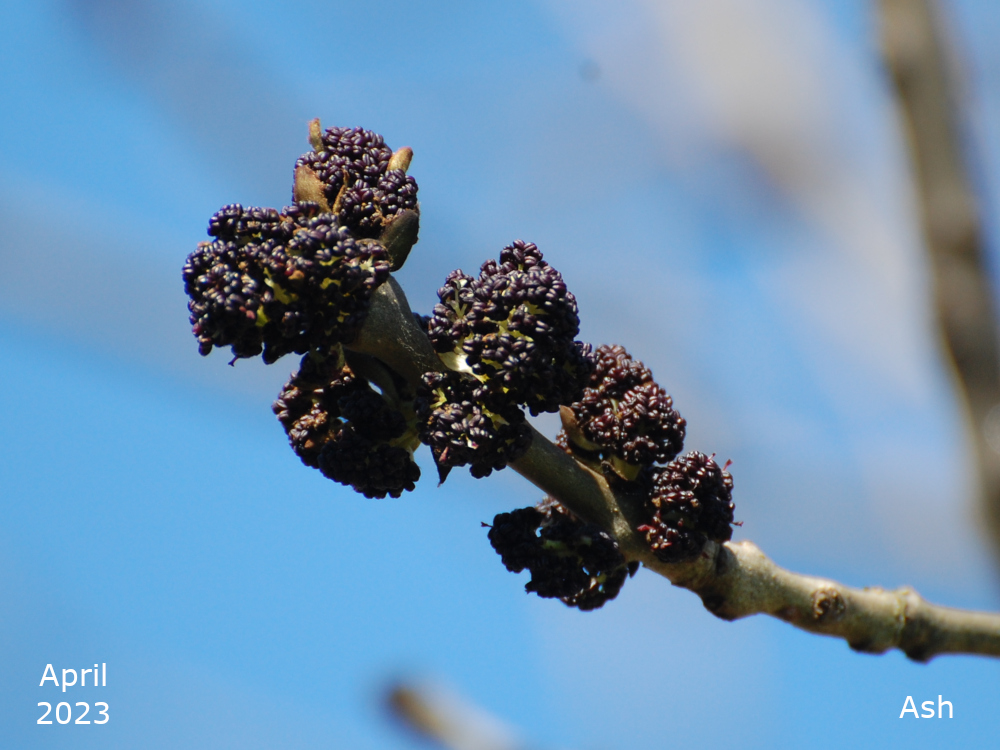
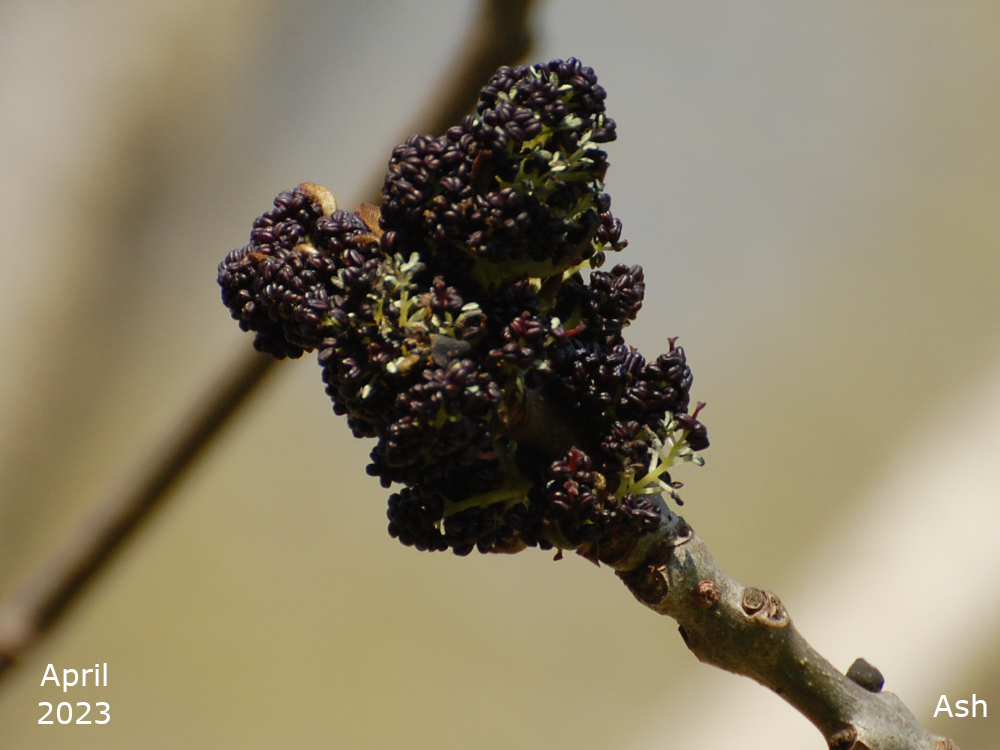
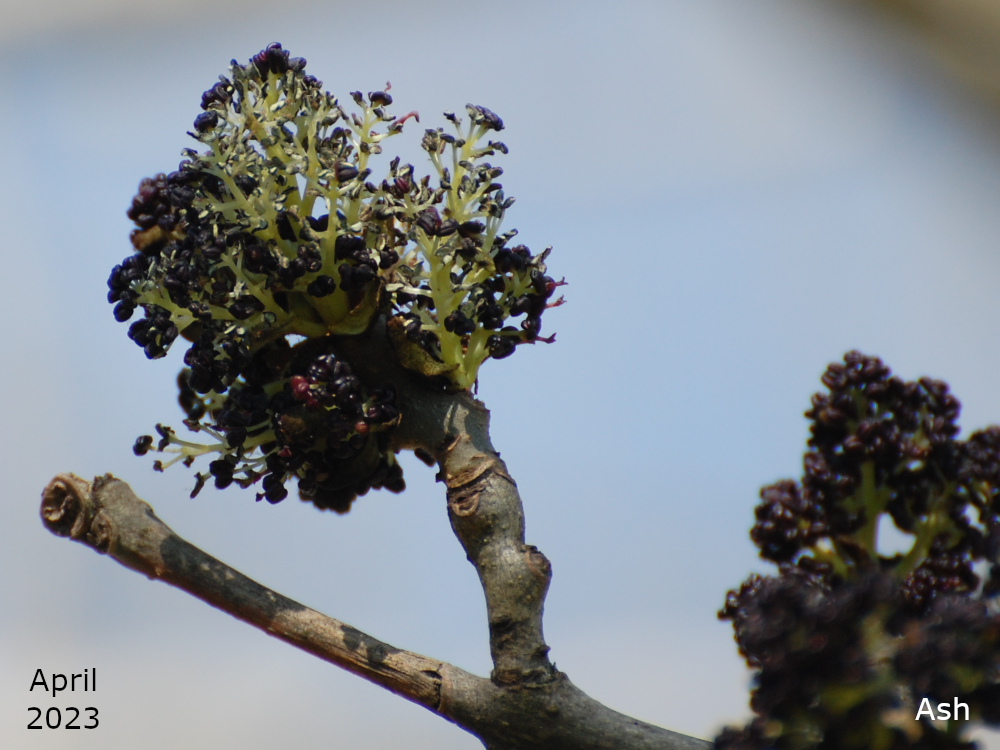
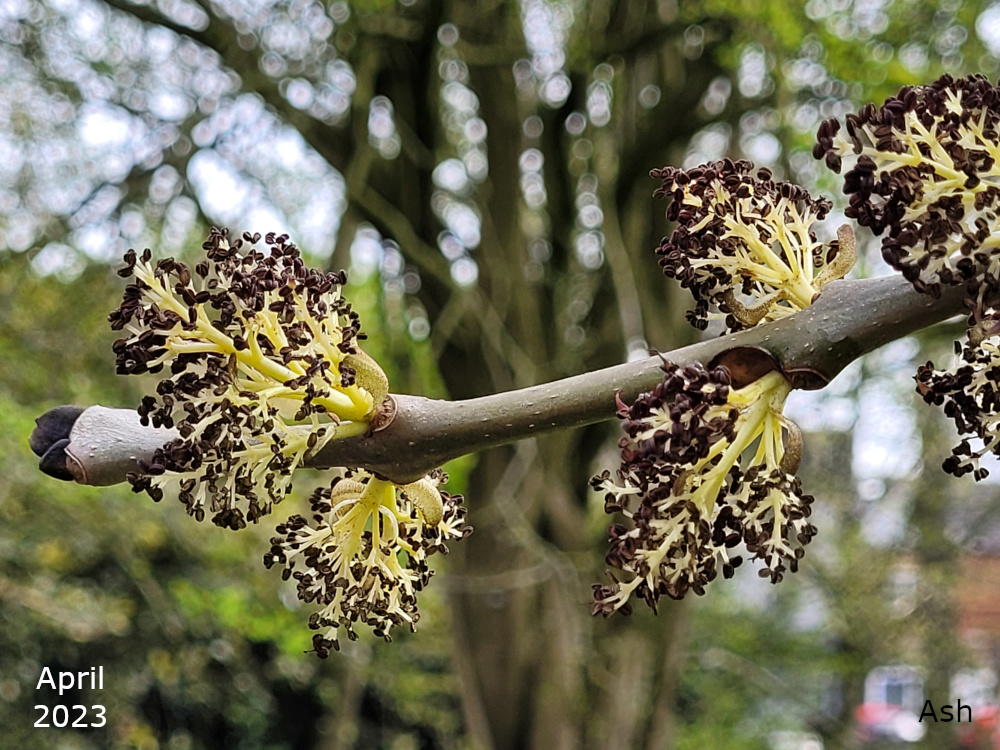
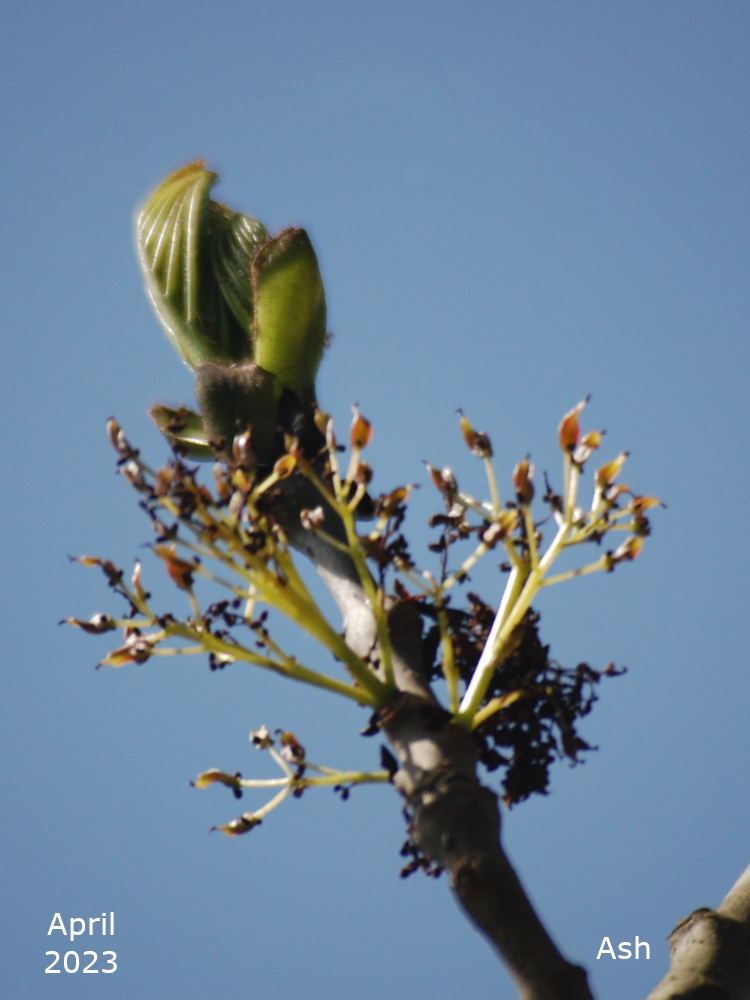
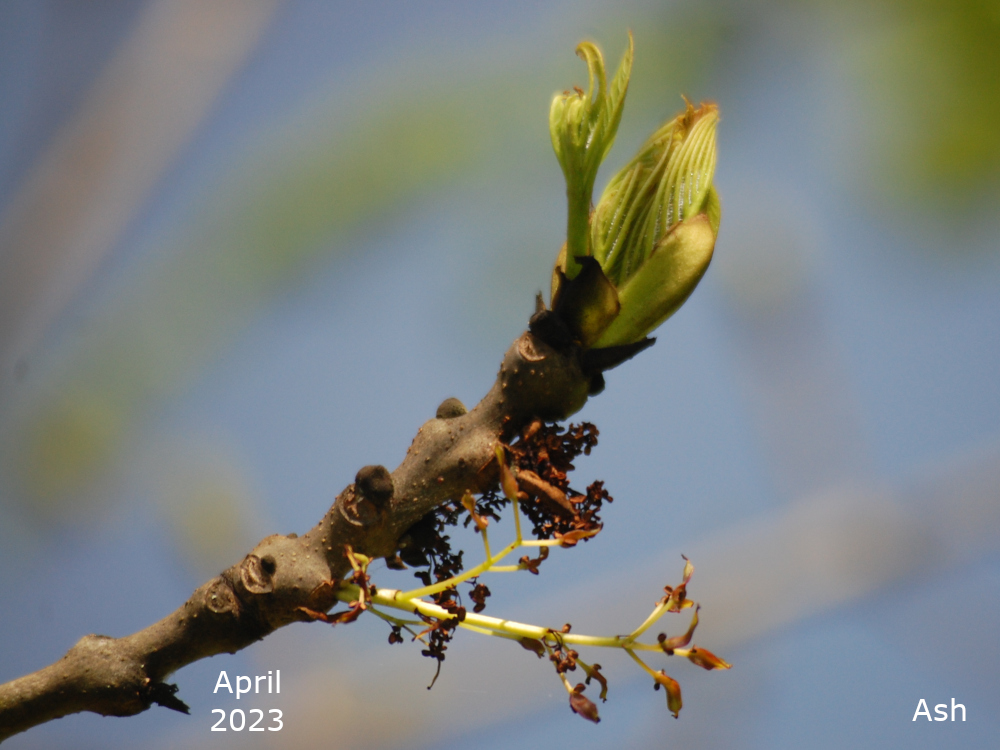
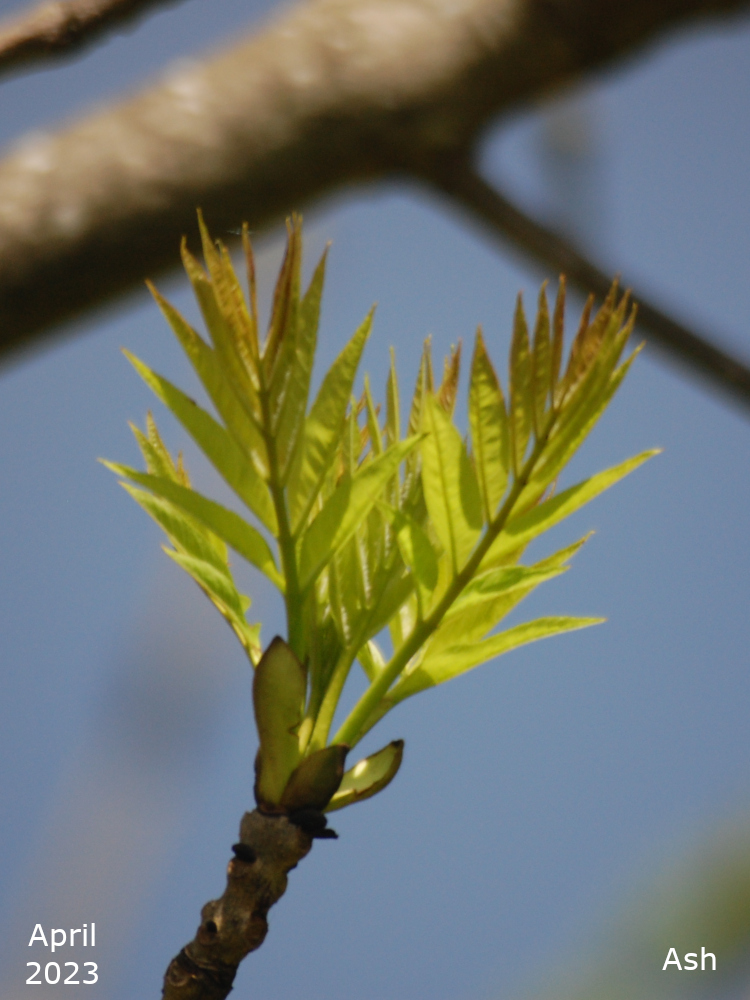
Ash trees tend to be dioecious, having male and female flowers on separate trees, so not all Ash trees will produce fruit which are single-winged samaras or ‘keys’. The male flower is rather strange and starts out as a purple cluster looking a little like a head of broccoli. These come out before the leaves and in some of the photos they can be seen next to the typical black leaf buds.
Car park
There are a nice group of trees in the area between Grange Road car park and the path. Two of them are Ash trees, both at the end near the barrier.


Muga
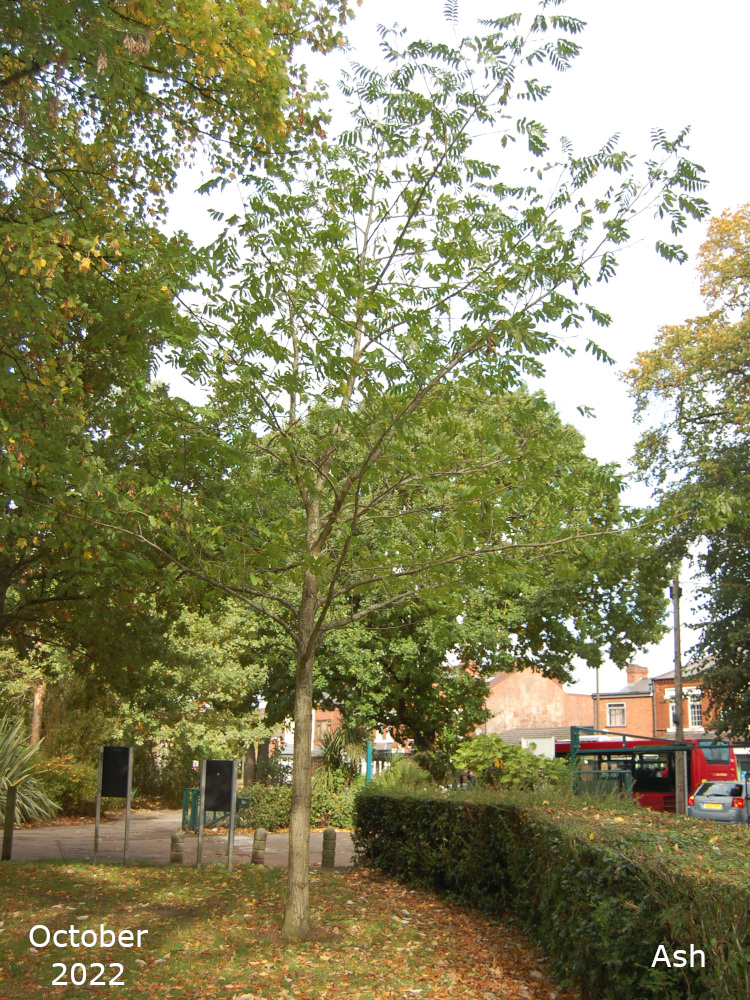
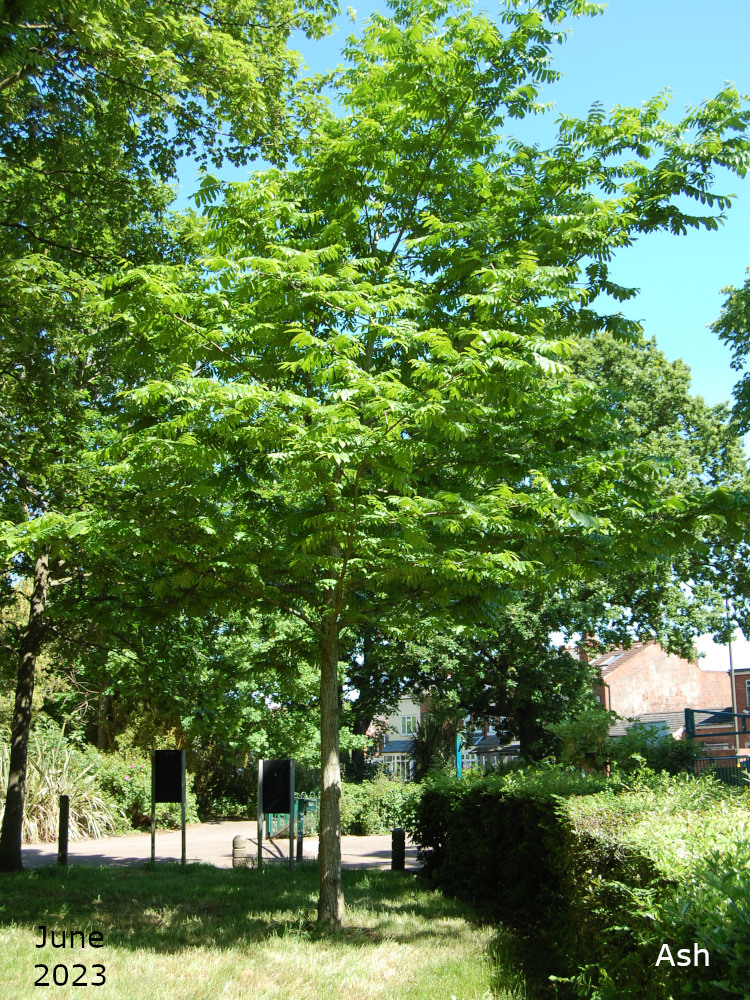
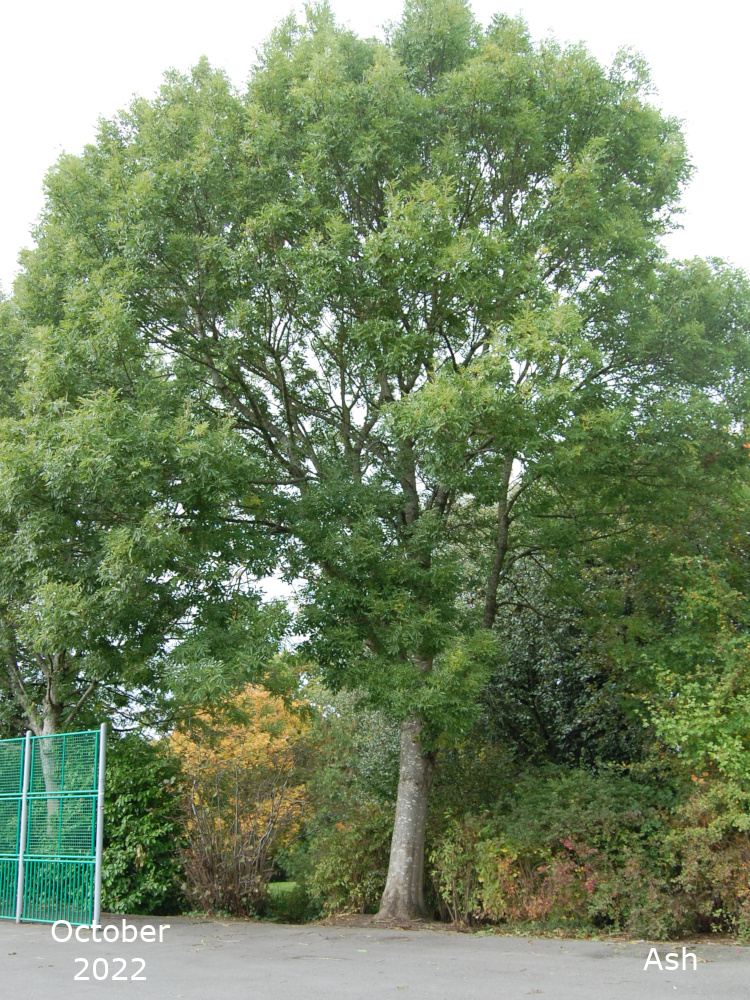
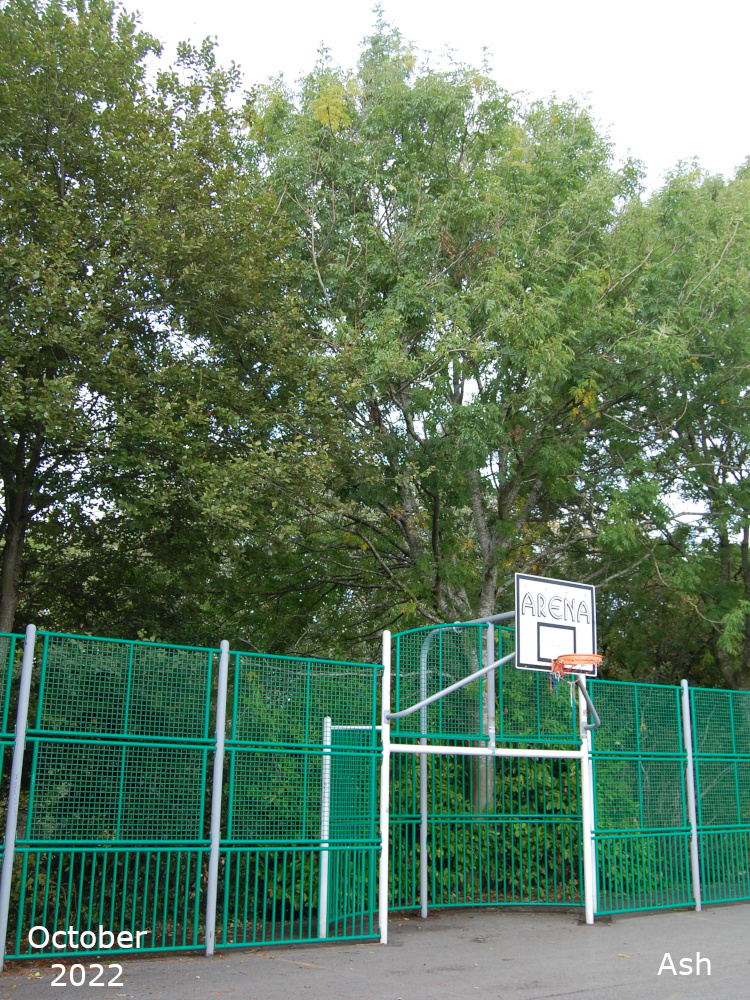
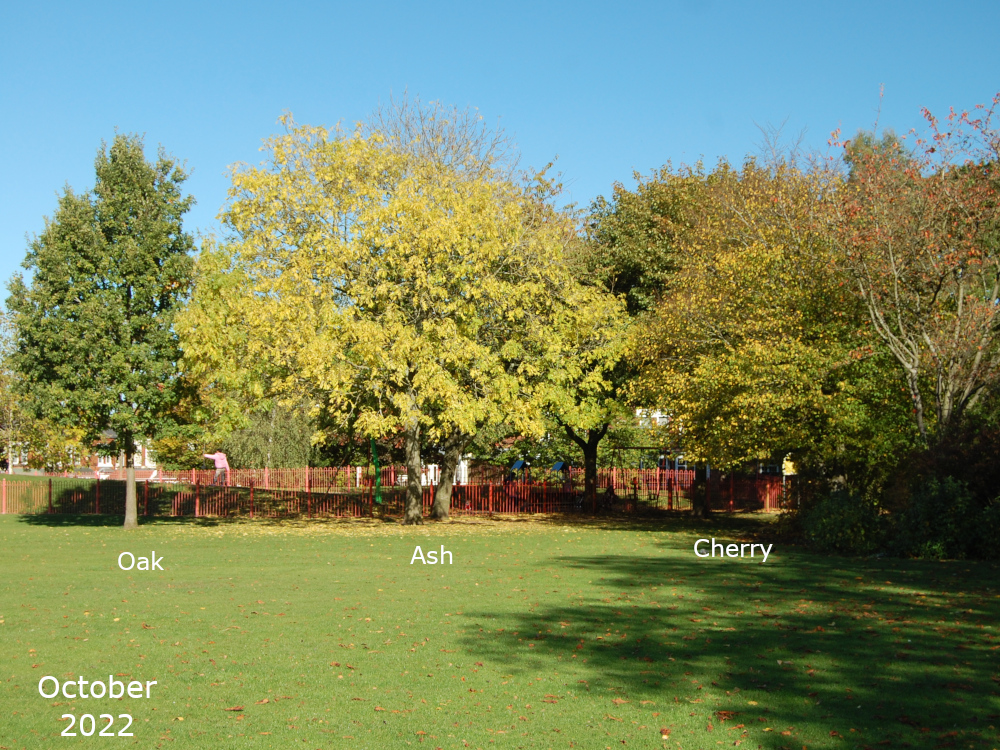
The Multi game area or muga has two ordinary Ash trees on one side of it and one of the Manna ash trees is on the field just outside the play area. On the other side of the field, at one end of the large playground, there is a medium sized ash tree in a group with a Cherry tree and a Wild service tree.




Large play area
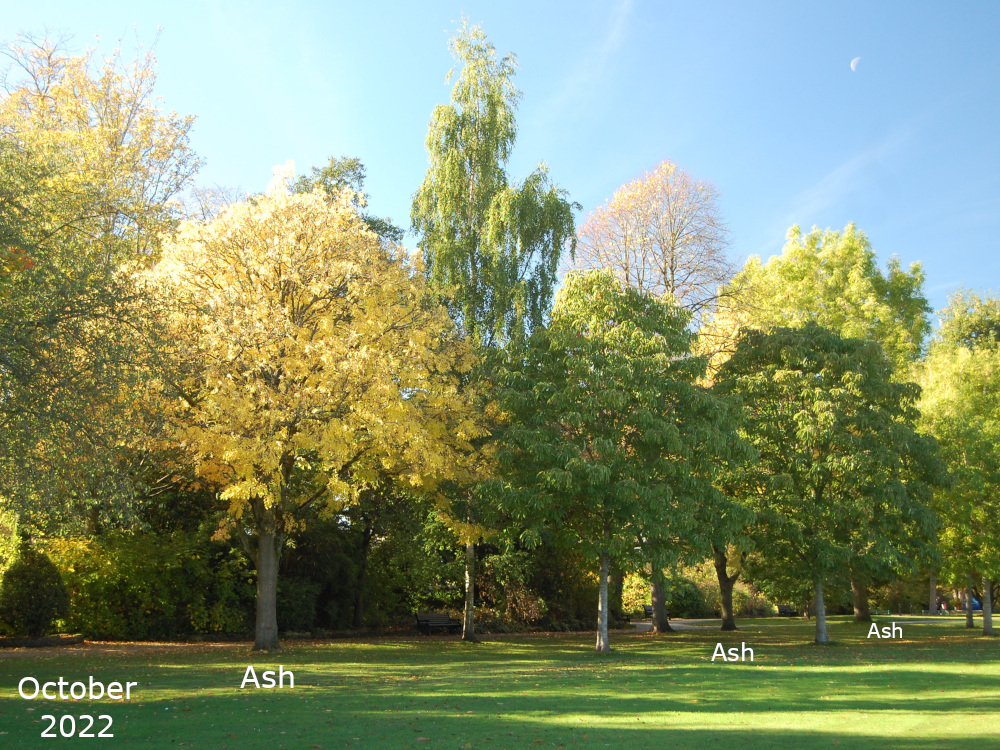
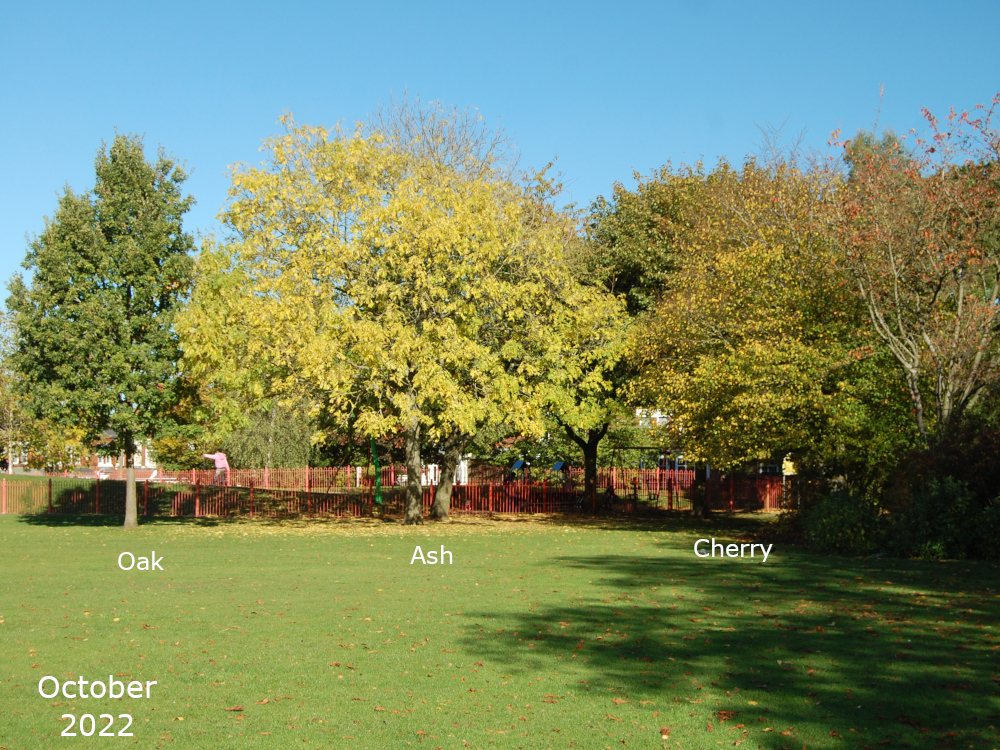
There are several Ash trees that are particularly good at turning a vibrant yellow in Autumn; this tree, near the entrance to the large play area is one of them.

Bottom of the park
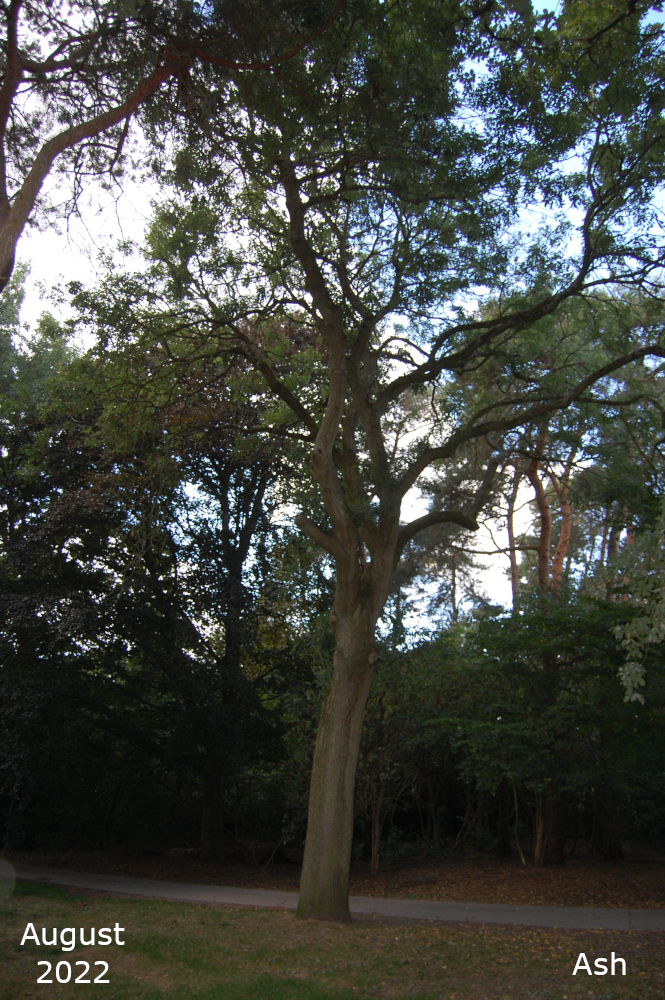
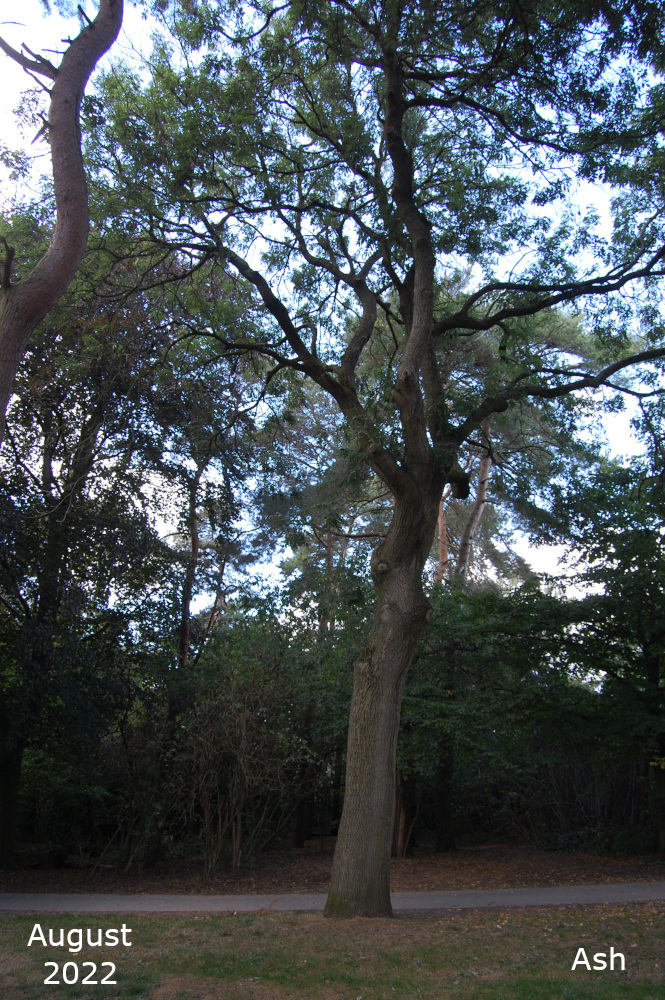
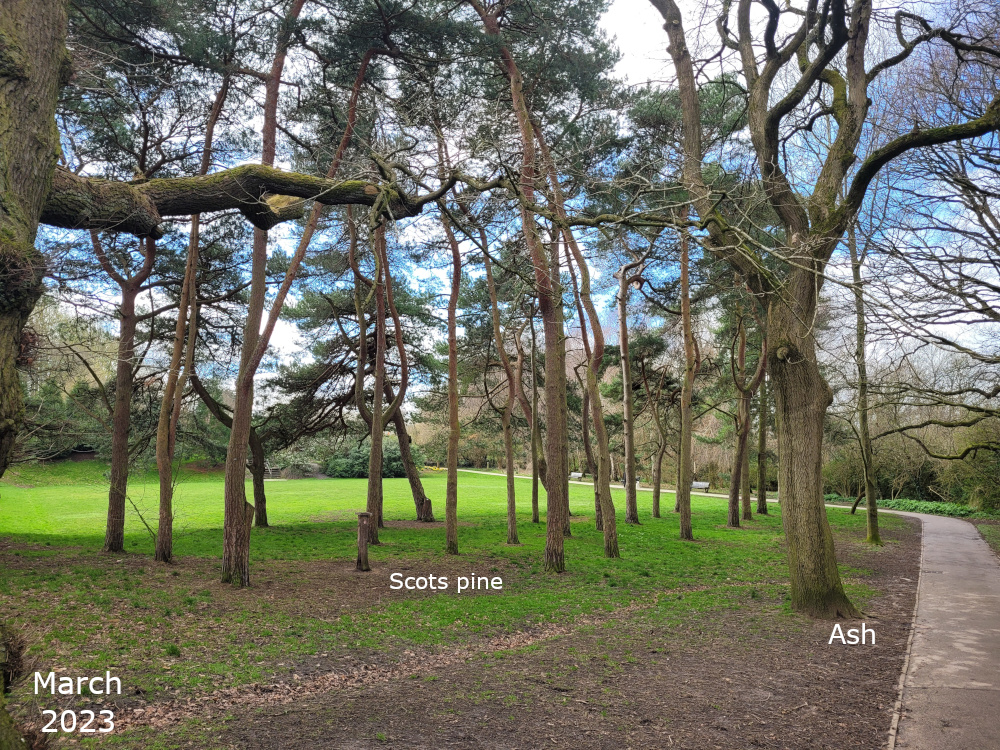
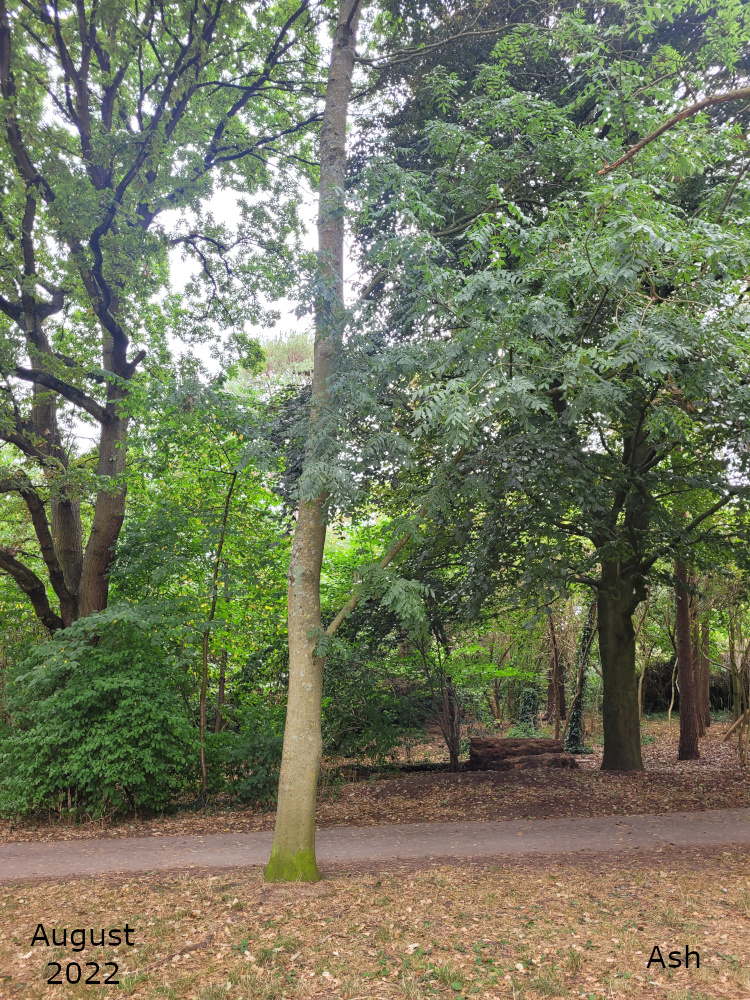
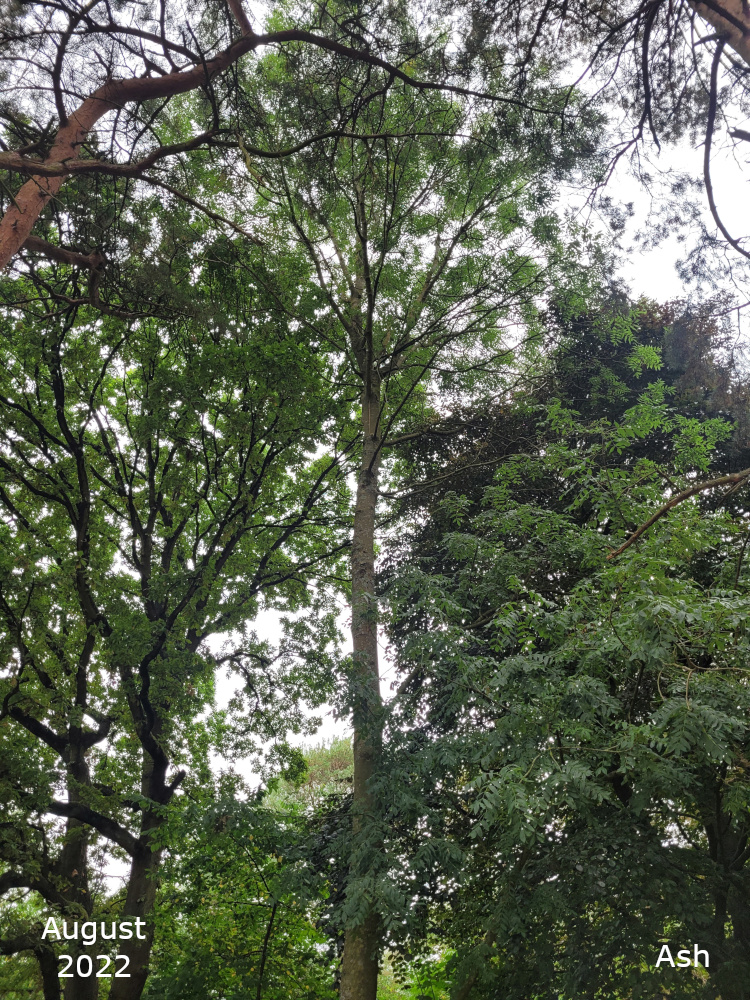
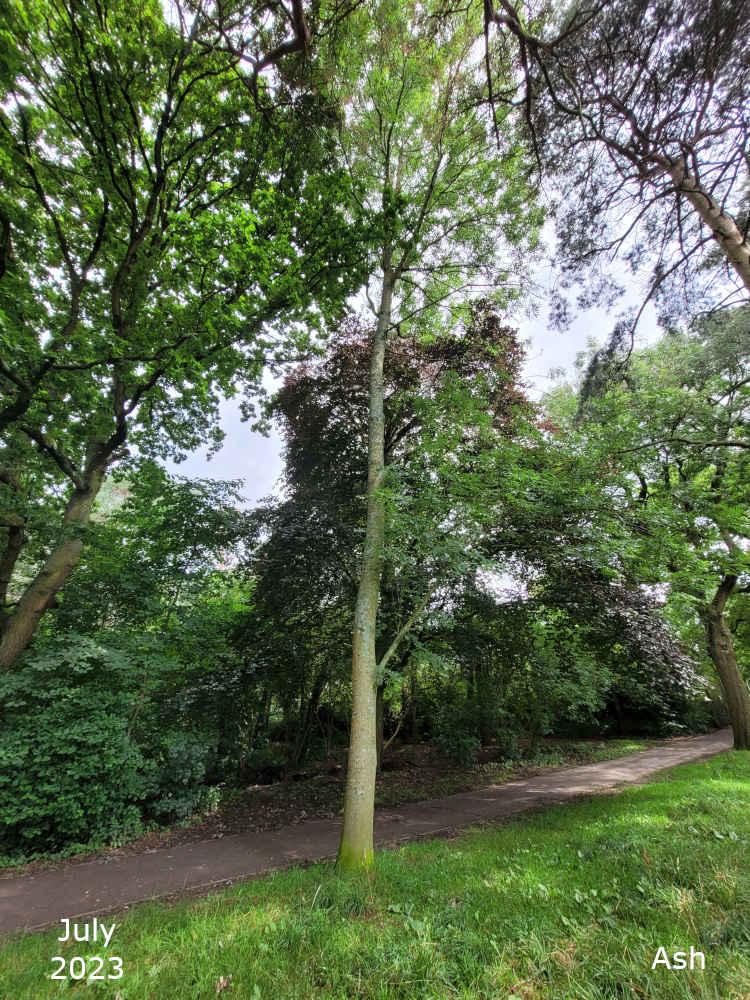
As you walk down the hill past the Thrive garden, on your right, you come to a small wooded area on your right and a whole load of Scots pine on the left. On the left of the path there is a large Ash tree and below that, another tall slender Ash tree.

 Kings Heath Park Trees